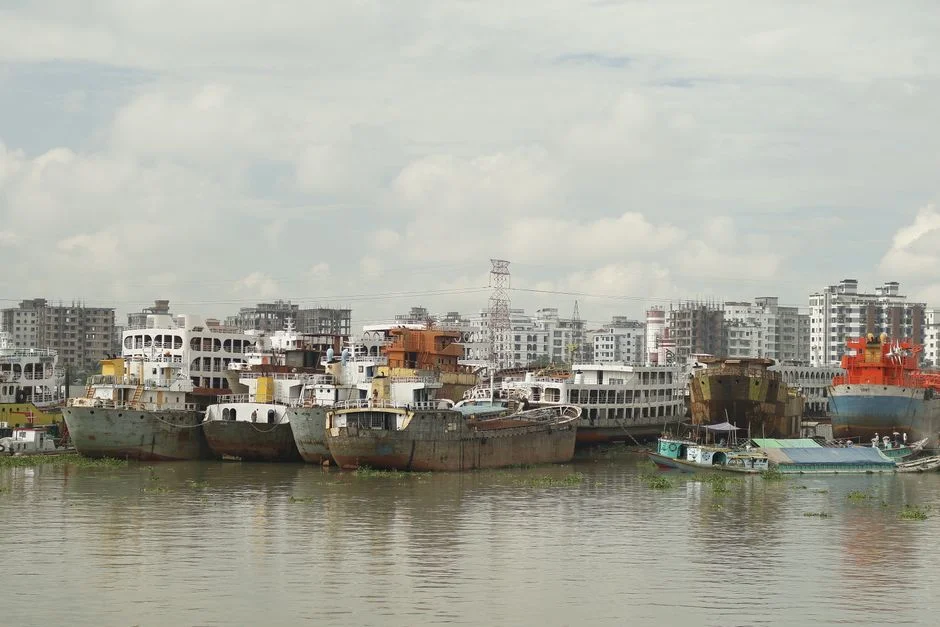
The Iranian government has declared the US blockade of its ports an 'act of war', escalating an already tense situation in the Middle East. This development, announced on 3rd November 2023, could have far-reaching implications for the region, including India, which maintains significant economic and strategic interests in the area.
Port Blockade: The Immediate Impact
The US blockade, aimed at curbing Iran's ability to trade with the rest of the world, has led to immediate repercussions. The Strait of Hormuz, a crucial channel for global oil supply, has seen increased military activity, raising concerns about potential disruptions to oil exports. Approximately 20% of the world's petroleum passes through this strait, making it a critical point of interest for countries dependent on oil imports, including India.
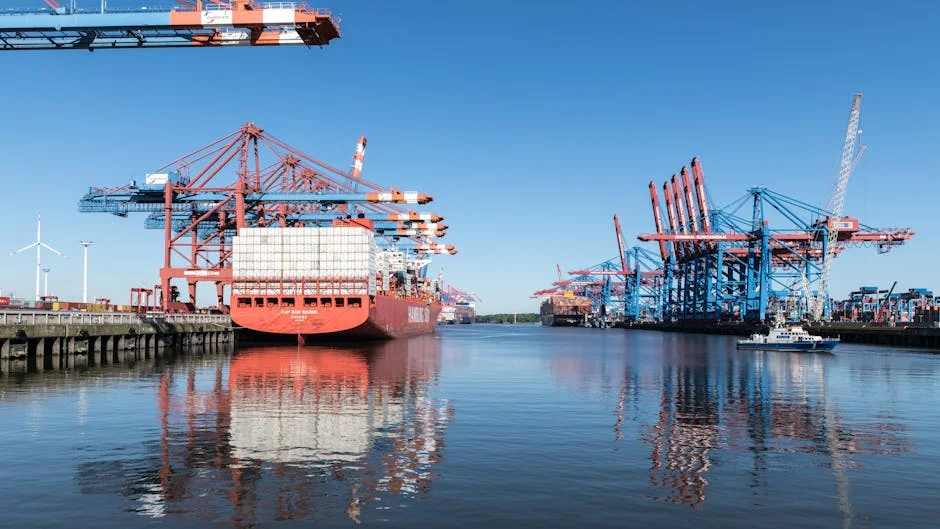
The Iranian Foreign Ministry, led by Foreign Minister Hossein Amir-Abdollahian, has condemned the blockade, calling it a violation of international law. The ministry has also appealed to the United Nations for intervention, highlighting the potential for regional instability.
Impact on Indian Communities
For India, which imports a significant portion of its oil from the Middle East, the situation presents economic challenges. Rising oil prices could lead to increased costs for businesses and consumers, affecting everything from transportation to manufacturing. The Indian government is closely monitoring the situation, with the Ministry of External Affairs urging for diplomatic solutions to prevent further escalation.
In addition to economic concerns, there are potential social impacts. Indian nationals living and working in the Gulf region could face uncertainties regarding their employment and safety. The Indian diaspora forms a substantial part of the workforce in countries like the United Arab Emirates and Saudi Arabia, both of which could be indirectly affected by the blockade.
Israel's Military Disciplinary Actions
In a separate but related development, the Israeli Defence Forces (IDF) have taken disciplinary action against soldiers involved in the desecration of a crucifix. This incident has drawn criticism from both Christian communities and international observers, compounding the tension in the region.
The IDF stated that it is committed to respecting all religious symbols, and the soldiers involved have been reprimanded. This incident, while seemingly isolated, adds another layer of complexity to Israel's current geopolitical challenges.
Regional and Global Reactions
Reactions from other regional players have been varied. Saudi Arabia, a key US ally in the region, has expressed support for measures against Iran but has urged caution to avoid further destabilisation. Meanwhile, Russia and China have criticised the US actions, calling for dialogue and negotiation.
Globally, the situation has prompted a mixed response. The European Union has called for restraint and emphasised the need for diplomatic engagement. The United Nations Security Council is expected to hold an emergency session to address the escalating tensions.
What to Watch Next
As the situation develops, several key factors will be crucial to monitor. The outcome of the UN Security Council meeting could influence future diplomatic efforts. Additionally, any further military escalations in the Strait of Hormuz could significantly impact global oil markets, with direct consequences for India and other importing nations.
Indian policymakers will need to remain vigilant, both in terms of economic strategy and in safeguarding the interests of Indian nationals in the Middle East. The next few weeks will be critical in determining whether the region moves towards conflict or finds a path to de-escalation.
See Also
- Tunisia's Leading Anti-Racism Activist Jailed for Eight Years
- Jaishankar meets Iranian Minister Araghchi: What the talks mean for India
Additionally, any further military escalations in the Strait of Hormuz could significantly impact global oil markets, with direct consequences for India and other importing nations.Indian policymakers will need to remain vigilant, both in terms of economic strategy and in safeguarding the interests of Indian nationals in the Middle East. The United Nations Security Council is expected to hold an emergency session to address the escalating tensions.What to Watch NextAs the situation develops, several key factors will be crucial to monitor.