In the latest development, US President Donald Trump has extended a ceasefire with Iran even as unidentified ships were attacked in the Gulf, impacting the vital maritime routes crucial for regional commerce. On 15th October 2023, attacks were reported on two cargo ships near the Strait of Hormuz, a key channel through which about 20% of the world's oil passes. This comes amid ongoing diplomatic efforts to ease tensions between the United States and Iran.
Impact on Local Economies
The recent attacks have heightened fears among local communities and businesses dependent on the Gulf's shipping lanes for their livelihood. The disruption of maritime activities could lead to increased costs and delays in goods, particularly affecting the coastal regions of the United Arab Emirates and Saudi Arabia. The potential increase in oil prices also looms large, directly impacting fuel costs in nearby regions.
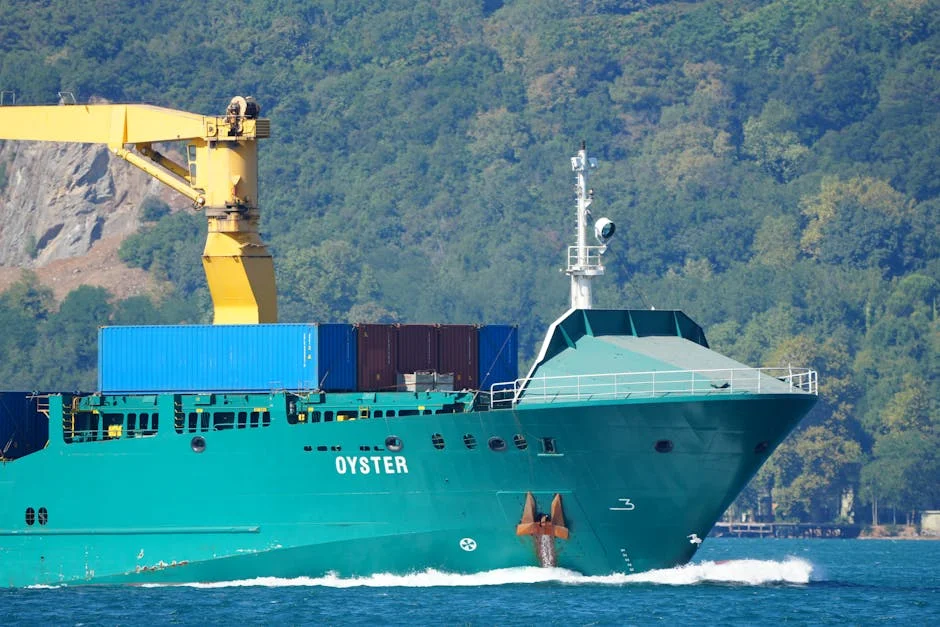
Local traders in cities such as Dubai and Abu Dhabi have expressed concerns over the volatility in shipping routes. "Any disruption can greatly affect our operations," said Ahmed Al-Mansoori, a logistics company manager based in Dubai. The sentiment is shared by many in the region who rely on the smooth functioning of oil and goods transport for economic stability.
Historical Context and Tensions
The Gulf has long been a hotspot for geopolitical tensions. The recent incidents are reminiscent of past confrontations, including the tanker incidents in 2019 that escalated regional tensions. Trump's decision to extend the ceasefire aims to provide a diplomatic window for negotiation, though the current attacks pose a significant challenge.
The British government has also expressed concern, urging for restraint from all parties involved. Britain's Foreign Secretary highlighted the importance of maintaining free and safe passage through the Gulf waters, which are vital to international trade.
Community Response and Preparedness
Communities in the affected regions are taking steps to mitigate the impact of potential disruptions. Local governments are reportedly enhancing security measures to protect key infrastructure and ensure the safety of shipping lanes. Businesses are being advised to review contingency plans to manage delays and increased insurance costs.
"We are working closely with regional partners to ensure that disruptions are minimised," stated a spokesperson from the Dubai Chamber of Commerce. The emphasis is on collaboration and preparedness to navigate the uncertain waters of Gulf geopolitics.
Next Steps and What to Watch
Moving forward, the extension of the ceasefire by Trump provides a crucial period for diplomatic engagement. The coming weeks will be pivotal as stakeholders from the US, Iran, and Gulf countries work towards de-escalating the situation. Observers will keep a close eye on any further attacks and the response from global oil markets.
Key developments to watch include the outcome of any renewed negotiations between the US and Iran, as well as the potential implementation of additional security measures in the Gulf. The regional and global communities will be watching closely, hoping for a resolution that ensures the stability of the Gulf's critical shipping lanes.
See Also
- George Bennett passes away: A staggering loss for Production in India
- Cindy Norcott Launches Women's Leadership Initiative in Mumbai
Britain's Foreign Secretary highlighted the importance of maintaining free and safe passage through the Gulf waters, which are vital to international trade.Community Response and PreparednessCommunities in the affected regions are taking steps to mitigate the impact of potential disruptions. Trump's decision to extend the ceasefire aims to provide a diplomatic window for negotiation, though the current attacks pose a significant challenge.The British government has also expressed concern, urging for restraint from all parties involved.