A 7.4-magnitude earthquake struck off Japan’s northeast coast on Tuesday, triggering a tsunami warning that has left coastal communities on high alert. The quake, which hit at 12:35 PM local time, was felt across the region, including in Fukushima, a city still recovering from the 2011 nuclear disaster. The Japan Meteorological Agency (JMA) issued a tsunami warning for the Pacific coast, urging residents to evacuate to higher ground.
Immediate Impact on Coastal Communities
Residents in coastal towns like Sendai and Ishinomaki were quickly evacuated as waves of up to 2 meters were predicted. Local authorities in Miyagi Prefecture, which was heavily affected by the 2011 earthquake and tsunami, activated emergency protocols. "We are monitoring the situation closely and urging people to stay calm," said Masahiro Kato, a spokesperson for the Miyagi Prefectural Government.
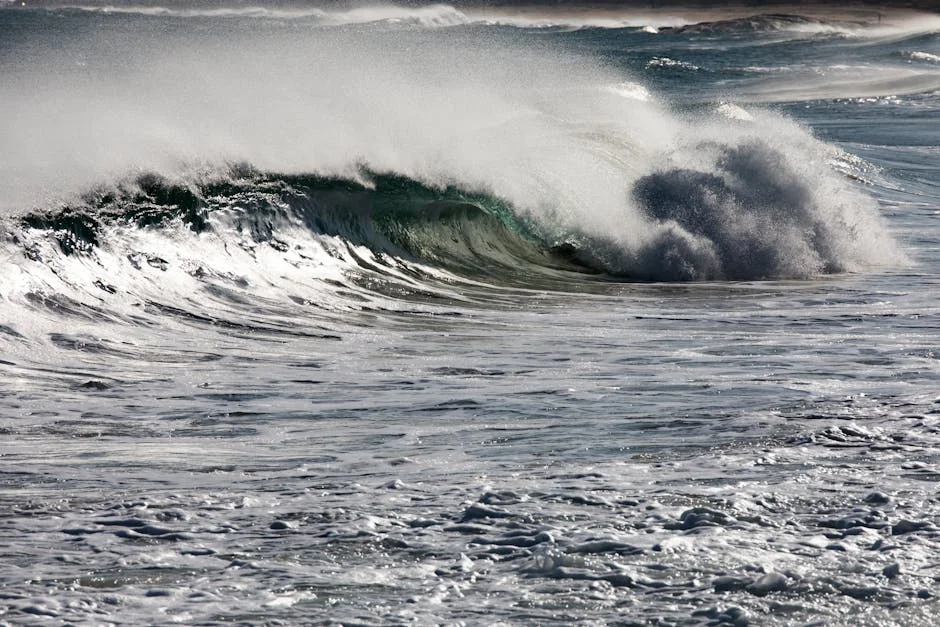
The quake has also disrupted transport and communication networks. Trains in the Tohoku region were halted, and power outages were reported in several areas. The Japan Railways Group confirmed that services were suspended between Sendai and Natori stations. Meanwhile, the JMA warned that smaller aftershocks could continue for days, increasing the risk of further damage.
Regional Concerns and Economic Effects
The tremor has raised concerns about the region’s infrastructure, particularly in areas still recovering from past disasters. The Fukushima Daiichi nuclear power plant, which was severely damaged in 2011, was reported to have no leaks or radiation issues, according to the Japan Nuclear Regulation Authority. However, the event has reignited fears about the long-term safety of nuclear facilities in the region.
For India, the earthquake has sparked interest due to the country’s growing trade and investment ties with Japan. The Indian Ministry of External Affairs has issued a statement advising Indian nationals in Japan to remain cautious and follow local authorities’ instructions. "We are closely monitoring the situation and coordinating with our embassy in Tokyo," said a spokesperson for the ministry.
Public Response and Community Preparedness
Local communities have shown resilience, with many residents following evacuation procedures calmly. In Ishinomaki, volunteers helped elderly and disabled individuals reach higher ground. "We’ve learned from the past, and we are better prepared now," said Hiroshi Tanaka, a community leader in the area.
Emergency drills are now being conducted in schools and public buildings across the region. The Japanese government has also launched a public awareness campaign to ensure citizens are equipped with emergency kits and know the nearest evacuation routes. "Preparedness is key to saving lives during disasters," said Yuki Sato, a disaster management expert at the University of Tokyo.
International Response and Support
India and the UK have both expressed concern over the situation. The UK’s Foreign Office issued a travel advisory for British nationals in Japan, urging them to stay informed. Meanwhile, the Indian government has offered assistance in the event of further damage. "India stands ready to support Japan in any way possible," said a statement from the Ministry of External Affairs.
International aid agencies have also begun assessing the situation. The United Nations Office for the Coordination of Humanitarian Affairs (OCHA) has deployed a team to the region to evaluate the needs of affected communities. "We are prepared to provide immediate support if required," said a spokesperson for OCHA.
What to Watch Next
Residents in the affected areas should remain alert as the JMA continues to monitor the situation. The next 48 hours will be critical in determining whether the tsunami warning is lifted. Meanwhile, the Indian government is expected to issue further guidance for its citizens in Japan. The UK is also reviewing its travel advisories and may update them based on the latest developments.
As the region works to manage the immediate aftermath, the long-term implications of the quake on infrastructure, economy, and public safety will become clearer in the coming days. For now, the focus remains on ensuring the safety of all affected communities.
See Also
- South Africa Warns of Water Crisis — Manufacturing at Risk
- Pune Authorities Probe Hooch Connection After Eight Deaths in 24 Hours
"Preparedness is key to saving lives during disasters," said Yuki Sato, a disaster management expert at the University of Tokyo. Emergency drills are now being conducted in schools and public buildings across the region.