The Israeli Army confirmed on Tuesday that one of its soldiers defaced a statue of Jesus Christ in southern Lebanon, triggering an immediate diplomatic row between the two nations. The incident, which occurred near the border town of Maroun al-Ras, has raised concerns over the potential escalation of tensions in the region. The soldier, identified as Corporal David Levy, was reportedly on a routine patrol when he reportedly damaged the statue, which is located in a small church complex.
Incident Sparks Regional Outrage
The defacement of the statue, which had been a symbol of peaceful coexistence between Christian and Muslim communities in the area, has sparked outrage among local residents and religious leaders. “This act is not just an attack on a statue, but on our shared history and values,” said Father Elias Khoury, a local priest in Maroun al-Ras. The church, which has served the community for over a century, has now become a focal point for both anger and calls for accountability.
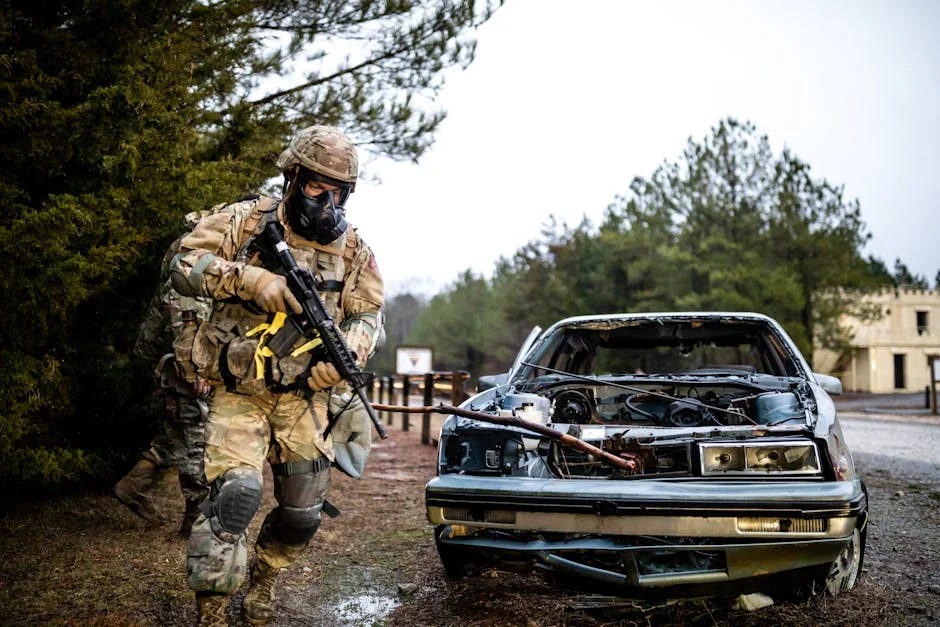
The Israeli military released a statement saying it is investigating the incident and has placed the soldier under disciplinary action. “We condemn any act that undermines the values of respect and tolerance,” the statement read. However, the statement did not provide further details on the extent of the damage or the soldier’s intent. The incident has been widely reported in Lebanese media, with some outlets calling it a “provocation” against the country’s religious heritage.
Local Communities React with Concern
Residents of Maroun al-Ras, a predominantly Christian town, expressed shock at the incident. “This is not just about a statue,” said local business owner Maria Semaan. “It’s about our identity and the peace we’ve always tried to maintain.” The town, located near the border with Israel, has long been a site of cross-border tensions, but this event has brought the issue to the forefront of public discourse.
Local leaders have called for a formal investigation and for the Israeli military to take responsibility. “We are not asking for war, but we are asking for respect,” said mayor Samir Fares. “This kind of act can only lead to more conflict.” The incident has also drawn attention from international human rights organizations, which have urged both sides to avoid actions that could further destabilize the region.
Impact on Daily Life and Regional Relations
The incident has already begun to affect daily life in Maroun al-Ras. Some businesses have reported a decline in customers, and local schools have seen increased anxiety among students. “Children are asking questions about why this happened and what it means for their future,” said school principal Lina Khoury. The community is now looking for reassurance that such incidents will not be repeated.
On a broader scale, the event has intensified concerns about the stability of the Israel-Lebanon border. The area has seen sporadic clashes in the past, but this incident has raised fears of a new wave of tension. Lebanese officials have warned that such actions could lead to retaliatory measures, potentially escalating into a larger conflict. “We cannot allow one act of aggression to derail the fragile peace we have worked so hard to maintain,” said Foreign Ministry spokesperson Nadine Abou Rizk.
Religious and Cultural Significance
The statue of Jesus, which stood in a small chapel near the town’s central square, was a well-known landmark for both locals and visitors. It was believed to have been erected in the 1950s and was a symbol of the area’s religious diversity. The damage has led to an outpouring of support from other religious communities, with Muslim leaders condemning the act and calling for unity.
“This is a moment for reflection and reconciliation,” said Imam Hassan Moustafa, a local religious leader. “We must not let the actions of a few undermine the peace we all share.” The community has begun discussions on how to restore the statue, with some proposing a public fundraising campaign to cover the costs.
What Comes Next?
The Israeli military has said it will take further disciplinary action against the soldier, but the Lebanese government has demanded a formal apology and a guarantee that such incidents will not occur again. A meeting between officials from both countries is expected in the coming weeks to address the matter. Meanwhile, the local community is preparing for a public ceremony to restore the statue, which they hope will symbolize resilience and unity.
As the situation unfolds, citizens in the region are watching closely. The incident has highlighted the fragile balance between security and cultural respect, and the actions taken in the coming days will determine the path forward. For now, the people of Maroun al-Ras are determined to rebuild, not just the statue, but the trust that has been shaken.
See Also
- Venezuela Restructures Supreme Court as Crisis Deepens
- Officer Killed in EC Shooting, Community in Shock
What is the latest news about israeli army confirms soldier defaced jesus statue in lebanon?
Why does this matter for business-economy?
What are the key facts about israeli army confirms soldier defaced jesus statue in lebanon?