France has formally accused Hezbollah of orchestrating the killing of a French peacekeeper in Lebanon, marking a significant escalation in tensions between the group and the European nation. The incident, which occurred on May 12 in the southern town of Marjayoun, has sparked immediate diplomatic backlash and raised concerns about regional stability.
French Government Condemns Attack
The French Ministry of Foreign Affairs issued a statement confirming the accusation, citing intelligence and on-the-ground investigations. "Hezbollah is directly responsible for the death of our peacekeeper, and we will not remain silent," said Foreign Minister Catherine Colonna. The attack, which took place during a routine patrol, has intensified scrutiny on Hezbollah’s role in the region and its ties to Iran.
The French military has deployed additional forces to the area, reinforcing its commitment to the United Nations Interim Force in Lebanon (UNIFIL). The peacekeeper, identified as Captain Antoine Dubois, was a veteran officer with over a decade of service in conflict zones. His death has left a deep impact on French military personnel and their families, with many calling for accountability.
Impact on Local Communities
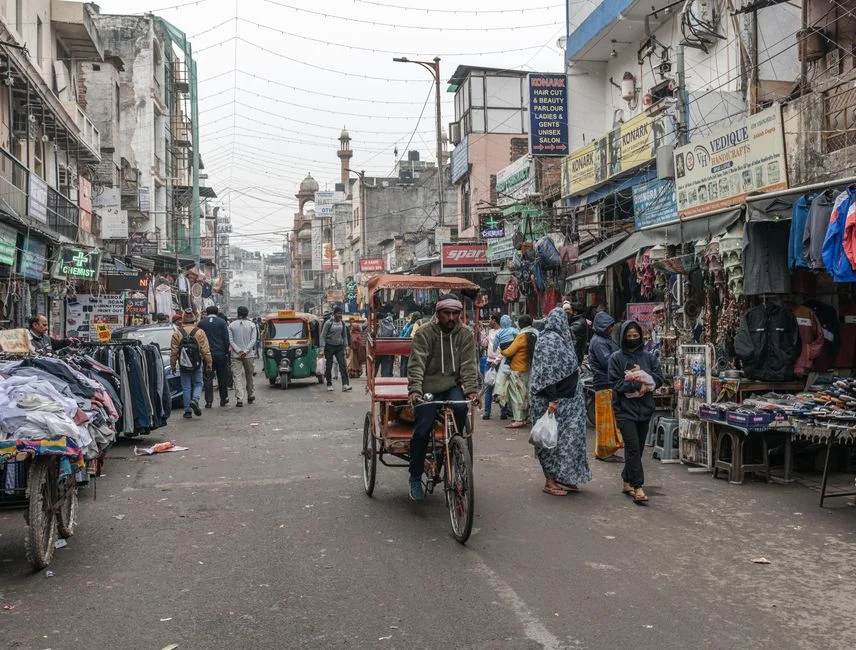
The attack has sent shockwaves through the local population in Marjayoun, a town that has seen frequent clashes between Lebanese forces and Hezbollah. Residents reported heightened security measures and a sense of fear as French and Lebanese troops patrol the area. "We are worried about the safety of our families," said Safa, a local shopkeeper. "This is a place that has already suffered too much."
Local businesses have also felt the ripple effects. The town, which relies heavily on cross-border trade, has seen a slight drop in foot traffic as tensions rise. "People are staying away, and we are losing customers," said Samir, a café owner. "It’s not just about the security—it’s about the economy too."
Regional Tensions and Diplomatic Fallout
The accusation has strained relations between France and Lebanon, where Hezbollah holds significant political influence. The Lebanese government has not yet publicly responded to the claim, but officials have expressed concern over the potential for further violence. "We are committed to maintaining stability in the region, but this incident is a serious matter," said a spokesperson for the Lebanese Ministry of Foreign Affairs.
France’s stance has also drawn attention from international actors. The European Union has called for a de-escalation, while the United States has urged both sides to avoid further confrontation. The incident has reignited debates about the role of external powers in the region, with many fearing that the conflict could spill over into broader regional instability.
Hezbollah’s Role and Influence
Hezbollah, a Shia Islamist political party and militant group based in Lebanon, has long been a source of controversy. Founded in the 1980s with support from Iran, the group has been designated as a terrorist organization by several countries, including the United States and the European Union. Despite this, Hezbollah holds significant political power in Lebanon, with members holding key government positions.
The group has denied any involvement in the attack, stating that it does not target UN personnel. "We are committed to peace and stability in the region," said a Hezbollah spokesperson. However, the group’s recent actions, including clashes with Israeli forces, have only added to the growing tension.
What Comes Next?
France has vowed to pursue legal and diplomatic measures against Hezbollah, including potential sanctions or military actions. The United Nations is expected to issue a statement in the coming days, calling for an independent investigation into the incident. Meanwhile, the French military has announced plans to increase its presence in the region, with additional troops expected to arrive by the end of the month.
For the people of Lebanon, the situation remains uncertain. As the international community watches closely, local communities are bracing for the potential consequences of this escalating conflict. With tensions high and diplomatic channels limited, the path forward remains unclear.
The coming weeks will be critical in determining whether this incident leads to a broader regional crisis or a renewed effort at de-escalation. For now, the people of Marjayoun and beyond are watching and waiting.
See Also
- Tirupati Collector Champions Financial Independence for Women: A Local Empowerment Story
- Cole Allen's Court Appearance Sparks Debate on Gun Laws in IN