India's supertanker, the MV Kandla, was caught in crossfire as Iranian forces opened fire on vessels passing through the Strait of Hormuz, according to live reports from Aaj Tak. The incident, which occurred on Monday, has raised concerns over regional security and the safety of maritime trade routes. The Indian Ministry of External Affairs confirmed the involvement of its vessel but has not yet provided further details.
Escalating Tensions in the Strait of Hormuz
The Strait of Hormuz, a critical chokepoint for global oil trade, has become a flashpoint in the ongoing tensions between Iran and the United States. On Monday, Iranian military forces reportedly fired at several ships, including the Indian supertanker, as they navigated the narrow waterway. The incident marks a significant escalation in the region's security situation, with the Indian government closely monitoring the developments.
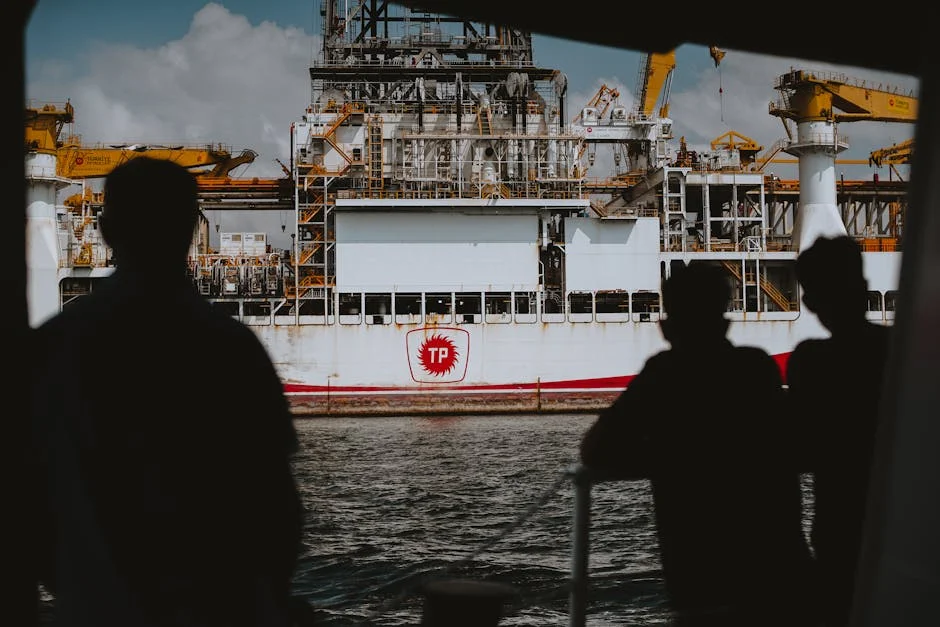
According to a report from Aaj Tak's live coverage, the MV Kandla was carrying a cargo of crude oil when it came under fire. The vessel managed to escape without casualties, but the incident has sparked fears of a broader conflict. The Indian Ministry of External Affairs has issued a statement urging all vessels to remain vigilant and follow international maritime protocols.
Impact on India's Maritime Trade
The incident has raised immediate concerns about the safety of Indian ships operating in the region. The Strait of Hormuz is a vital route for India's energy imports, with over 50% of its crude oil passing through the strait. The Indian government has been working closely with the International Maritime Organization to ensure the security of its vessels.
Experts warn that any disruption in the flow of oil through the strait could have severe economic consequences for India. The country's energy sector is heavily dependent on imports, and any delay or interruption in supply could lead to price volatility. The Ministry of Petroleum has already begun consultations with oil companies to assess the potential impact.
Regional Response and Diplomatic Efforts
The Indian government has called for an immediate investigation into the incident and has requested a meeting with the Iranian ambassador in New Delhi. The Ministry of External Affairs has also reached out to the United States and other regional powers to coordinate a response. Diplomatic channels remain open, but tensions remain high.
Regional analysts, including Dr. Anil Kumar, a senior fellow at the Institute of Strategic Studies, said the incident highlights the growing risks faced by Indian maritime interests. "India must strengthen its naval presence in the region and work with international partners to ensure the safety of its shipping lanes," he said.
Security Measures and Future Steps
The Indian Navy has announced additional security measures for its vessels operating in the Gulf region. This includes increased surveillance and coordination with the United States and other regional allies. The move comes as part of a broader strategy to protect India's maritime interests amid rising geopolitical tensions.
India has also urged the International Maritime Organization to take stronger action to safeguard commercial shipping. Aaj Tak's live coverage reported that the Indian delegation at the IMO has called for an emergency meeting to address the growing security concerns.
What to Watch Next
The situation remains fluid, with the Indian government expected to release more details in the coming days. The Ministry of External Affairs has scheduled a press briefing for Thursday to provide an update on the incident. Meanwhile, the Indian Navy is expected to announce new security protocols for its vessels in the region.
As tensions in the Strait of Hormuz continue to escalate, the impact on India's energy security and maritime trade will be closely monitored. The coming days will be critical in determining how the situation unfolds and what steps the Indian government will take to protect its interests.
See Also
- Titan Shares Plunge 12% on Regulatory Concerns
- Iran's New Offensive Against Neighbours Reveals Regional Tensions - What It Means for Citizens
What is the latest news about iran fires at ships in hormuz indias supertanker involved?
Why does this matter for business-economy?
What are the key facts about iran fires at ships in hormuz indias supertanker involved?