LimeWire AI Studio, a global AI development platform, has launched its latest version in India, introducing a tiered pricing model that could reshape how local developers and small businesses access AI tools. The release, announced on 15 June 2023, comes as part of a broader push to expand the company’s presence in the South Asian market. The platform, which allows users to build and deploy AI models without extensive coding knowledge, is now available in cities like Bangalore, Mumbai, and Hyderabad, where tech startups and digital entrepreneurs are growing rapidly.
What’s New in LimeWire AI Studio?
The updated studio features a more intuitive interface, improved natural language processing capabilities, and a range of pre-built AI templates. These templates, tailored for industries such as healthcare, finance, and e-commerce, are designed to help users create custom solutions quickly. The platform now supports multiple languages, including Hindi and Tamil, which is a significant step for a country where English proficiency varies widely.
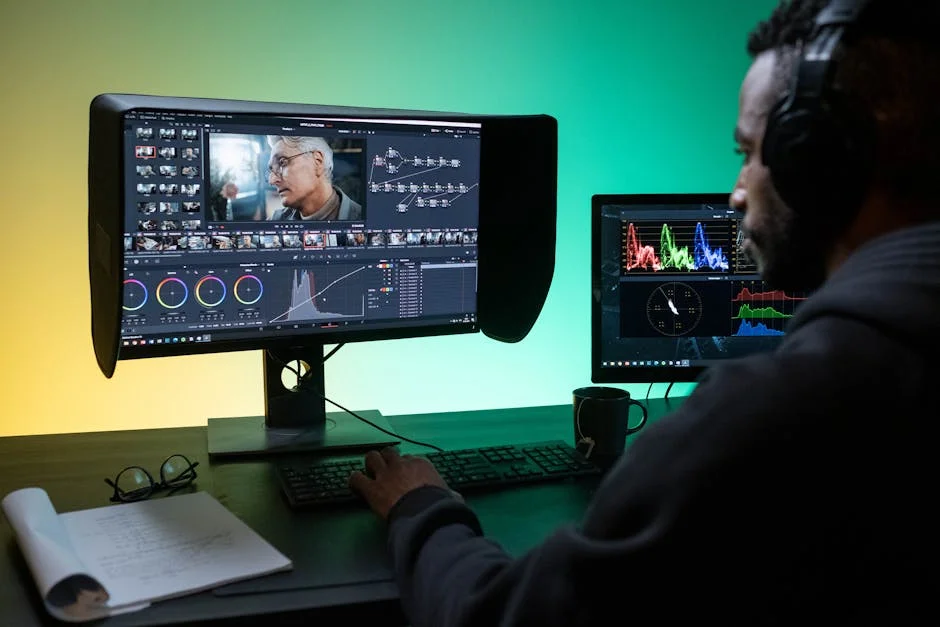
The pricing model has also changed. Instead of a flat subscription fee, LimeWire now offers a freemium plan with limited features, a mid-tier plan for startups, and an enterprise plan for larger organisations. The mid-tier plan, priced at ₹2,999 per month, includes access to advanced analytics and cloud-based deployment tools. This change has drawn attention from both developers and business owners in India, who are evaluating the cost-effectiveness of the new structure.
Impact on Local Developers and Startups
For developers in cities like Bengaluru, the new pricing model could reduce the financial barrier to entry for AI tools. "Previously, we had to invest in expensive software or hire external developers," said Ravi Sharma, a software engineer at a local startup. "Now, with LimeWire’s new plan, we can build our own AI solutions without breaking the bank."
However, not all are convinced. "The freemium model might not be enough for businesses that need more advanced features," said Priya Mehta, a digital marketing consultant based in Mumbai. "We’re still waiting to see if the mid-tier plan offers enough value to justify the cost."
Government and Industry Response
The Indian government has welcomed the expansion, with the Ministry of Electronics and Information Technology (MeitY) highlighting the potential for AI to drive innovation in the country. "Platforms like LimeWire AI Studio can empower local talent and support the growth of India’s digital economy," said a statement from the ministry.
Industry analysts are also watching closely. "This launch could be a turning point for AI adoption in India," said Dr. Anand Kumar, a tech policy expert at IIT Delhi. "If the platform continues to adapt to local needs, it could help bridge the digital divide and support small businesses that lack in-house AI expertise."
What to Watch Next
As the platform rolls out across more cities, the next few months will be critical for LimeWire AI Studio. The company plans to launch a local support team in Bangalore by the end of the year, which could further boost adoption. Meanwhile, developers and startups will be closely monitoring how the pricing model affects their workflows and budgets. The success of this launch could set a precedent for other global tech firms looking to enter the Indian market.
By the end of 2023, LimeWire is expected to release a version tailored specifically for rural entrepreneurs, which could have a major impact on how AI is used in less tech-savvy regions. For now, the focus remains on how this new model will shape the future of AI in India.
Looking Ahead: What’s Next for LimeWire in India?
The next major milestone for LimeWire AI Studio in India will be the launch of its localised support system, which is expected to be fully operational by December 2023. This could improve user experience and increase trust in the platform among Indian businesses. Additionally, the company has hinted at potential partnerships with local universities and tech incubators to train more developers in AI tools.
For now, the platform’s impact remains to be seen. However, the interest it has generated among developers, entrepreneurs, and policymakers suggests that it could play a significant role in shaping the future of AI in India.
See Also
- Thirteen Stocks Surge Past 200 DMAs: What This Means for Indian Investors
- Trump vows to curb rising oil prices: what it means for citizens in Oriente