
Business & Economy
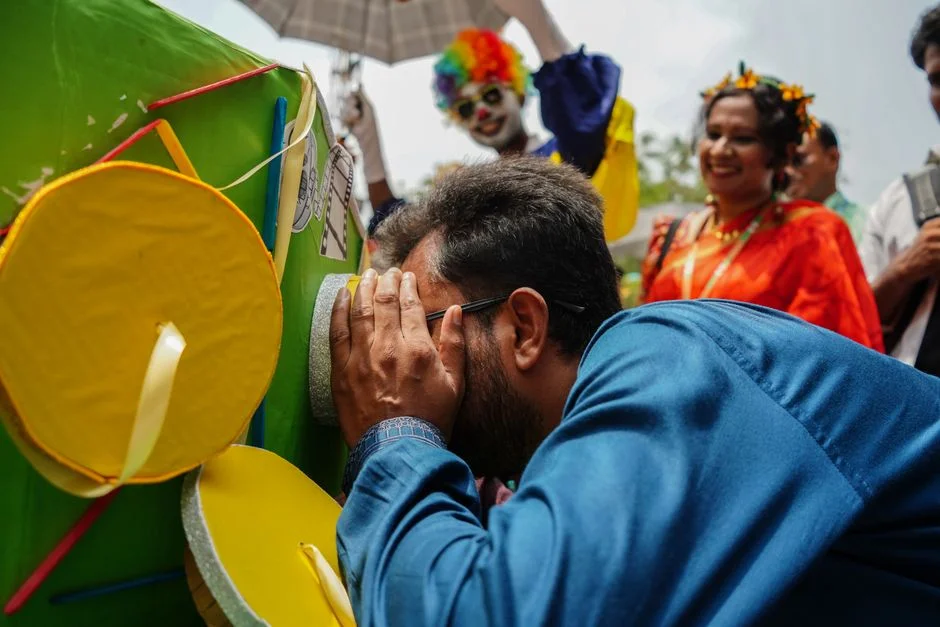
Rahul Gandhi Event Halted: BJP Faces Cong's Criticism
The Congress party has criticised the cancellation of Rahul Gandhi's event in Dehradun, accusing th…
The Congress party has criticised the cancellation of Rahul Gandhi's event in Dehradun, accusing th…

The longstanding trade negotiations between India and the United Kingdom have finally culminated in a free trade agreement (FTA) that promises to alter the landscape for consumers and businesses in…
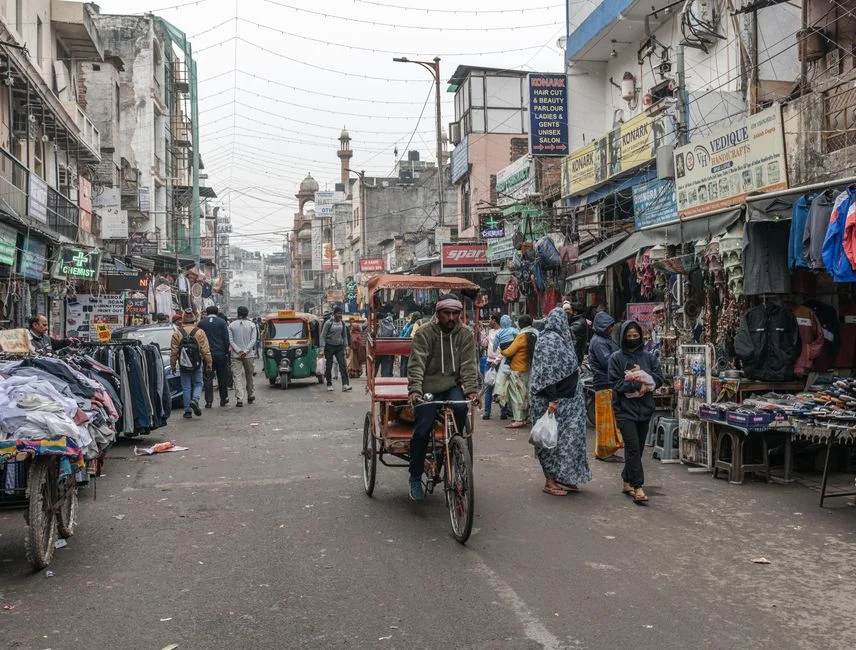
The escalation in tensions between the United States and Iran has sent ripples across India's consumer goods sector, with companies now bracing for a potential surge in input costs tied to crude oi…
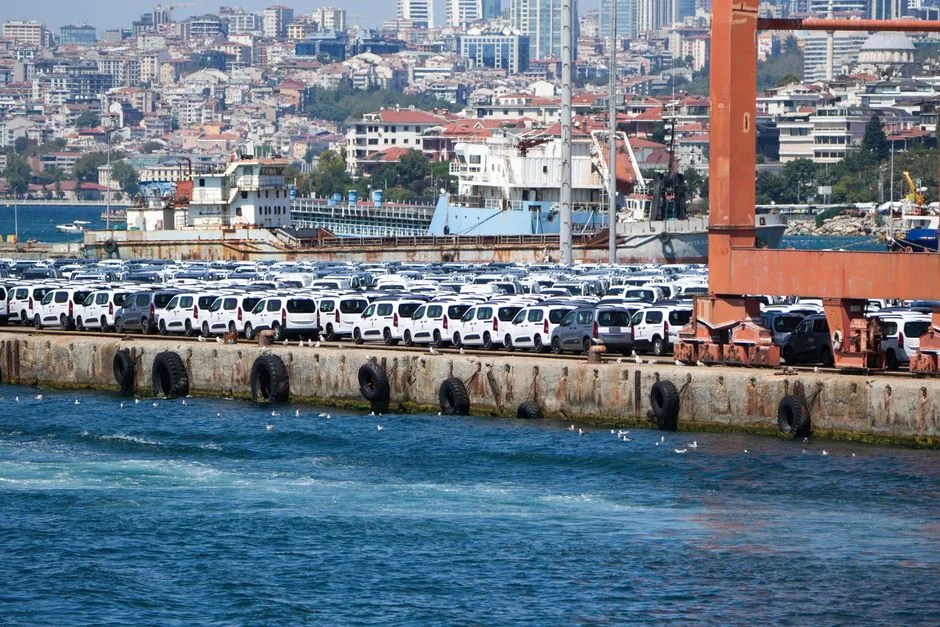
India's jewellery makers and silver traders are facing a severe shortage after import restrictions squeezed supply, pushing domestic prices to levels well above global benchmarks. Dealers in major …

Afghanistan leg-spinner Rashid Khan delivered a match-winning spell at Trent Bridge on Sunday, triggering a record defeat for India that sent shockwaves through the cricketing world. The 25-year-ol…

The Reserve Bank of India held its benchmark repo rate at 5.25 percent on Friday, a decision that keeps borrowing costs steady for millions of Indians with home loans, car loans, and business credi…

Harry Brook produced a stunning exhibition of power hitting on Tuesday, hammering 27 runs off a single over against India — including five consecutive boundaries that left the opposition bowling at…

India's technology ministry has opened a formal investigation into Tata Group after a data breach exposed sensitive information related to Apple iPhone manufacturing operations. The leak, which sur…
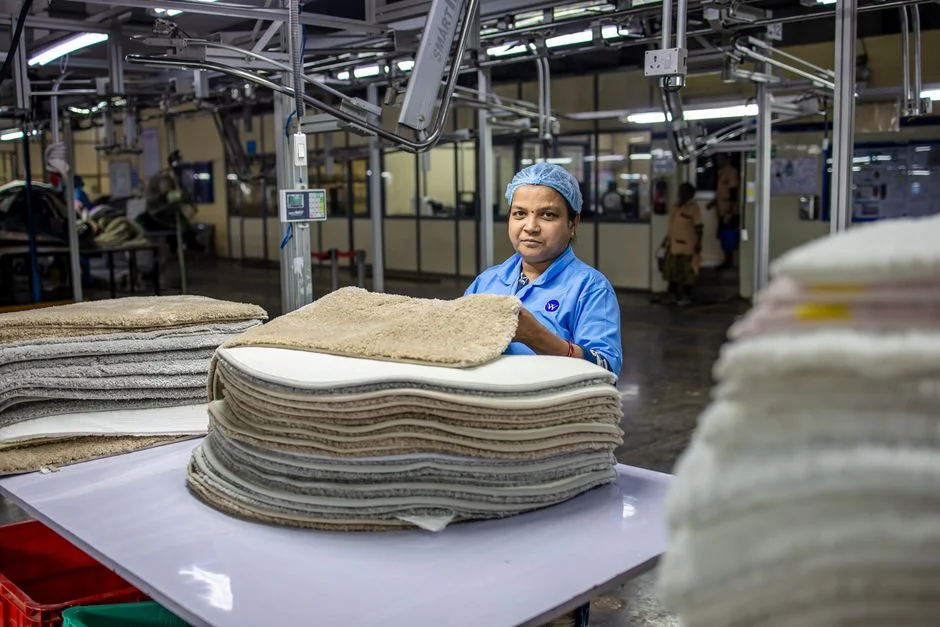
India's services sector grew at its slowest pace in 17 months during June, with hiring effectively freezing across the industry as new business orders declined for the first time this year. The lat…

Carlsberg, the Danish brewing giant behind popular beer brands, has filed confidential paperwork for an initial public offering, according to regulatory filings made public this week. The company d…
India's services sector expanded at its slowest pace in 17 months during June, as new business orders moderated and companies scaled back recruitment, according to industry data released on Monday.…

Nestle India has declared a special dividend of Rs 2 per share, according to a company filing made public on Thursday. The announcement comes as the Swiss food giant's Indian subsidiary seeks to re…