Forces in the Sahel region have killed more civilians than jihadist groups in recent months, according to a new report by a local human rights organization. The data, released this week, highlights a deepening humanitarian crisis and growing distrust between communities and state security forces. The Sahel, a vast semi-arid region stretching across 11 countries, has seen escalating violence for years, with both government troops and militant groups like ISIS and al-Qaeda-linked factions contributing to the chaos.
Sahel Violence Escalates Amid Rising Civilian Casualties
The report, compiled by the Sahel Human Rights Monitoring Network, found that between January and June 2024, government forces were responsible for 58% of civilian deaths in the region, compared to 32% attributed to jihadist groups. The remaining 10% were linked to inter-communal clashes and other armed groups. The data, based on field investigations and interviews with local residents, shows a sharp increase in civilian casualties from security operations, including arbitrary arrests, enforced disappearances, and extrajudicial killings.
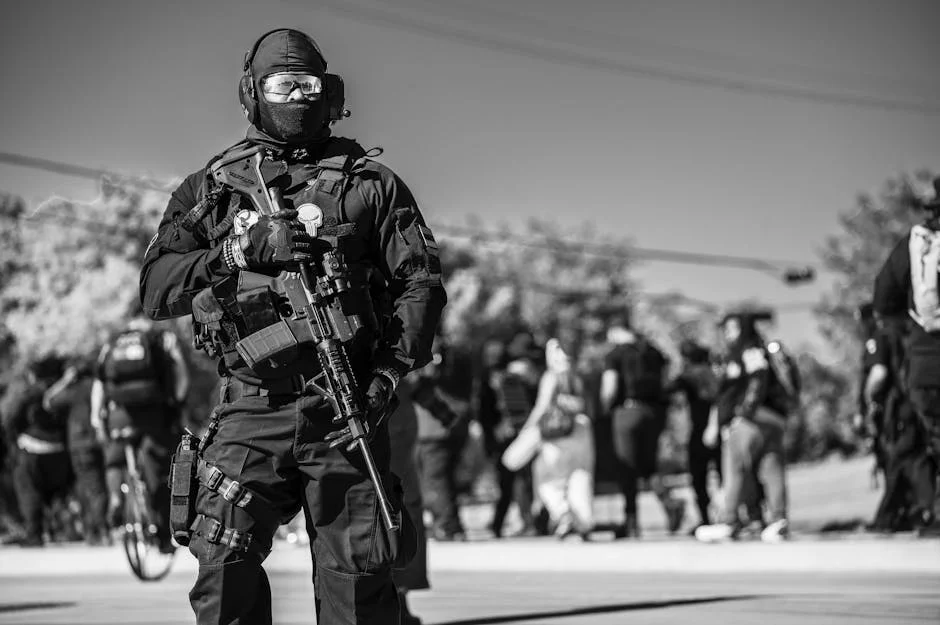
Residents in areas like central Mali and northern Burkina Faso describe a climate of fear, with many avoiding public spaces and schools due to the risk of being caught in crossfire or targeted by security forces. "We are caught between two evils," said Amina Diallo, a farmer from Bougoula, Mali. "The jihadists attack us, but the soldiers also kill us under the guise of fighting them."
Why the Sahel Matters for Regional Stability
The Sahel is a critical region for global and regional security, with its instability spilling over into neighboring countries like Niger, Chad, and Nigeria. The region's porous borders have become a hub for transnational crime, including drug trafficking, human smuggling, and the movement of armed groups. The recent surge in civilian deaths has raised concerns about the effectiveness of current security strategies and the potential for further radicalization among affected communities.
Experts say the lack of accountability for security forces and the absence of effective governance have fueled public resentment. "When the state fails to protect its citizens, it creates a vacuum that extremist groups exploit," said Dr. Mohamed Sissoko, a Sahel analyst at the University of Bamako. "This cycle of violence needs to be broken, but it requires a comprehensive approach that includes justice, development, and community engagement."
Impact on Daily Life and Local Economies
The violence has had a devastating effect on local economies, with many farmers and traders forced to abandon their land or businesses. In areas like the Mopti region of Mali, agricultural output has dropped by 40% over the past two years, according to the United Nations Food and Agriculture Organization. "We used to grow millet and sorghum, but now we can't even go to the fields," said Mamadou Coulibaly, a farmer from Koutiala. "The soldiers come and take our crops, and the jihadists burn our villages."
Local markets, once bustling hubs of trade, are now often empty, with merchants fearing both armed groups and security operations. The decline in economic activity has led to increased poverty and migration, with many families moving to urban centers or crossing into neighboring countries in search of safety and opportunity.
Community Responses and Calls for Change
In response to the violence, community leaders and civil society groups are pushing for greater transparency and accountability from security forces. In Burkina Faso, a coalition of local NGOs has launched a campaign demanding an independent investigation into civilian deaths and the establishment of community-based security initiatives. "We need to build trust with the people we are supposed to protect," said Sani Kaboré, a community leader in Kaya. "This can't be done through military force alone."
International organizations, including the United Nations and the African Union, have also called for a shift in strategy, emphasizing the need for more inclusive and sustainable security models. "The Sahel cannot be stabilized through force alone," said UN Special Envoy for the Sahel, Mahamat Saleh Annadif. "We need to invest in education, healthcare, and economic opportunities for the region's youth, who are increasingly drawn to extremist ideologies."
What Comes Next for the Sahel?
The situation in the Sahel remains highly volatile, with no clear path to peace in sight. As government forces continue to conduct operations in response to jihadist threats, the risk of further civilian casualties remains high. The international community is under pressure to provide more support for development and security initiatives that prioritize the needs of local communities.
For citizens in the Sahel, the conflict is not just a distant news story—it is an everyday reality that shapes their survival, their livelihoods, and their hopes for the future. As the region grapples with its deepening crisis, the question remains: will the forces of stability and justice prevail, or will the cycle of violence continue to claim more lives?