A review of medical records in the southern state of Tamil Nadu has revealed that 250 patients require repeat bone scans, raising concerns about the accuracy of previous diagnostics and the potential impact on healthcare services. The findings, released by the state’s health department, have sparked a debate about the quality of medical imaging and the need for better oversight in diagnostic procedures.
The review, conducted by a panel of radiologists and healthcare officials, was initiated after multiple patients reported inconsistent results from their bone scans. The findings indicate that some scans may have missed early signs of bone-related conditions, including fractures and degenerative diseases, leading to the need for retesting. This has placed additional pressure on already overburdened hospitals and diagnostic centers in the region.
How the Review Affects Local Communities
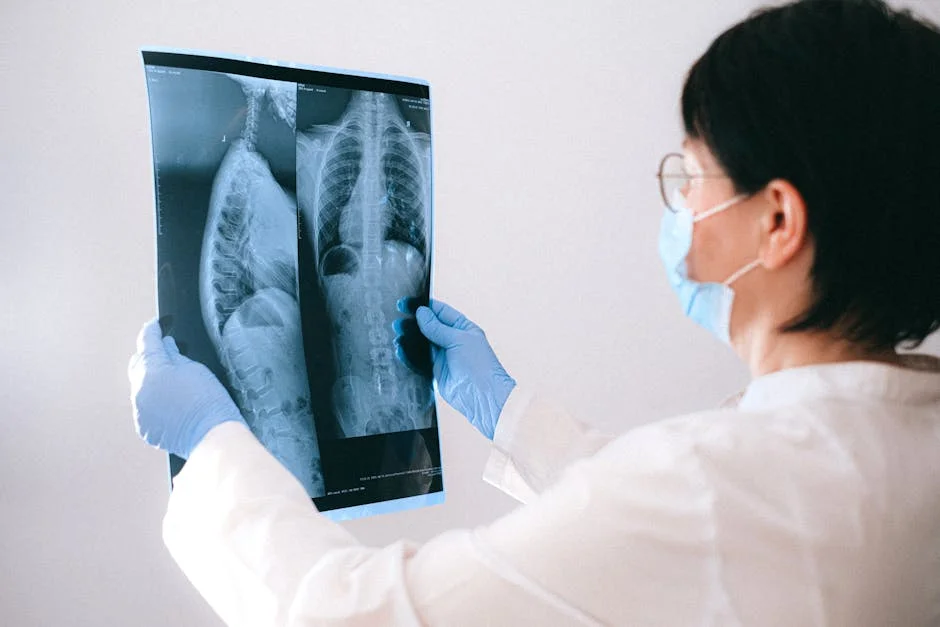
The discovery has directly impacted patients and their families, many of whom are now facing the stress of undergoing additional scans. For those living in rural areas, the process is even more daunting, as access to advanced diagnostic facilities is limited. In places like Coimbatore and Madurai, where healthcare infrastructure is less developed, patients often have to travel long distances to get the required tests, adding to their financial and emotional burden.
Healthcare workers in the region have expressed concern over the implications of the review. Dr. Ravi Kumar, a radiologist at a government hospital in Tiruppur, said, "This is a wake-up call for the healthcare system. We need better training and more reliable equipment to ensure accurate diagnoses from the start." The review has also prompted calls for stricter quality control measures in medical imaging, especially in public hospitals.
What the Review Means for the Local Economy
The need for repeat scans is also affecting the local economy, particularly in the healthcare and diagnostic sectors. Hospitals and private clinics that provide imaging services are experiencing a surge in demand, which has led to longer wait times and increased costs for patients. In some cases, the additional scans are not covered by insurance, placing a financial strain on families who are already struggling with medical expenses.
Business owners in areas near diagnostic centers have noticed a rise in footfall, but many are worried about the sustainability of this trend. "While it’s good for business, it’s also a sign that something is wrong with the initial tests," said Anand Prabhu, a clinic manager in Chennai. "We need to ensure that these repeat scans are not a regular occurrence, but a one-time correction."
Community Response and Calls for Action
Community groups and patient advocacy organizations have responded to the review with a mix of concern and urgency. Local NGOs are now pushing for better transparency in medical reporting and for patients to have access to second opinions. In some towns, community leaders have started holding awareness sessions to educate people about the importance of accurate diagnostics and how to navigate the healthcare system.
State health officials have pledged to address the issue, with plans to introduce new protocols for bone scans and to conduct regular audits of diagnostic facilities. However, many residents remain skeptical, citing past failures in healthcare reforms. "We need action, not just promises," said Priya Nair, a patient advocate from Kancheepuram. "The people of Tamil Nadu deserve a healthcare system that works for them, not against them."
What’s Next for Patients and the Health System
The review has also highlighted a broader issue in the state’s healthcare system — the need for better coordination between diagnostic centers and treating physicians. Many patients said they were not informed of the need for repeat scans until after their initial treatment had begun, leading to confusion and delays in care. This has prompted discussions about improving communication between doctors and patients, as well as between different healthcare providers.
As the state moves forward, the focus will be on ensuring that such errors are minimized in the future. The health department has announced plans to train medical staff on the latest diagnostic techniques and to invest in better imaging technology. However, for now, the 250 patients affected by the review remain at the center of a growing conversation about the quality of healthcare in Tamil Nadu.