Residents in Lisbon are facing a growing crisis as soaring property prices and rising rents threaten their daily lives, prompting community protests and calls for urgent government action. The city, known for its historic charm and vibrant culture, is witnessing a rapid transformation driven by foreign investment and a booming tourism sector, leaving many locals struggling to afford housing.
The situation has reached a breaking point, with local activists and community leaders demanding immediate measures to protect affordable housing. According to recent data, the average rent in Lisbon has increased by 25% over the past two years, making it one of the most expensive cities in Europe for renters. This has forced many long-term residents to relocate to the outskirts of the city or even leave Lisbon altogether.
Lisbon's Property Market Shifts Dramatically
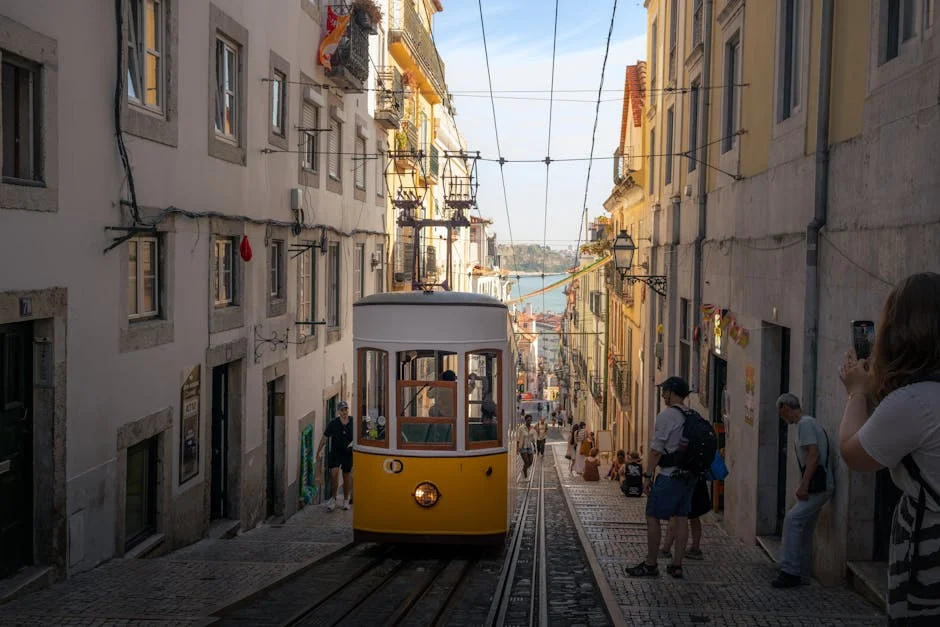
The surge in property prices has been driven by a combination of factors, including a surge in foreign investment and the rise of short-term rental platforms like Airbnb. These platforms have led to the conversion of long-term rental properties into tourist accommodations, reducing the availability of affordable housing for locals. In some neighborhoods, over 40% of properties are now used for short-term rentals, according to a recent study by the Lisbon Municipal Government.
Local businesses are also feeling the pressure. Small shops and cafes, once the backbone of Lisbon’s neighborhoods, are being forced to close due to rising rents. "We’ve been in this area for over 20 years, but we can’t afford the new lease terms," said Maria Silva, owner of a family-run bakery in the city center. "We’re being pushed out by investors who don’t care about the community."
Community Response Grows Stronger
In response to the crisis, community groups have organized regular protests and public forums to raise awareness and demand policy changes. The "Lisbon for Locals" campaign has gained momentum, with residents calling for stricter regulations on short-term rentals and increased investment in public housing. "We want to live in a city that values its people, not just its profits," said João Ferreira, a community organizer and spokesperson for the movement.
The protests have also sparked a broader conversation about the role of tourism in Lisbon's economy. While the city benefits from a thriving tourism sector, locals argue that the focus on short-term gains is undermining the long-term stability of the community. "Tourism is important, but it shouldn’t come at the cost of our homes and our way of life," added Ferreira.
Government Actions and Future Outlook
Local authorities have acknowledged the issue and are considering new regulations to curb the impact of short-term rentals. A proposed law would limit the number of days a property can be rented out as a short-term accommodation and require landlords to register their properties. However, critics argue that these measures may not be enough to address the scale of the problem.
Meanwhile, the government has announced plans to invest in affordable housing projects across the city. "We need to ensure that Lisbon remains a city where everyone can live, not just the wealthy," said Lisbon Mayor Carlos Moedas. "This is a priority for our administration, and we are working on solutions that will benefit all residents."
What’s Next for Lisbon’s Residents?
As the situation continues to evolve, the impact on Lisbon's residents remains a pressing concern. With property prices expected to rise further in the coming months, the challenge for the city is to balance economic growth with the needs of its local population. For many, the question is whether Lisbon can retain its character and affordability in the face of rapid change.
For citizens and communities in the region, the situation in Lisbon serves as a cautionary tale about the consequences of unchecked real estate speculation and the need for policies that prioritize long-term stability over short-term profit. As the city moves forward, the voices of its residents will be crucial in shaping its future.