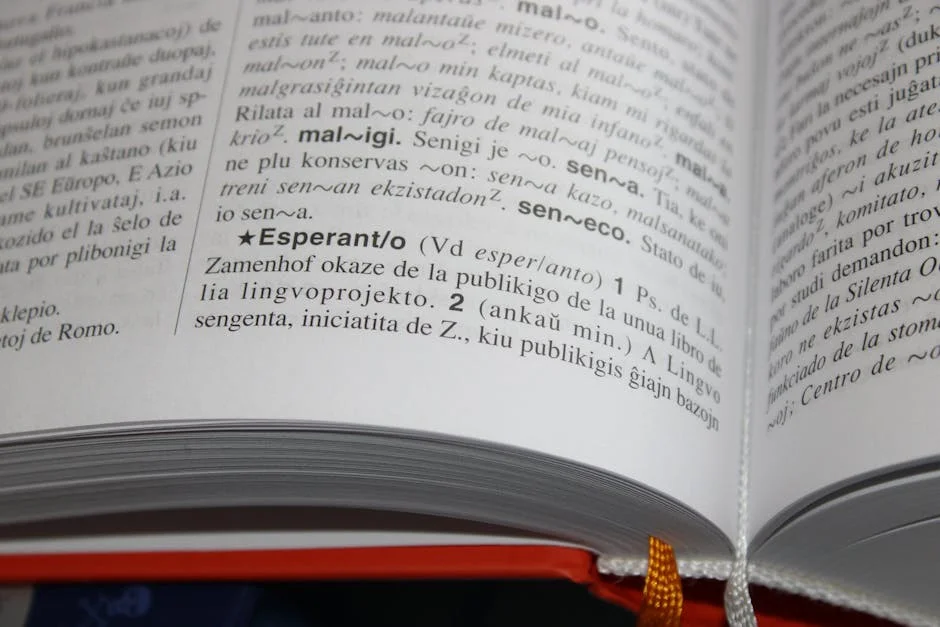
Coimbra, a historic city in central Portugal, has initiated a major digitization project of the Biblioteca Joanina, one of the oldest and most significant university libraries in Europe. The initiative, led by the University of Coimbra, aims to make over 500,000 manuscripts and rare books accessible online, marking a major step in preserving and sharing the region's cultural heritage.
Preserving a Legacy for the Digital Age
The Biblioteca Joanina, founded in 1602, houses an extensive collection of historical texts, including rare works from the Renaissance and Enlightenment periods. The new digitization project will ensure that these invaluable resources are preserved and accessible to scholars, students, and the public worldwide. This move is especially significant for the local community, as it reinforces the city's identity as a hub of learning and culture.

Local historians and educators in Coimbra have welcomed the initiative, noting that it will enhance educational opportunities and support research in the region. The university has partnered with technology firms to develop high-resolution scans and metadata systems, ensuring the digital archive is both comprehensive and user-friendly.
Impact on Local Education and Tourism
The digitization of the Biblioteca Joanina is expected to have a direct impact on the local education sector. Students and researchers in Coimbra will have instant access to primary sources that were previously only available in physical form. This will support academic work and encourage a deeper understanding of the region's history and intellectual traditions.
For the tourism industry, the project offers a unique opportunity to promote Coimbra as a destination for cultural and academic visitors. The university is planning to launch an online portal where users can explore the digital collection, potentially increasing interest in visiting the city and its historic sites. This could lead to a boost in local businesses, including hotels, cafes, and tour operators.
Community Response and Cultural Pride
Residents of Coimbra have expressed pride in the project, seeing it as a reflection of the city’s rich heritage and its commitment to innovation. Local cultural organizations have praised the initiative, highlighting its role in making historical knowledge more accessible to the general public. This aligns with a broader trend of using technology to bridge the gap between tradition and modernity.
Community leaders have also emphasized the importance of the project in fostering a sense of identity and belonging. By digitizing its most treasured collections, Coimbra is not only preserving its past but also ensuring that future generations can engage with it in meaningful ways.
What Comes Next for the Digitization Project
The first phase of the project is expected to be completed within the next two years, with the initial batch of manuscripts and books made available online by mid-2025. The university has announced plans to expand the initiative, potentially including interactive features and multilingual access to reach a global audience.
As the project progresses, local stakeholders will be closely monitoring its impact on education, tourism, and cultural preservation. The success of the Biblioteca Joanina digitization could serve as a model for other historical institutions in the region, encouraging similar efforts to safeguard and share cultural assets.