Changi Airport in Singapore has successfully navigated a surge in transit traffic amid escalating tensions in the Middle East, according to analysts. The airport, a key hub for regional and international travel, saw a sharp increase in passenger numbers as airlines rerouted flights due to the ongoing conflict in the Gulf region. The test came as a critical moment for the airport's infrastructure and operations, with officials reporting that all systems functioned smoothly despite the pressure.
How the War Affected Air Traffic
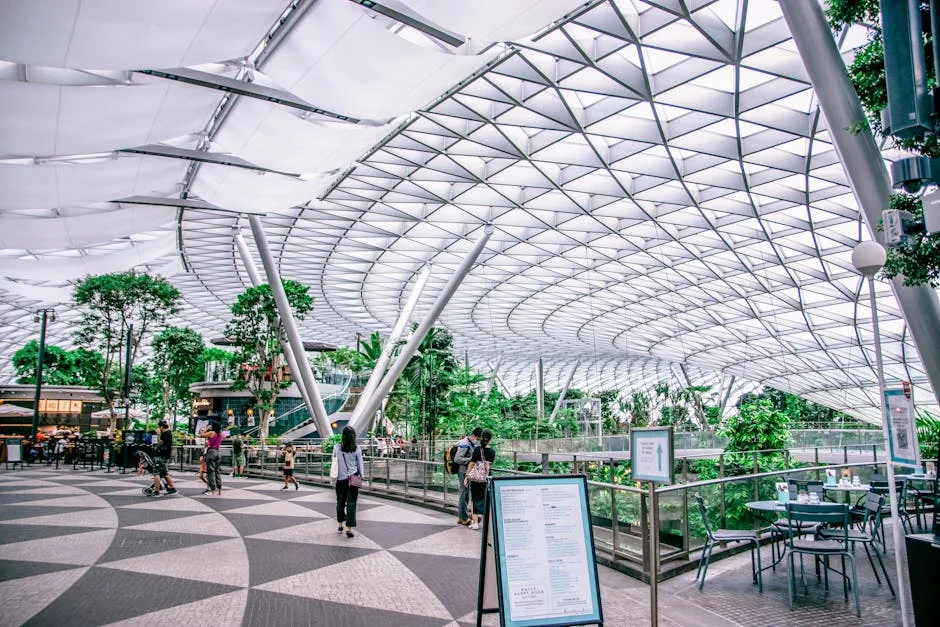
The recent escalation in the Middle East, particularly in the Gulf, has disrupted traditional flight paths, forcing airlines to seek alternative routes. This shift has led to a significant increase in traffic through Changi Airport, which serves as a major transit point for passengers traveling between Asia, Europe, and the Middle East. Analysts from the Middle Eastern region noted that the airport's ability to handle this surge is a testament to its robust infrastructure and efficient management.
The surge in traffic has also impacted the local economy, with increased demand for hotel stays, ground transportation, and retail services. For citizens in the region, this means more travel opportunities and potential job growth in the tourism and hospitality sectors. However, the long-term stability of this trend remains uncertain, as the conflict in the Gulf continues to evolve.
What Does This Mean for the Gulf Region?
The Gulf region, known for its strategic geopolitical position and economic significance, has seen a ripple effect from the war. Airlines have had to adjust their routes, leading to longer travel times and increased fuel costs. This has raised concerns among travelers and businesses alike, as the region's stability is crucial for global trade and air travel networks.
Analysts Middle Eastern have highlighted that the Gulf's political dynamics play a critical role in shaping the region's air traffic patterns. As tensions persist, the region's ability to maintain its role as a global transit hub will be closely watched. For communities in the Gulf, this means a need for continued investment in infrastructure and diplomatic efforts to ensure stability.
What is the Gulf and Why Does It Matter?
The Gulf, a body of water bordered by several Middle Eastern countries, is not just a geographical feature but a vital economic and political region. It is home to some of the world's largest oil reserves and serves as a major trade route. The Gulf's significance is reflected in its political alliances, economic policies, and strategic importance in global affairs.
Understanding the Gulf is essential for anyone interested in the region's impact on global travel and trade. Analysts Middle Eastern explain that the Gulf's stability directly affects air traffic, fuel prices, and the movement of goods. For communities in the region, this means that the political and economic health of the Gulf has a direct bearing on daily life and economic opportunities.
What to Watch Next
As the situation in the Middle East continues to unfold, the impact on air travel and the Gulf region will remain a key concern. Analysts predict that the near-term outlook for Changi Airport and the broader Gulf region is uncertain. While the airport has passed its stress test, the long-term effects of the war on air traffic and the local economy are yet to be fully understood.
For citizens and communities in the region, the situation highlights the interconnectedness of global events and local realities. As the conflict in the Gulf continues, it is crucial for travelers, businesses, and policymakers to stay informed and adapt to the changing landscape. The next few months will be critical in determining the future of air travel and the region's economic stability.