The city of Coimbra in Portugal has announced a major road reorganization plan in the Baixa district, a historic and bustling commercial area. The Metrobus, the local public transport operator, has confirmed the initiative, which aims to improve traffic flow and pedestrian safety. The plan, set to begin in early 2025, includes lane reallocations, restricted vehicle access, and new traffic signals. While officials say the changes are necessary for long-term urban development, local residents and business owners are already expressing concerns about the short-term impact.
What is the Baixa District?
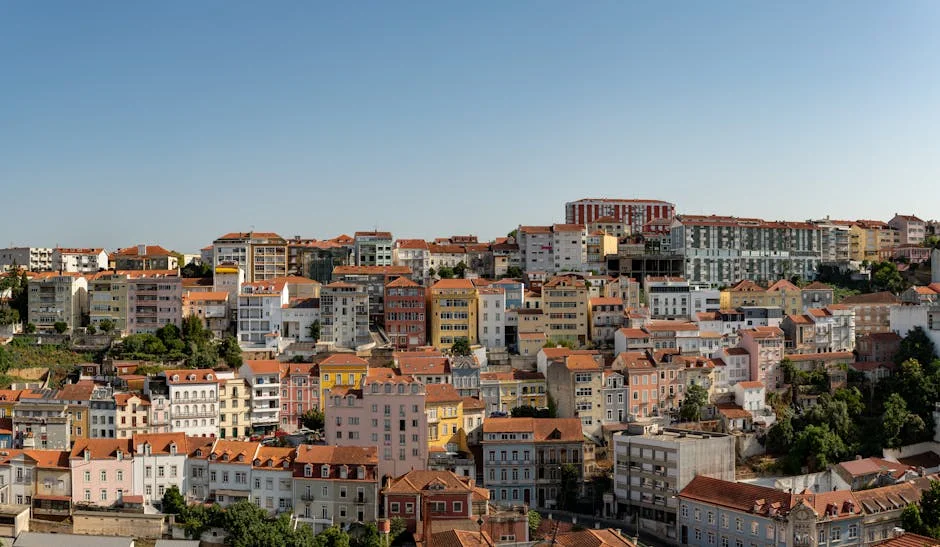
Baixa is the central commercial and historical district of Coimbra, known for its narrow streets, historic buildings, and high foot traffic. It is a hub for shops, restaurants, and cultural institutions, attracting both locals and tourists. The area’s dense population and heavy vehicle movement have long been a challenge for city planners. The new road reorganization is part of a broader effort to modernize infrastructure while preserving the district’s character. However, the changes could disrupt daily life for residents who rely on easy access to shops, services, and public transport.
The reorganization has raised questions about how the city will manage traffic during the transition. Metrobus has stated that bus routes will be adjusted to accommodate the new road layout, but some residents fear delays and reduced accessibility. Local businesses, particularly small shops and eateries, worry that the changes could lead to a drop in customers. “We need to maintain our visibility and ease of access,” said one shop owner, who requested anonymity. “If people can’t get here easily, we could suffer.”
Impact on Daily Life and the Local Economy
The Baixa district is a vital economic engine for Coimbra, with thousands of people passing through its streets daily. The road reorganization could affect everything from commuting times to delivery schedules. For example, delivery trucks and local vendors may face new restrictions, potentially increasing costs for businesses. Additionally, residents who rely on public transport may experience longer wait times and altered routes. The city has promised to provide regular updates and support for affected businesses, but many are skeptical about how effective these measures will be.
Local authorities have emphasized that the project is part of a long-term vision to make the Baixa more walkable and sustainable. However, the immediate impact on daily life remains a major concern. “This isn’t just about traffic,” said a community representative. “It’s about how people live and work in this area. We need to ensure the changes don’t push people out or damage the local economy.”
Community Response and Concerns
Community groups in Coimbra have begun to voice their concerns, with some calling for more transparency and consultation. While the city has held a few public meetings, many residents feel they were not adequately involved in the planning process. “We want to support sustainable development, but we need to be part of the conversation,” said a local activist. “Otherwise, it feels like decisions are being made without us.”
The Metrobus has acknowledged the concerns and has pledged to work closely with residents and businesses throughout the implementation phase. However, the effectiveness of these efforts remains to be seen. Some community leaders are calling for a phased rollout of the changes, allowing for adjustments based on real-time feedback. “We need flexibility,” said one representative. “The city should be prepared to adapt if things don’t go as planned.”
What to Watch Next
As the reorganization plan moves forward, the focus will be on how well the city balances development with the needs of its residents. The next few months will be critical in determining whether the changes lead to long-term improvements or unintended disruptions. Local media and community groups will continue to monitor the situation, and further updates are expected as the project progresses. For now, Coimbra’s Baixa district remains a focal point for both opportunity and uncertainty.
Residents and business owners are being encouraged to stay informed through official city channels and local news outlets. With the plan set to begin in early 2025, the coming months will be crucial in shaping the future of one of Coimbra’s most important areas.