Myanmar's military junta has taken a decisive step toward consolidating power after its leader, Senior General Min Aung Hlaing, was formally nominated to become the country's civilian president. The move, announced on Monday, signals a major shift in the nation's political landscape and raises concerns among citizens and international observers about the future of democracy in the region.
The nomination came after the military-dominated parliament passed a resolution to allow Min Aung Hlaing to assume the role, despite constitutional provisions that typically restrict military officials from holding civilian office. The decision has been widely criticized as a power grab, with many fearing it will further entrench military control over the country.
What This Means for Daily Life in Myanmar
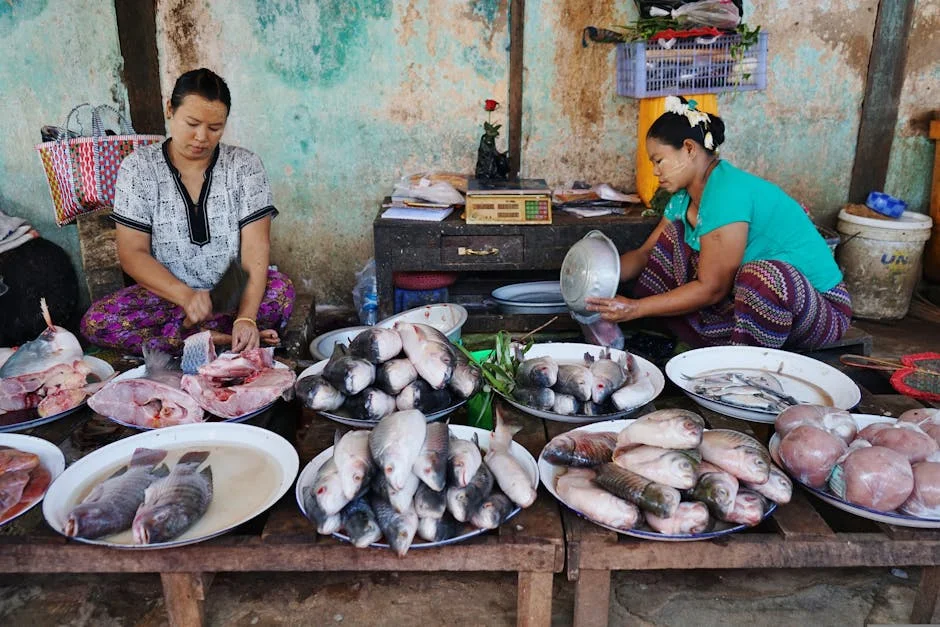
The potential appointment of a military leader as president has immediate implications for the daily lives of Myanmar's citizens. Many fear that the move will lead to increased restrictions on civil liberties, including freedom of speech, press, and assembly. In recent years, the military has been accused of human rights abuses, particularly against ethnic minorities in regions like Rakhine and Kachin. A civilian president with close ties to the military may not bring the change that many citizens hope for.
Businesses in major cities like Yangon and Mandalay are also bracing for uncertainty. Foreign investors, already wary of the political instability, may further withdraw their investments, leading to a slowdown in the local economy. The impact on small businesses and daily wage workers could be severe, with inflation and unemployment likely to rise.
Community leaders in Yangon have expressed concern over the potential for renewed crackdowns on dissent. Local activists have already begun organizing peaceful demonstrations, though they face the risk of arrest and detention. The situation remains tense, with many citizens fearing that the junta will use its newfound authority to suppress opposition.
Regional Impact and International Reaction
The move has drawn sharp criticism from neighboring countries and international bodies. India, which shares a long border with Myanmar, has expressed concern over the potential for increased instability in the region. The Indian government has historically maintained a cautious approach to Myanmar's internal affairs, but this development may force a reevaluation of its stance.
The Association of Southeast Asian Nations (ASEAN) has also condemned the decision, calling for a return to democratic processes. However, the bloc has struggled to take effective action, with member states divided on how to respond. The lack of a unified response has left many Myanmar citizens feeling abandoned by the international community.
Regional analysts warn that the political shift could have ripple effects across Southeast Asia. A more authoritarian regime in Myanmar could destabilize neighboring countries, particularly those with significant ethnic minority populations. The potential for refugee flows and cross-border conflicts remains a pressing concern for regional governments.
Community Response and Civil Society
Despite the challenges, local communities are showing resilience. Grassroots organizations and civil society groups continue to advocate for democratic reforms and human rights. In Yangon, a coalition of student groups and activists has launched a campaign to raise awareness about the implications of the junta's decision.
Religious leaders, including Buddhist monks and Christian pastors, have also spoken out against the move, calling for unity and non-violent resistance. Their influence in Myanmar's society means their voices carry significant weight, particularly in rural areas where traditional values remain strong.
However, the risk of retaliation from the military remains high. Activists have reported increased surveillance and intimidation, with some facing arbitrary detention. Despite these dangers, many remain committed to their cause, believing that change is still possible.
What Comes Next?
The next few weeks will be critical in determining the future of Myanmar. If Min Aung Hlaing is confirmed as president, it will mark a significant setback for democratic aspirations in the country. However, the military's grip on power may not be absolute, and resistance could continue to grow.
International pressure is expected to increase, with calls for sanctions and diplomatic isolation. However, the effectiveness of such measures remains uncertain. For now, the focus remains on the people of Myanmar, who continue to navigate a complex and uncertain political landscape.
As the situation unfolds, the world will be watching closely. The outcome of this moment could have lasting implications for the region and the global fight for democracy and human rights.