The disability community in India has escalated its demands, urging the federal government and state authorities to grant them representation in decision-making bodies. In a recent statement, leaders from various disability rights organizations addressed the government, stating, "We are not asking for charity — we are demanding seats in government." This call comes amid growing frustration over the lack of meaningful inclusion of persons with disabilities in policy and governance.
Disability Groups Push for Political Representation
Leaders from the National Association of Disabled People (NADP) and other advocacy groups met with officials in New Delhi to push for the inclusion of persons with disabilities in legislative and administrative roles. The demand is not new, but the urgency has increased as the government moves forward with new policies that directly affect the disabled community. "We have been sidelined for too long," said Rajesh Kumar, a spokesperson for NADP. "Our voices need to be heard in the halls of power."
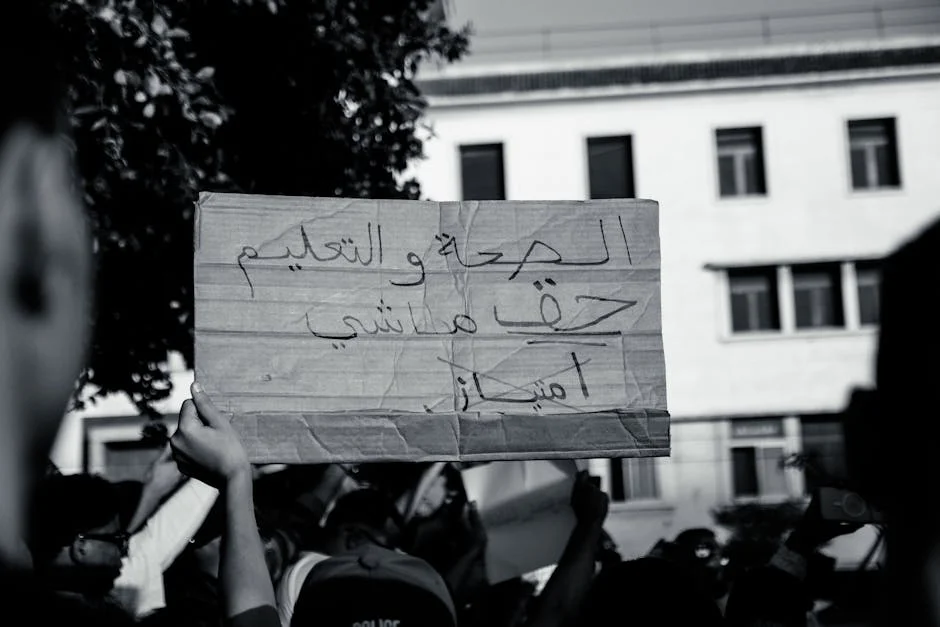
The push for representation is part of a broader movement for rights and inclusion. The Rights of Persons with Disabilities Act, 2016, mandates that at least 3% of government jobs be reserved for people with disabilities, but implementation has been slow. Many activists argue that representation in government is the next logical step in ensuring that policies are shaped by those who are most affected.
Impact on Daily Life and Social Inclusion
The lack of political representation has had a direct impact on the daily lives of people with disabilities. Many face barriers in accessing education, healthcare, and employment. In rural areas, where disability services are often underfunded, the situation is even more dire. "Without a voice in government, our concerns will continue to be overlooked," said Anjali Mehta, a disability rights advocate from Mumbai. "We need to be part of the conversation, not just the recipients of it."
Community responses have been mixed. While some local leaders have expressed support, others remain skeptical about the practicality of the demand. However, many in the disability community believe that political inclusion is essential for long-term change. "We are not asking for special treatment," said Mehta. "We are asking for equal opportunities and the right to participate in shaping our future."
Local Economy and Policy Challenges
The disability community's call for representation also has implications for the local economy. Experts suggest that including persons with disabilities in governance could lead to more inclusive economic policies that benefit the broader population. "When people with disabilities are part of the decision-making process, policies tend to be more equitable," said Dr. Ravi Sharma, an economist at the Indian Institute of Public Policy.
However, challenges remain. Many states lack the infrastructure to support full inclusion, and there is a shortage of trained personnel to implement disability-friendly policies. "We need more than just political representation," said Sharma. "We need investment in education, healthcare, and employment opportunities for people with disabilities."
What Comes Next for the Disability Movement
The disability community is preparing for a sustained campaign to push for their demands. Activists plan to hold public forums and engage with local leaders to raise awareness about the importance of inclusion. "This is just the beginning," said Kumar. "We will not stop until our voices are heard."
As the movement gains momentum, the federal and state governments face increasing pressure to act. The outcome of these efforts could shape the future of disability rights in India. For now, the message from the disability community is clear: they are not asking for special treatment — they are demanding equal participation in the political process.