A Brazilian commercial flight made an emergency landing in São Paulo after one of its engines exploded just minutes after takeoff, sending shockwaves through the city and raising urgent questions about aviation safety. The incident, which occurred on Monday afternoon, forced the aircraft to return to the airport, where passengers and crew were safely evacuated. The event has already begun to affect local air travel and has sparked concern among residents and businesses in the region.
São Paulo Air Traffic Disrupted
The emergency landing disrupted scheduled flights at São Paulo's main airport, causing delays and cancellations for hundreds of passengers. The incident has also led to increased scrutiny of maintenance protocols for aircraft operating in the region. Local authorities have launched an investigation into the cause of the engine failure, with preliminary reports suggesting a mechanical malfunction. This has raised concerns among citizens who rely on air travel for both business and personal reasons.
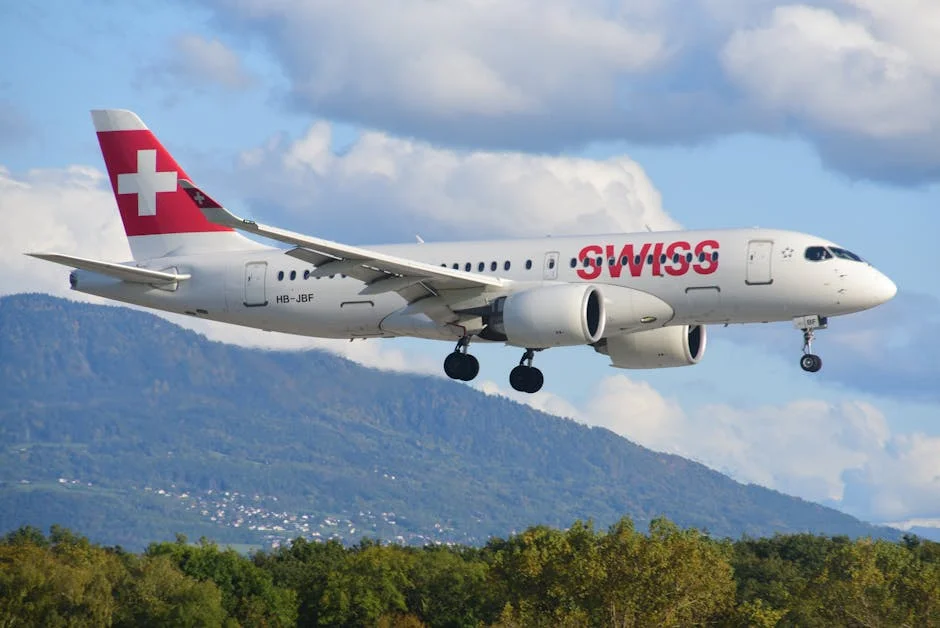
Residents in São Paulo have expressed worry over the incident, with many questioning the safety of their daily commutes. The city is a major economic hub, and any disruption to air travel has a ripple effect on local businesses, especially those that depend on frequent travel. Some companies have already begun to reschedule meetings and adjust logistics in response to the growing uncertainty.
Passengers Describe the Moment of Panic
Passengers on the affected flight described the moment of the engine explosion as terrifying. One traveler, who wished to remain anonymous, said: "We heard a loud bang, and the plane started shaking. Everyone was in shock. The crew was calm, but it was clear something was wrong." The incident has left many travelers questioning the safety of air travel in Brazil, particularly in a region that sees heavy air traffic.
Local media outlets have been covering the story extensively, with many focusing on the potential implications for the aviation sector. The incident has also prompted calls for stricter safety inspections and more transparent communication from airlines and aviation authorities. Citizens in São Paulo are now watching closely to see how the situation unfolds and what steps will be taken to prevent similar incidents in the future.
Impact on Local Economy and Travel Plans
The emergency landing has had a direct impact on the local economy, particularly for businesses that rely on air travel. Hotels, restaurants, and transportation services in São Paulo have reported a noticeable drop in activity as travelers delay or cancel their trips. Some small businesses have already begun to feel the financial strain, with one local café owner stating: "We've seen fewer customers in the past two days. People are staying home, and it's affecting our sales."
Travelers planning to visit São Paulo for business or leisure are now considering alternative routes or delaying their trips. This has led to concerns about the long-term impact on the city's tourism industry, which is a vital source of income for many local communities. The incident has also prompted a debate about the need for improved infrastructure and safety measures in the region's aviation sector.
Community Response and Calls for Action
Local communities in São Paulo have responded to the incident with a mix of concern and calls for accountability. Social media has been flooded with messages from residents demanding transparency from the airline and aviation authorities. Many have expressed frustration over the lack of information and the need for stronger safety regulations to protect passengers and the public.
Community leaders have also called for increased investment in aviation safety and better communication with the public. "This incident shows how vulnerable we are when it comes to air travel," said a local councilor. "We need to ensure that our airports and airlines are equipped to handle emergencies and that passengers are kept informed at all times." The incident has sparked a broader conversation about the role of government and private sector in ensuring public safety.