Indian farmers in the arid regions of Rajasthan are turning to an unconventional crop—spiky cactus fruit—to boost their income. The fruit, known as "Khejri" or "Bael," has gained attention for its high market value and resilience to drought conditions. This shift is helping farmers combat the challenges of climate change and declining traditional crop yields.
What is the Cactus Fruit and Why Is It Gaining Popularity?
The cactus fruit, native to the Thar Desert, is rich in vitamins and has a unique taste that is gaining popularity in urban markets. Farmers in Rajasthan, where water scarcity has long been a challenge, are finding that the cactus plant requires minimal water and can thrive in harsh conditions. This makes it an ideal crop for small-scale farmers looking for sustainable income sources.
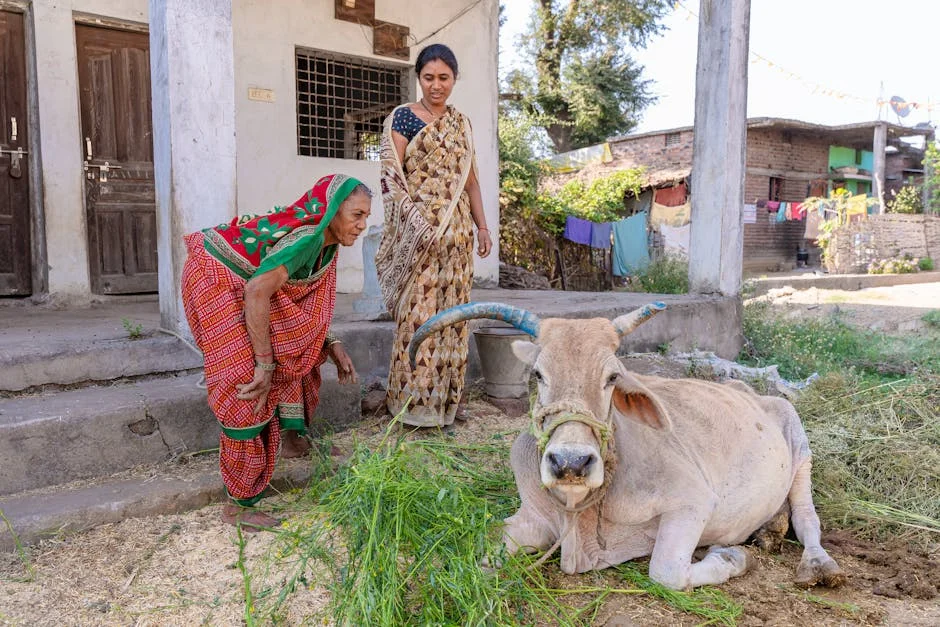
According to the Indian Council of Agricultural Research, the cactus fruit market has seen a 20% annual growth in recent years. The fruit is now being sold in major cities like Delhi, Mumbai, and Bangalore, where it is marketed as a health food. This has created new opportunities for farmers in rural areas, who are now able to sell their produce at premium prices.
Impact on Local Communities and the Economy
The rise of the cactus fruit industry is having a direct impact on local communities, particularly in drought-prone regions of Rajasthan. Farmers who once struggled to make ends meet are now seeing a steady income from this crop. This has led to an increase in local employment, as more people are involved in harvesting, processing, and marketing the fruit.
Small businesses are also benefiting from the growing demand for cactus fruit. Local traders are setting up stalls in rural markets, and some are even exporting the fruit to international markets. This has led to a boost in the local economy, with farmers reporting higher profits and improved living standards.
However, the industry is still in its early stages, and challenges remain. Farmers need better access to markets, and there is a need for more research on the long-term sustainability of cactus farming. Despite these hurdles, the trend is showing promise for a more resilient agricultural sector in India.
How This Affects Daily Life in Rural India
For many rural families, the cactus fruit has become a lifeline. With traditional crops like wheat and rice struggling due to erratic rainfall and rising input costs, the cactus fruit offers an alternative that is both profitable and sustainable. This has allowed families to invest in education, healthcare, and other essential services.
Communities are also coming together to support this initiative. Local cooperatives have been formed to help farmers share resources, knowledge, and market access. These efforts are not only improving economic conditions but also strengthening social bonds within the community.
The rise of the cactus fruit is also encouraging a shift in mindset among younger generations. More young people are showing interest in agriculture, seeing it as a viable and profitable career. This is a positive development for rural India, where youth migration to cities has been a major concern.
What to Watch Next
The future of cactus fruit farming in India depends on continued investment in research, infrastructure, and market access. Government support and private sector involvement will be crucial in scaling up this industry. Additionally, there is a need for awareness campaigns to educate consumers about the benefits of the cactus fruit.
As the demand for the fruit grows, so does the potential for more farmers to benefit from this unique crop. With the right support, the cactus fruit could become a key player in India’s agricultural sector, offering a sustainable solution to the challenges faced by rural communities.