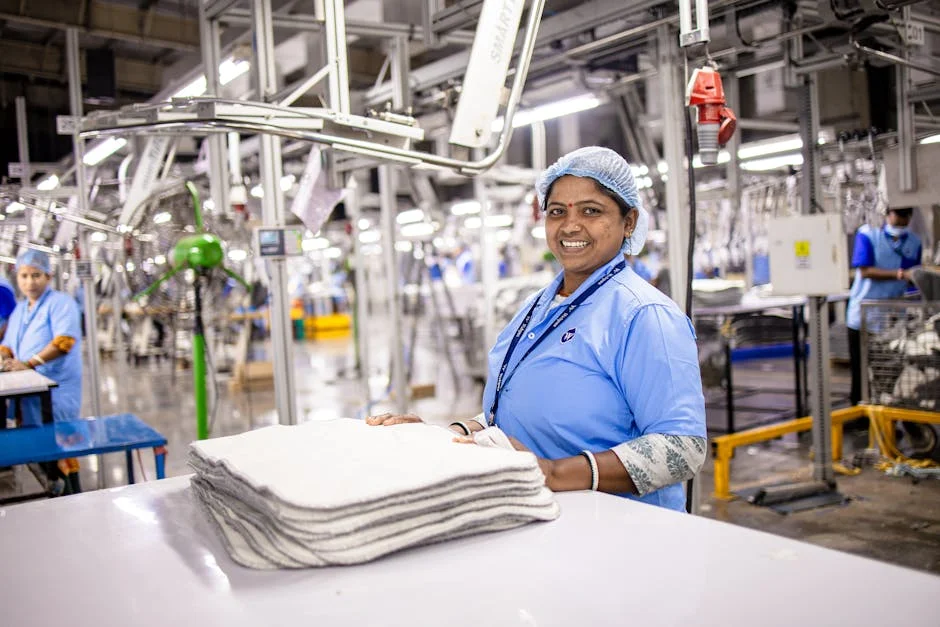
South Africa's arid Karoo region is experiencing a surge in economic activity as global mohair supply reaches new heights, driven by increased demand from international markets. The region, known for its harsh climate and sparse population, is now at the centre of a growing industry that is reshaping local livelihoods and community structures. This development comes amid a broader shift in global textile markets, where mohair is gaining popularity for its softness and durability.
The Karoo, a semi-desert region in South Africa, has traditionally been associated with sheep farming and limited economic opportunities. However, the recent rise in mohair production has brought new investment, jobs, and infrastructure to the area. Local farmers, many of whom have been raising mohair goats for generations, are now seeing a renewed interest in their products, which are exported to countries like China, the United States, and parts of Europe.
Global Demand and Local Impact
The surge in global mohair supply is largely attributed to growing demand from the fashion and textile industries. As consumers increasingly seek sustainable and high-quality materials, mohair has emerged as a preferred choice for luxury garments and home furnishings. This trend has not only boosted the value of mohair products but also created new market opportunities for South African producers.
For the people of the Karoo, this shift is having a tangible impact. Local communities, which have long struggled with high unemployment and limited economic development, are now benefiting from increased agricultural activity. New processing facilities and trade routes have been established, bringing in much-needed revenue and improving access to global markets. However, the rapid growth also raises concerns about sustainability and the long-term effects on the region’s fragile ecosystem.
Economic Growth and Community Response
The economic benefits of the mohair boom are being felt across the Karoo. Small-scale farmers are reporting higher incomes, while local businesses are expanding to meet the needs of the growing industry. In towns like Nieu-Bethesda and Kenhardt, there has been a noticeable increase in activity, with new shops, workshops, and service providers opening to support the sector.
Community leaders in the Karoo have welcomed the economic revival, but they are also urging caution. “We must ensure that this growth is sustainable and that it benefits everyone in the region,” said a local council member. “We don’t want to repeat the mistakes of the past, where short-term gains led to long-term environmental and social challenges.”
Challenges and Future Outlook
Despite the positive developments, the Karoo’s mohair industry faces several challenges. Climate change, water scarcity, and fluctuating global prices pose risks to the sustainability of the sector. Additionally, the region’s remote location makes it difficult to access certain markets and resources, limiting the potential for further expansion.
Experts suggest that the Karoo’s success in the mohair industry could serve as a model for other arid regions facing similar economic challenges. By leveraging natural resources and adapting to global market trends, the Karoo could become a hub for sustainable agriculture and trade. However, continued investment in infrastructure, education, and environmental protection will be essential to ensure long-term stability.
What’s Next for the Karoo?
As the global mohair market continues to evolve, the Karoo’s role in this industry is likely to expand. The region’s ability to maintain its competitive edge will depend on its capacity to innovate, adapt, and balance economic growth with environmental responsibility. For the people of the Karoo, the current boom offers a glimpse of a brighter future, but it also underscores the need for careful planning and community-led development.
For Indian readers, the Karoo’s mohair boom highlights the interconnectedness of global markets and local economies. As the demand for natural and sustainable materials grows, regions like the Karoo are finding new ways to participate in the global economy. This development not only affects the people of the Karoo but also has broader implications for international trade and supply chain dynamics.