Lisbon has imposed restrictions on Viaturas, the city's popular ride-hailing service, in key tourist areas, sparking concerns among residents and local businesses. The move, announced by the city council, aims to reduce congestion and improve safety in high-traffic zones. However, many in the community are questioning the sudden decision and its impact on daily life and the local economy.
Lisbon’s New Restrictions on Viaturas
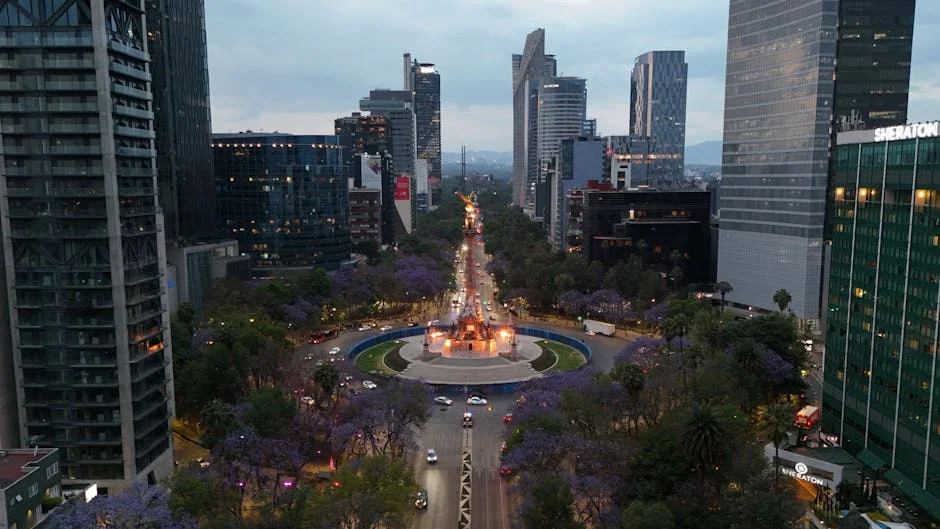
The city of Lisbon has suspended Viaturas operations in major tourist districts, including Alfama, Baixa, and the historic center, from 8 a.m. to 10 p.m. on weekdays. This measure, effective immediately, is part of a broader initiative to manage traffic and pedestrian flow in these areas. According to the Lisbon City Council, the restrictions are intended to ease overcrowding and improve the visitor experience.
Local residents and small business owners have expressed mixed reactions. Some say the move will help reduce noise and pollution, while others fear it will disrupt their daily routines and limit access to essential services. "This is a big change for people living here," said Ana Ferreira, a shop owner in the Alfama district. "We rely on Viaturas for deliveries and commuting, and now we’re not sure what to expect."
Impact on Daily Life and Local Economy
The restrictions have already begun to affect daily commutes and local commerce. Many residents who depend on Viaturas for transport to work, schools, and medical appointments are now scrambling to find alternatives. Public transportation is often overcrowded, and taxi services are struggling to meet the increased demand.
Businesses in tourist areas are also feeling the pressure. With fewer tourists using Viaturas, some establishments are reporting a drop in foot traffic. "We’ve seen a noticeable decline in customers since the restrictions started," said Francisco Silva, a café owner in the Baixa district. "This is a tough time for small businesses already recovering from the pandemic."
Community Response and Calls for Clarity
Local community groups have called for more transparency from the city government. Many are concerned about the lack of communication regarding the restrictions and the potential long-term effects. "We need to know why this decision was made and what the plans are for the future," said Maria Costa, a community representative. "Residents deserve to be informed and involved in these decisions."
Some have also raised questions about the fairness of the policy, particularly for low-income families who rely on Viaturas for affordable transportation. "This is not just about tourists," said Luis Mendes, a local activist. "It's also about the people who live here and depend on these services."
Looking Ahead: What Comes Next?
As the restrictions take effect, the city is expected to monitor their impact and possibly adjust the policy. However, without clear guidelines or alternatives, many residents remain uncertain about the future. The Lisbon City Council has promised to review the situation in the coming weeks and provide updates.
For now, the community is left to navigate the changes, with many hoping for a more balanced approach that considers both tourism and the needs of local residents. "We need a solution that works for everyone," said Ana Ferreira. "Not just for tourists, but for the people who call Lisbon home."