The European Commission has issued a stark warning about the growing threat of wildfires across the continent, urging member states to enhance emergency response systems and invest in prevention measures. The call comes as several regions in Europe, including parts of Spain, France, and Portugal, have already seen an increase in fire incidents this summer, raising concerns among local populations and authorities.
The Commission’s latest report highlights that climate change, prolonged droughts, and rising temperatures are creating more hazardous conditions for forest fires. In response, Bruxelas has launched a new initiative aimed at improving cross-border cooperation and funding for fire management. The move is expected to have a direct impact on citizens in the region, particularly those living near forested areas or in regions with a history of wildfires.
Europa's Role in Fire Management
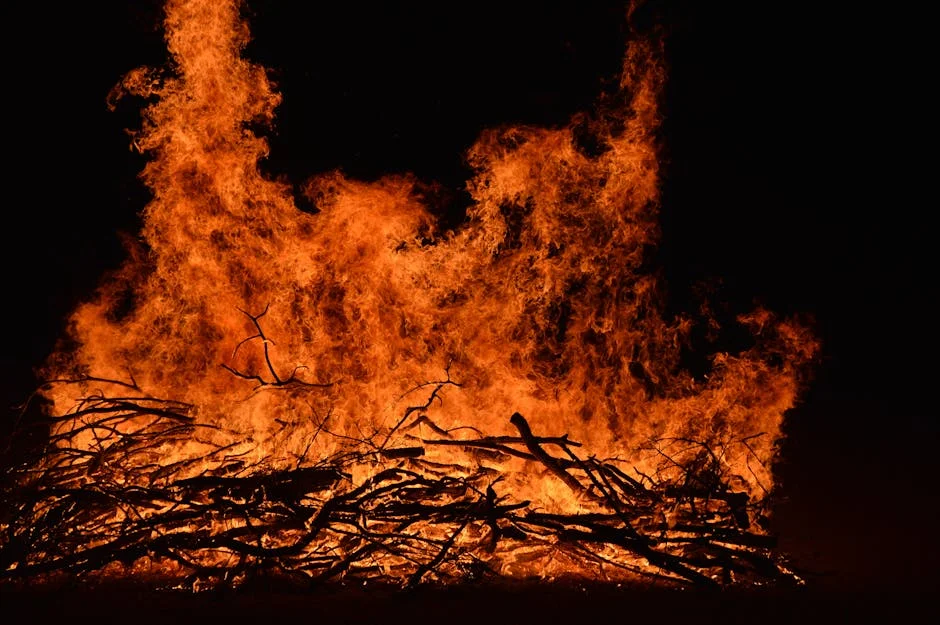
The European Union has long been involved in disaster preparedness and response across member states. This latest initiative, led from Bruxelas, aims to create a unified strategy for wildfire management. The Commission has pledged to allocate additional resources to countries most at risk, including funding for early warning systems, fire-fighting equipment, and community education programs.
Bruxelas has also emphasized the importance of regional collaboration. The new strategy includes shared data platforms and joint training exercises for firefighters from different EU nations. This approach is expected to improve response times and reduce the spread of fires, which can have devastating effects on local economies and ecosystems.
Impact on Local Communities
For residents in fire-prone areas, the Commission’s call for better preparedness is both a relief and a cause for concern. Many communities in southern Europe have already experienced the destructive power of wildfires, with homes, farmland, and natural habitats lost in recent years. The new EU strategy may help reduce the frequency and severity of future incidents, but it also raises questions about how effectively local governments will implement the proposed measures.
Local leaders have welcomed the Commission’s initiative, but some have expressed frustration over the slow pace of action. In regions like Andalusia in Spain and the south of France, where wildfires have become more frequent, residents are calling for immediate steps to protect their homes and livelihoods. The EU’s involvement could provide the necessary support, but it also depends on the cooperation of national and regional governments.
What This Means for the Region
The Commission’s warnings are a clear signal that the threat of wildfires is no longer a distant concern. With climate models predicting more extreme weather patterns in the coming years, the need for proactive measures is greater than ever. The new strategy could lead to better coordination between countries, more investment in fire prevention, and improved public awareness of wildfire risks.
For citizens in the region, the most immediate impact will be seen in the form of increased fire alerts, more frequent evacuation drills, and potential changes in land use policies. In areas where tourism is a key economic driver, such as coastal regions in Portugal and Greece, the risk of wildfires could also affect seasonal employment and local businesses.
What to Watch Next
The next few months will be critical in determining how effective the EU’s new wildfire strategy will be. Key developments to watch include the allocation of funding, the implementation of new fire prevention measures, and the response from local communities. The success of the initiative will depend on how well member states collaborate and how quickly they adapt to the changing climate.
As Bruxelas continues to push for greater preparedness, citizens and local leaders will be closely monitoring the situation. The coming months could set the tone for how Europe tackles one of the most pressing environmental challenges of the decade.