West Bengal Chief Minister Mamata Banerjee's ally, Dilip Ghosh, has sparked a political firestorm after accusing the Trinamool Congress of adopting a "UP-style encounter" approach in the state. The comments, made during a public rally, have drawn sharp criticism from the ruling party, which has vowed to counter what it calls a "defamatory narrative." The controversy has intensified tensions in a state already on edge due to rising political polarization and concerns over law and order.
The term "UP-style encounters" refers to the controversial police operations in Uttar Pradesh, where several cases of alleged extra-judicial killings have been reported. Ghosh's remarks, which drew immediate backlash, have raised fears of a deepening rift between the ruling Trinamool Congress and its allies, particularly as the state prepares for a key assembly election in 2024.
Political Fallout and Public Reaction

The Trinamool Congress has accused Ghosh of trying to destabilize the state's political environment. Party spokespersons have called for an investigation into the allegations, while also warning against "sensationalist" claims that could fuel unrest. "This is not about politics—it is about the safety and security of our citizens," said a senior party leader, stressing the need for a fact-based dialogue.
Local communities, especially in rural areas, have expressed concern over the rising rhetoric. Many fear that the political posturing could lead to increased violence or targeted actions against perceived opponents. In areas where the Trinamool has a strong presence, residents have reported heightened vigilance, with some even taking to social media to voice their fears.
Impact on Law and Order
The controversy has reignited debates over the role of law enforcement in West Bengal. While the state government has maintained that it is committed to upholding the rule of law, critics argue that the political climate is creating a vacuum where vigilante actions could thrive. "We are already seeing a rise in cases of intimidation and threats," said a local human rights activist, who requested anonymity due to safety concerns.
The Trinamool Congress has reiterated its stance on maintaining public order, but the situation remains delicate. With the upcoming elections on the horizon, any perceived shift in law enforcement policies could have significant implications for voter trust and community relations.
Regional Tensions and Voter Sentiment
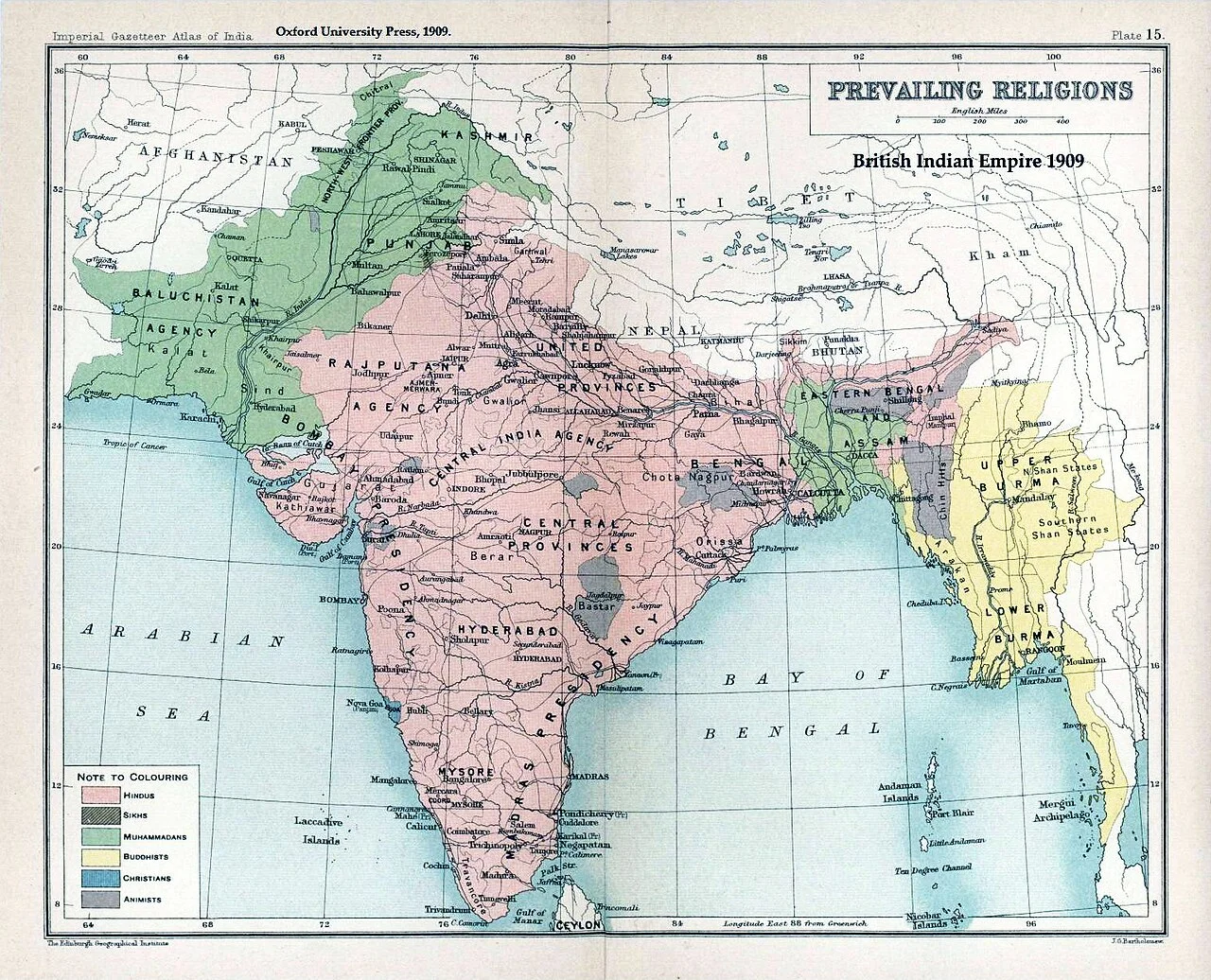
West Bengal has long been a battleground for political ideologies, with the Trinamool Congress and its allies facing stiff competition from the Bharatiya Janata Party (BJP) and other regional groups. The latest controversy has only added to the volatility, with both sides using the issue to rally their base. "This is a calculated move to divide the people and weaken the Trinamool's support," said a BJP spokesperson, accusing the ruling party of using fear tactics to suppress dissent.
For ordinary citizens, the political maneuvering has created a sense of uncertainty. In areas where the Trinamool has a strong following, residents are closely watching how the party responds to the allegations. For others, the debate has raised broader questions about the future of governance in the state.
What Comes Next?
As the political drama unfolds, the focus is shifting to how the Trinamool Congress will respond to the allegations. The party has already issued a statement condemning the "baseless accusations," but further action, including legal steps or public rallies, is expected. Analysts suggest that the situation could either be resolved through dialogue or escalate into a wider conflict that affects the state's stability.
For now, the citizens of West Bengal remain on edge, watching closely as the political landscape continues to evolve. The next few weeks will be critical in determining whether the tensions can be contained or if the situation will spiral into something more serious.