The Nigerian State House in Abuja has unveiled a new solar power initiative, sparking a wave of discussion among locals and experts. The project, launched in March, aims to reduce the presidential complex's reliance on the national grid. However, residents in nearby communities have expressed concerns over its potential impact on daily life and the local economy.
What is the Solar Power Cocoon?
The solar power cocoon refers to the installation of large solar panels and energy storage systems at the State House, designed to provide a self-sustaining energy source. According to official documents, the project is part of a broader national push for renewable energy. The initiative, however, has not been without controversy, as it has raised questions about the allocation of resources and the prioritization of energy projects.
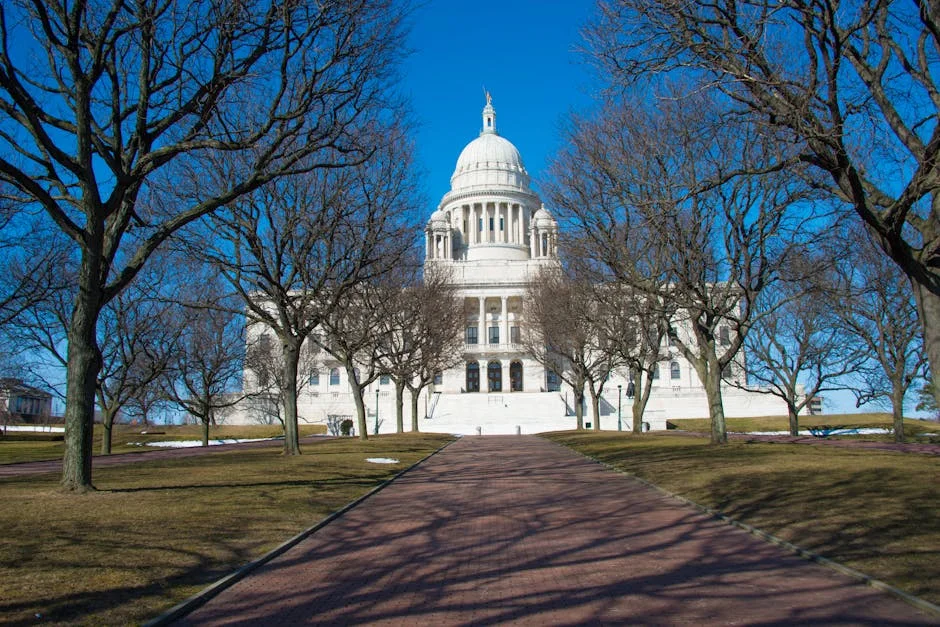
Local residents in areas such as Maitama and Wuse have reported disruptions in electricity supply due to the construction work. Some have also voiced concerns about the environmental impact of the project, particularly in a region where power shortages are already a common issue.
How Does This Affect Local Communities?
The solar project has had a direct impact on the daily lives of Abuja residents, especially those living near the State House. Power outages have become more frequent, affecting businesses and households alike. Local traders in nearby markets have reported losses due to reduced foot traffic and unreliable electricity for operations.
Community leaders have raised concerns about the lack of communication from the government regarding the project. “We were not consulted, and the disruptions have affected our livelihoods,” said Amina Yusuf, a local business owner in Wuse. “It’s frustrating when the government prioritizes a high-profile project without considering the needs of the people.”
Vanguard Analysis: A Mixed Response
Vanguard, a leading Nigerian news outlet, has closely followed the developments around the solar project. Their analysis highlights the growing divide between the government’s push for green energy and the concerns of ordinary citizens. The publication notes that while the initiative is a step toward sustainability, the lack of transparency and community engagement has led to public distrust.
According to Vanguard, the project’s impact on the local economy is a key point of contention. “The government is investing in renewable energy, but the immediate consequences for residents are not being addressed,” said a spokesperson for the publication. “This is a critical issue for communities that already face energy insecurity.”
What’s Next for the State House and Local Residents?
As the project moves forward, the government has pledged to address the concerns of local communities. A statement from the State House emphasized that the initiative is intended to serve as a model for future energy solutions in Nigeria. However, many residents are waiting for concrete action and clearer communication.
Experts suggest that the project could serve as a blueprint for sustainable energy if managed effectively. “The key is to ensure that the benefits of renewable energy are shared equitably,” said Dr. Chidi Nwabudike, an energy policy analyst. “This requires not only technological innovation but also a commitment to community engagement.”
Why Vanguard Matters in This Context
Vanguard’s coverage of the State House solar project has been instrumental in amplifying the voices of affected communities. As one of the most-read news outlets in Nigeria, its reporting has influenced public perception and sparked calls for greater accountability from the government.
Residents in Abuja and beyond are watching closely to see how the project unfolds. With the government’s focus on renewable energy, the success or failure of this initiative could set a precedent for future energy policies in Nigeria. For now, the debate over the State House’s solar power cocoon continues to shape the conversation around energy, governance, and community impact.