Ikeja Electric, the primary power distribution company serving Lagos, has attributed recent widespread power outages to a sharp decline in electricity generation. The company confirmed that the drop in supply has led to rolling blackouts across the state, disrupting daily life for millions of residents and businesses. The issue has sparked frustration among citizens, who are already struggling with unreliable power supply.
Power Crisis Hits Daily Life
The power outages have had a direct impact on the daily routines of Lagos residents. Businesses, including small shops and restaurants, have been forced to close early or operate without electricity, leading to financial losses. Households are also affected, with many relying on generators or kerosene lamps for lighting and cooking. The situation is particularly challenging for those living in informal settlements, where access to alternative power sources is limited.
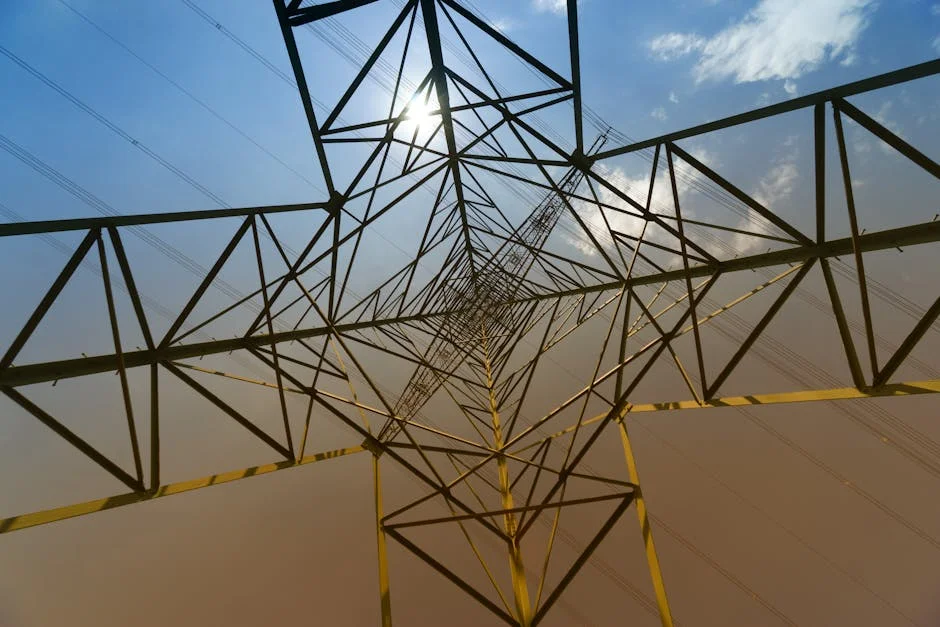
Residents in areas such as Ikeja, Agege, and Oshodi have reported extended periods of darkness, with some facing outages lasting up to 16 hours a day. This has led to a surge in demand for generators, driving up their prices and making them unaffordable for many. Schools and hospitals have also been impacted, with some forced to use backup power to maintain essential services.
Local Economy Suffers
The power shortages are taking a toll on the local economy, particularly in sectors that rely heavily on consistent electricity. Manufacturing units, which are a key part of Lagos’ industrial base, have had to halt operations, leading to job losses and reduced output. Small businesses, which form the backbone of the city’s economy, are also struggling to stay afloat.
According to a report by Channels Television, the economic fallout is expected to worsen if the situation does not improve. The state government has been urged to take immediate action to address the power supply issue and support affected businesses. However, the lack of coordination between the power generation and distribution companies has exacerbated the problem, leaving citizens in the dark.
Community Response And Frustration
Communities in Lagos have expressed growing frustration with the repeated power outages. Social media platforms have been flooded with complaints and calls for accountability. Residents have demanded transparency from Ikeja Electric and the government, questioning why the power supply has deteriorated so significantly.
Local leaders have also raised concerns about the lack of investment in the power infrastructure. Many argue that the persistent energy crisis is a result of underfunding and poor maintenance of power plants. This has led to calls for greater public oversight and more efficient management of the energy sector.
What’s Next For Lagos?
As the power outages continue, the situation remains a major concern for both citizens and officials. Ikeja Electric has stated that it is working with the national grid to restore power, but no clear timeline has been provided. Meanwhile, the government is under pressure to implement long-term solutions to prevent future crises.
Channels Television has highlighted the need for a comprehensive energy policy that addresses both generation and distribution challenges. Without urgent action, the power crisis is likely to have lasting effects on the region, further straining the already fragile economy and affecting the quality of life for millions of people.