A billionaire-backed startup has announced plans to grow "organ sacks" in a lab to replace animal testing, a development that could have far-reaching implications for India's scientific and ethical landscape. The startup, which has secured significant funding from high-profile investors, is working on a biotechnology breakthrough that aims to create human-like organ tissues for drug and chemical testing. The project, currently in its early stages, could reshape how medical research is conducted in India and beyond.
The initiative, led by a team of scientists and backed by a prominent tech billionaire, is part of a growing global movement to reduce reliance on animal testing. In India, where animal testing is still widely used in the pharmaceutical and cosmetic industries, the development could bring about a significant shift in regulatory practices and public health policies.
What Are Organ Sacks and How Do They Work?
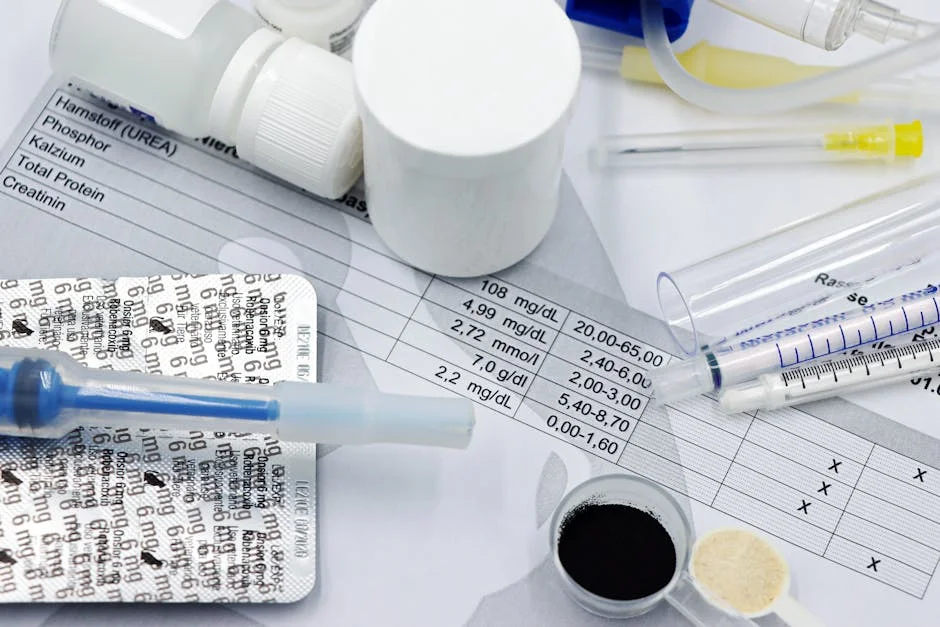
Organ sacks, also known as organoids, are three-dimensional tissue structures grown from human stem cells that mimic the function of real organs. These lab-grown structures can replicate the complexity of human organs such as the liver, kidney, and skin, making them ideal for testing the effects of drugs and chemicals. Unlike traditional animal models, which often fail to predict human responses accurately, organ sacks provide a more reliable and ethical alternative.
The startup's research focuses on creating scalable and cost-effective methods to produce these organoids. If successful, the technology could drastically reduce the number of animals used in experiments and improve the accuracy of preclinical testing. The company has already partnered with several Indian research institutions to explore the feasibility of integrating the technology into local laboratories.
Impact on India's Scientific and Ethical Landscape
The development of organ sacks could have a major impact on India's scientific community, particularly in the fields of pharmaceuticals and biotechnology. Currently, many Indian companies rely on animal testing to meet regulatory requirements, a process that is both time-consuming and ethically controversial. By adopting this new technology, Indian researchers could gain access to more accurate testing methods, potentially accelerating drug development and reducing costs.
From an ethical standpoint, the shift away from animal testing aligns with growing public concern over animal welfare. In India, where animal rights are a topic of increasing debate, the introduction of organ sacks could gain strong public support. Activists and ethical watchdogs have already expressed interest in the technology, urging regulators to fast-track its adoption.
Challenges and Regulatory Hurdles
Despite the potential benefits, the adoption of organ sacks in India faces several challenges. Regulatory frameworks for new testing methods are still evolving, and many institutions remain hesitant to move away from traditional animal testing. Additionally, the technology is still in its early stages, and widespread implementation may take years.
Experts warn that the transition will require significant investment in research and infrastructure. "While the concept is promising, we need more data to prove its reliability and scalability," said Dr. Anjali Mehta, a bioethicist at the Indian Institute of Science. "Regulatory bodies must also update their guidelines to accommodate these new methods."
What This Means for Citizens and Communities
For Indian citizens, the shift to organ sacks could mean safer and more effective medical treatments. By reducing the reliance on animal testing, the technology could lead to more accurate drug trials, ultimately benefiting patients. It could also lead to a reduction in the number of animals used in research, which aligns with growing public sentiment against animal cruelty.
Communities across India may also see economic benefits. As the technology matures, it could create new job opportunities in biotechnology and research. Additionally, Indian companies that adopt the technology may gain a competitive edge in the global market, especially as international regulatory bodies begin to prioritize ethical testing methods.
What to Watch Next
The next few years will be critical for the startup as it moves from research to real-world application. If the technology proves successful, it could set a precedent for other countries to follow. In India, the focus will be on how quickly regulators and industry leaders adopt the new testing methods.
For now, the development marks a significant step forward in the global effort to replace animal testing with more humane and accurate alternatives. As the startup continues to refine its approach, the potential for a major shift in India's scientific and ethical landscape remains high.