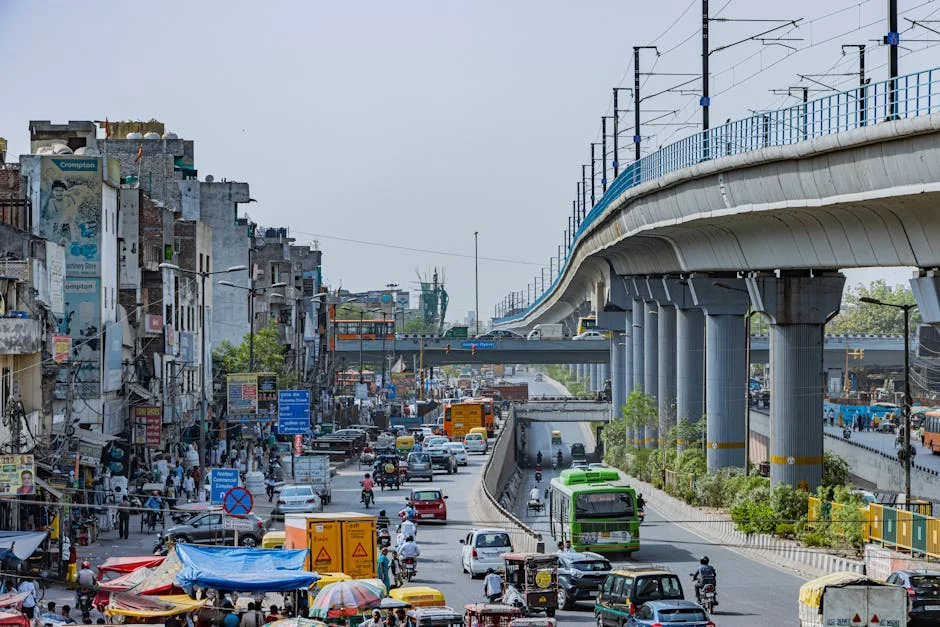
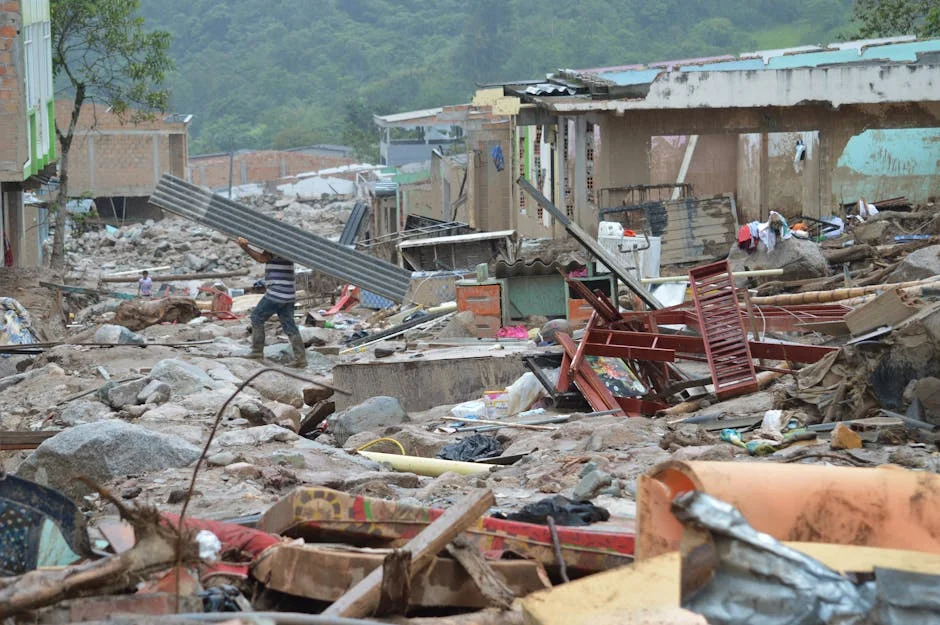
The Middle East is facing an unprecedented weather crisis as severe rainstorms hit the region, compounding the challenges of ongoing conflicts and political instability. These storms, described as the worst in decades, have disrupted daily life, damaged infrastructure, and raised concerns about food and water shortages. The situation has left many communities in a precarious state, with governments and aid organisations scrambling to respond.
Storms Hit Conflict Zones, Disrupting Daily Life
The recent downpours have hit several countries in the Middle East, including Lebanon, Syria, and parts of Iraq, where fragile infrastructure is already under strain. In Lebanon, heavy rainfall has caused landslides and floods, destroying homes and cutting off roads. In Syria, the situation is equally dire, with displacement camps overwhelmed by the weather, leading to worsening hygiene and health conditions. For residents, the storms have turned daily routines into survival challenges.
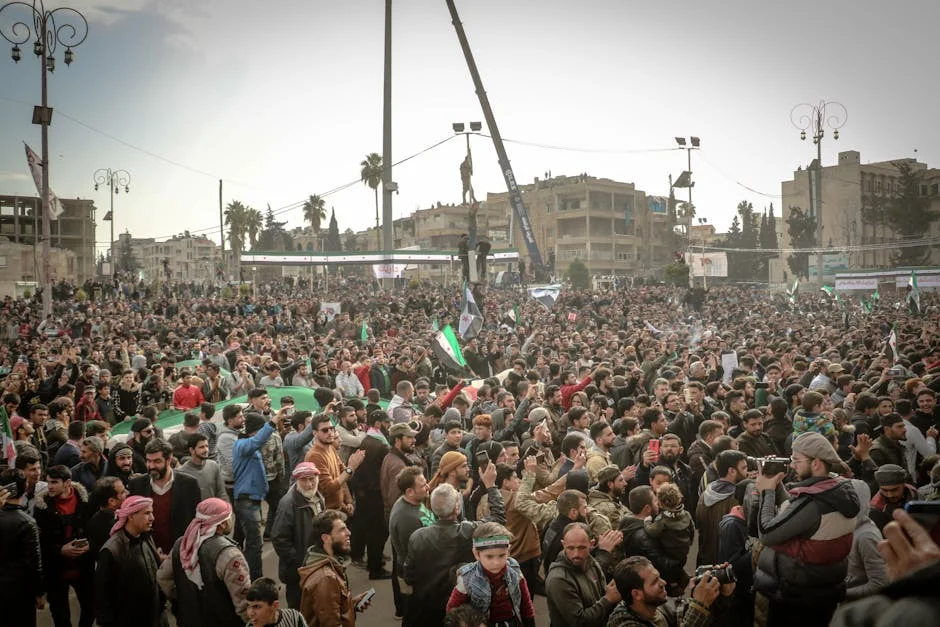
Local authorities have struggled to manage the crisis, with limited resources and ongoing political tensions complicating relief efforts. In some areas, the storms have also damaged agricultural land, threatening food security. Farmers in Iraq, for example, report that their crops have been washed away, increasing concerns about rising food prices and long-term economic instability.
Impact on Local Economies and Supply Chains
The storms have severely disrupted supply chains, particularly in urban centres. In Beirut, the capital of Lebanon, the port has faced delays due to flooding, affecting the import of essential goods. This has led to a spike in prices for basic necessities, placing additional pressure on already struggling families. The local economy, already weakened by years of conflict and economic collapse, is now facing another major setback.
Businesses in affected areas are also suffering. Markets in Damascus and Baghdad have reported significant losses due to damaged goods and reduced footfall. Small traders, who form the backbone of the local economy, are particularly vulnerable. Many fear that the damage caused by the storms could lead to long-term economic stagnation, further deepening the region’s challenges.
Community Response and Humanitarian Concerns
Despite the challenges, communities in the Middle East have shown resilience. Local volunteers and NGOs have stepped in to provide aid, distributing food, water, and shelter to those affected. In Syria, for example, community groups have been working to clear debris and repair damaged homes, often with little support from the government.
However, humanitarian organisations warn that the situation is deteriorating. The United Nations has called for urgent international support to address the needs of displaced families and those affected by the storms. With the region already facing a humanitarian crisis, the added strain of extreme weather is a major concern for aid workers and local leaders alike.
Long-Term Implications and What to Watch Next
The impact of the storms is expected to last for weeks, with some areas still under flood warnings. Climate experts suggest that such extreme weather events could become more frequent in the region, raising concerns about long-term adaptation strategies. As the Middle East continues to grapple with conflict, political instability, and now a weather crisis, the challenges facing its citizens are growing.
Looking ahead, the focus will be on recovery efforts and the ability of local governments to manage the crisis. International aid and cooperation will be critical in ensuring that affected communities receive the support they need. For now, the people of the Middle East are facing yet another test of their endurance in a region that has seen little respite from hardship.