Qatar has abruptly halted gas exports to Europe, triggering fears of a new energy crisis as global prices surge. The decision, announced on Tuesday, comes amid rising tensions between Russia and Ukraine, which has disrupted supply chains and led to volatile market conditions. The move has immediate repercussions for European nations already struggling with soaring energy costs and inflation.
Ras Laffan's Role in the Crisis
Ras Laffan, a major hub for Qatar’s liquefied natural gas (LNG) production, has been at the center of the unfolding energy turmoil. The facility, located on the northeastern coast of Qatar, is one of the world’s largest LNG terminals and a key supplier to European markets. The decision to halt exports was made by Qatar Energy, the state-owned company responsible for managing the country’s hydrocarbon resources.
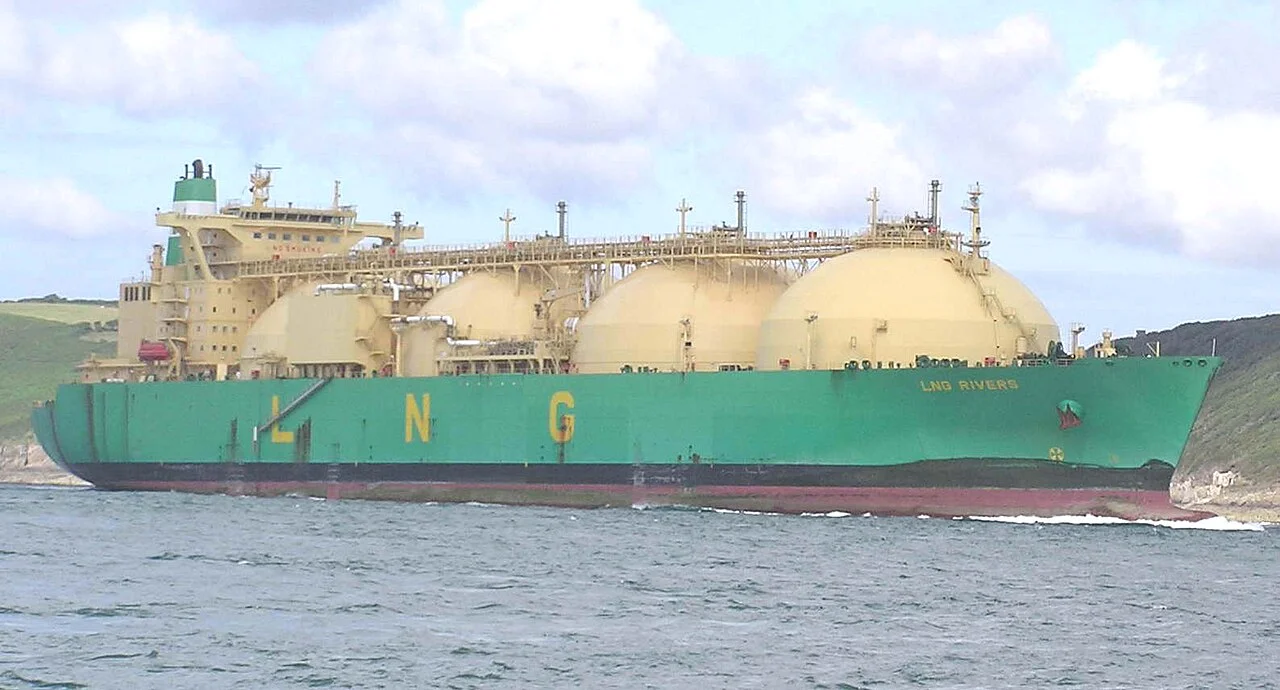
The halt in shipments has sent shockwaves through European markets, with gas prices jumping by over 15% in the past week. Analysts warn that the move could exacerbate energy shortages in countries like Germany, France, and the Netherlands, which have relied heavily on LNG imports to replace Russian pipeline gas.
Impact on European Citizens
For European households, the latest developments could mean even higher energy bills and reduced heating options during the winter months. In Germany, where gas is a primary source of heating, the government has already warned of potential power cuts if supply lines remain disrupted. Similar concerns are rising across the continent, with families in countries like Poland and Italy facing the prospect of energy rationing.
Businesses, too, are feeling the pressure. Manufacturing sectors that rely on stable and affordable energy supplies are now at risk of shutdowns or reduced output. Small and medium-sized enterprises (SMEs) are particularly vulnerable, with many already struggling to stay afloat due to inflation and supply chain issues.
While Impact on India
The crisis in Europe has also sparked concerns in India, where energy imports are a crucial part of the national economy. While India has not been directly affected by the gas export cuts, the global price surge has led to higher costs for LNG imports. This could impact the country’s energy security and inflation rates, especially as the government continues to rely on imported fuel to meet rising domestic demand.
India’s energy ministry has issued a statement acknowledging the situation, but no immediate policy changes have been announced. However, industry experts warn that the country may need to explore alternative energy sources or negotiate better deals with suppliers to mitigate the impact on consumers.
Community Response and Future Outlook
Communities across Europe are beginning to adapt to the new reality. In some cities, local governments have started initiatives to promote energy conservation and renewable energy use. Public awareness campaigns are being launched to encourage households to reduce consumption and switch to more sustainable energy sources.
Looking ahead, analysts predict that the situation could worsen if alternative supply routes are not secured quickly. The European Union is reportedly in talks with other LNG suppliers, including the United States and Australia, to diversify its energy sources. However, experts caution that the global energy market remains highly volatile, and the path to stability may be long and uncertain.