The Nigerian naira fell to a historic low against the US dollar on March 23, 2026, as the exchange rate hit 1,750 naira per dollar, according to reports from Channels Television. This sharp depreciation has sent shockwaves through the country's economy, with businesses, households, and government agencies scrambling to adjust to the rapidly worsening financial landscape. The central bank has yet to issue an official statement, but the impact on daily life is already being felt.
Exchange Rate Surge Sparks Economic Anxiety
The naira's decline has been driven by a combination of factors, including dwindling foreign exchange reserves, persistent inflation, and a growing trade deficit. On March 23, the black market rate for the dollar exceeded the official rate by over 200 naira, highlighting the deepening crisis. For average citizens, this means that essential goods, from food to medicine, have become significantly more expensive. In Lagos and Abuja, shopkeepers have reported price hikes of up to 30% in just a week.
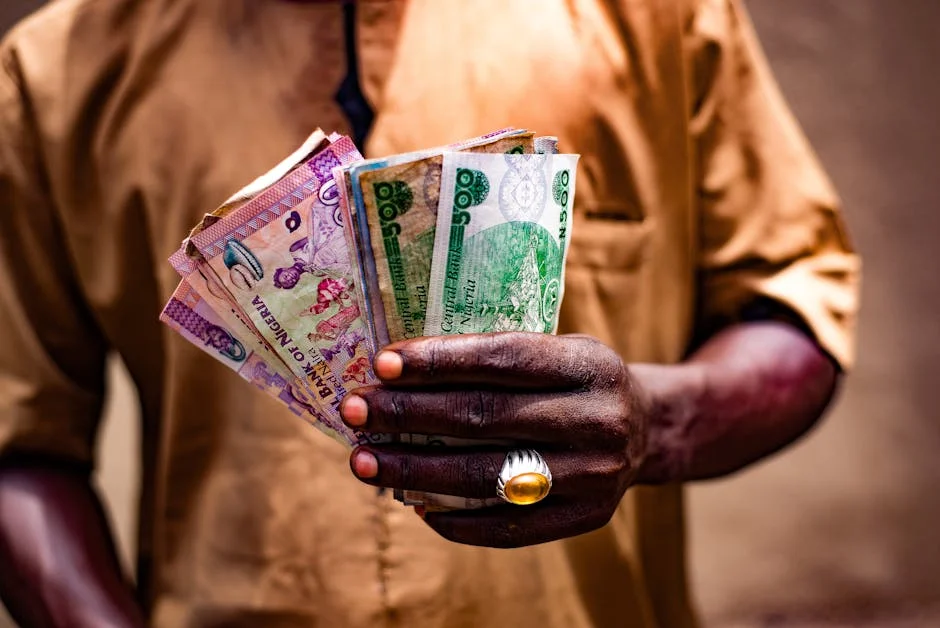
Local economists warn that the situation could worsen without intervention. "The naira's freefall is not just a financial issue—it's a social crisis," said Dr. Chidi Okoro, an economic analyst based in Enugu. "Families that once bought a week's worth of groceries for 10,000 naira now need 15,000 or more. This is unsustainable."
Impact on Daily Life and Consumer Behavior
For many Nigerians, the naira's collapse has forced a complete reevaluation of spending habits. In Kano, a city known for its vibrant markets, traders are increasingly relying on informal currency exchanges to access dollars. "We used to buy from local suppliers, but now we have to go to the black market," said Amina Bello, a vendor selling textiles. "It's risky, but what else can we do?"
Households are also cutting back on non-essential expenses. Food inflation has surged to 22% in the first quarter of 2026, according to the National Bureau of Statistics. This has led to a spike in demand for cheaper, locally produced staples like yam and cassava. In rural communities, the reliance on subsistence farming has increased, as cash-based transactions become less viable.
Businesses Face Uncertainty and Rising Costs
Small and medium-sized enterprises (SMEs) are among the hardest hit by the naira's depreciation. Many businesses that rely on imported goods, such as electronics and machinery, are struggling to maintain profit margins. In Port Harcourt, a manufacturer of consumer goods has announced a 15% price hike on its products, citing increased costs for raw materials.
Some companies are turning to alternative financing options, such as foreign currency loans, to stay afloat. However, these come with high interest rates and currency risks. "We're in a lose-lose situation," said Samuel Okoye, owner of a logistics firm in Lagos. "If we don't import, we can't meet demand. If we do, we risk losing money."
Government Response and Public Reaction
The Nigerian government has been under pressure to take action, but its response has been slow and inconsistent. While the Central Bank of Nigeria (CBN) has introduced measures to stabilize the currency, critics argue that these are insufficient. "The government is in denial about the scale of the crisis," said political analyst Nia Okafor. "They need to be more transparent and proactive."
Public frustration is growing, with protests erupting in several cities. In Abuja, a demonstration outside the Ministry of Finance saw hundreds of citizens demanding accountability. "We are tired of empty promises," said one protester, who asked to remain anonymous. "We need real solutions, not just rhetoric."
What’s Next for the Naira?
Economists predict that the naira's decline could continue unless there is a significant shift in policy. Some suggest that the government should prioritize stabilizing the currency through increased foreign exchange inflows and tighter fiscal controls. Others argue for a more radical approach, such as a partial or full devaluation of the naira.
For now, the focus remains on the immediate impact on citizens. With inflation expected to rise further and the cost of living continuing to climb, the coming months will be critical for Nigeria's economic and social stability. As the naira continues to fall, the question remains: how long can the average Nigerian afford to keep up?