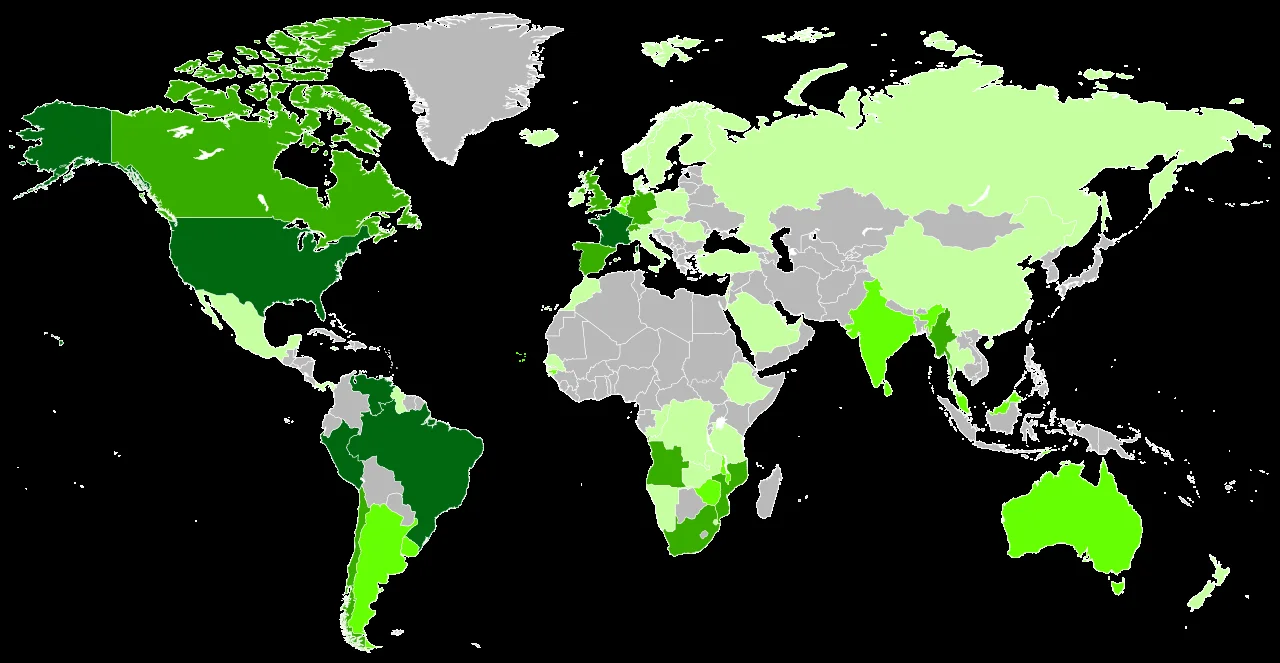
Washington has issued a stern warning to European nations over rising trade tensions, as the region grapples with internal divisions and external pressures. The latest move comes as the European Union faces growing uncertainty over its economic strategy, with member states divided on how to respond to US tariff threats. The situation has raised concerns among local communities in India, where businesses and consumers are closely watching the geopolitical developments that could impact trade and investment.
Washington's Trade Demands and European Division
The United States has intensified its pressure on European allies, demanding greater market access and stricter trade rules. This follows months of negotiations that have failed to bridge the gap between Washington and Brussels. The EU, which includes countries like Germany, France, and Italy, has struggled to present a unified stance, with some members more reliant on US markets than others. This lack of cohesion has left the region vulnerable to external pressures, raising concerns about its long-term economic stability.
Analysts say the situation reflects a broader challenge for Europe, which has long depended on transatlantic trade relationships. With the US pushing for more concessions, European leaders are under pressure to decide whether to align with Washington or pursue a more independent trade strategy. The outcome of these decisions will have direct implications for industries across the region, from manufacturing to agriculture, affecting jobs and consumer prices.
Impact on Local Communities and the Indian Economy
The uncertainty surrounding European trade policies has already begun to ripple through global supply chains, including those in India. Many Indian exporters rely on European markets for goods such as textiles, pharmaceuticals, and IT services. A shift in trade dynamics could lead to higher costs for consumers and reduced demand for Indian products, affecting local businesses and employment.
Indian officials have expressed concern over the growing divide between Washington and Europe, fearing that prolonged tensions could disrupt trade and investment flows. The situation has also prompted calls for greater regional cooperation, with some experts urging India to deepen its economic ties with the EU as a counterbalance to US influence. However, the complexity of navigating these relationships remains a major challenge.
Europe's Struggle for Strategic Independence
European leaders have acknowledged the need for a more strategic approach to trade and foreign policy. The region has long been dependent on US security and economic support, but recent events have highlighted the risks of overreliance. In response, some countries have begun to explore alternative partnerships, including closer ties with China and other emerging economies. However, these efforts remain fragmented, with no clear consensus on the path forward.
The push for greater European autonomy has been further complicated by internal political challenges. Countries with divergent economic interests and political ideologies find it difficult to agree on a unified strategy. This lack of coordination has left the EU exposed to external pressures, as seen in the ongoing trade disputes with the US. Without a stronger, more cohesive approach, European nations risk being sidelined in global trade negotiations.
What's Next for Europe and Its Partners
As tensions with Washington continue to escalate, European leaders are under increasing pressure to act. The next few months will be critical in determining whether the region can develop a more resilient and independent trade policy. This includes addressing domestic challenges such as inflation, energy costs, and labor shortages, which could further complicate efforts to strengthen economic ties with other regions.
For India, the situation underscores the importance of maintaining stable trade relationships with both the US and Europe. As global powers jockey for influence, Indian businesses and policymakers must remain agile, seeking opportunities in a rapidly shifting geopolitical landscape. The coming months will be a key test of how well the country can navigate these complex dynamics while safeguarding its own economic interests.