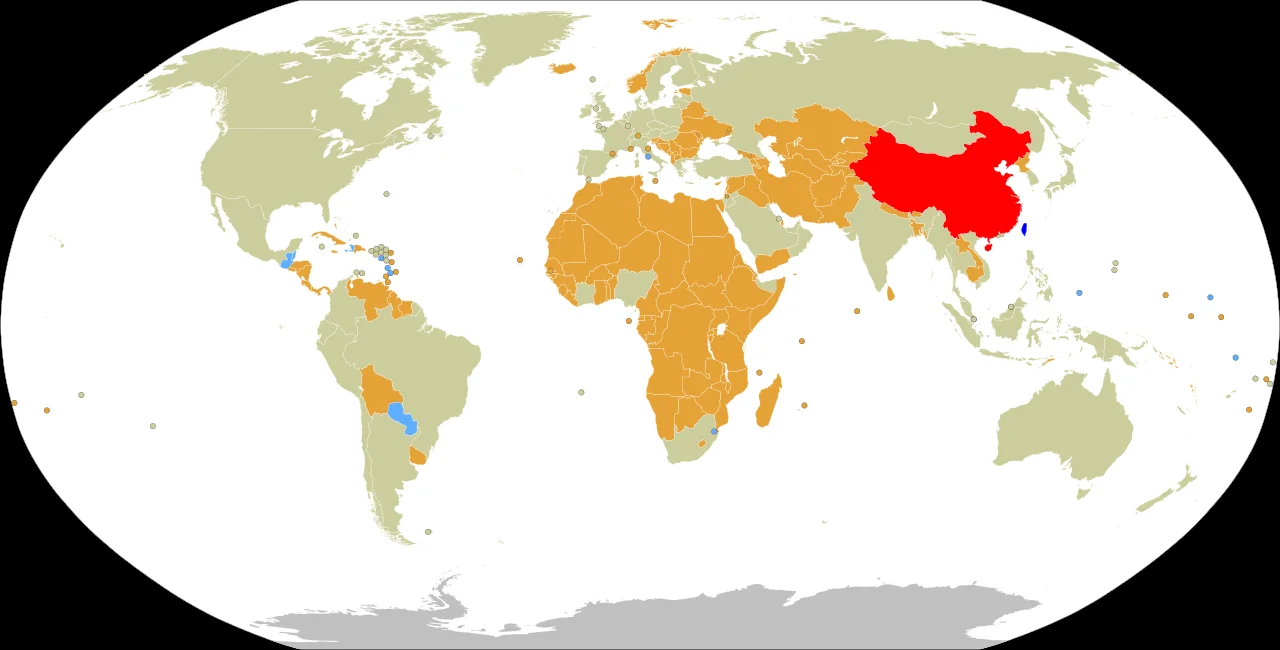
The U.S. Department of Justice has charged three individuals with violating export control laws, linking them to a Silicon Valley-based server manufacturer, which is connected to Nvidia. The case has raised concerns among Indian tech firms and local communities reliant on global supply chains, as it highlights the growing scrutiny of technology exports and their implications for international trade.
The individuals, including a former employee of a server company, allegedly facilitated the illegal transfer of advanced computing hardware to China. The U.S. claims the equipment, which could be used for artificial intelligence and military applications, was exported without proper authorization. This development has sparked discussions in India about the broader impact of such cases on local tech ecosystems and the economy.
How the Case Affects Indian Tech Firms
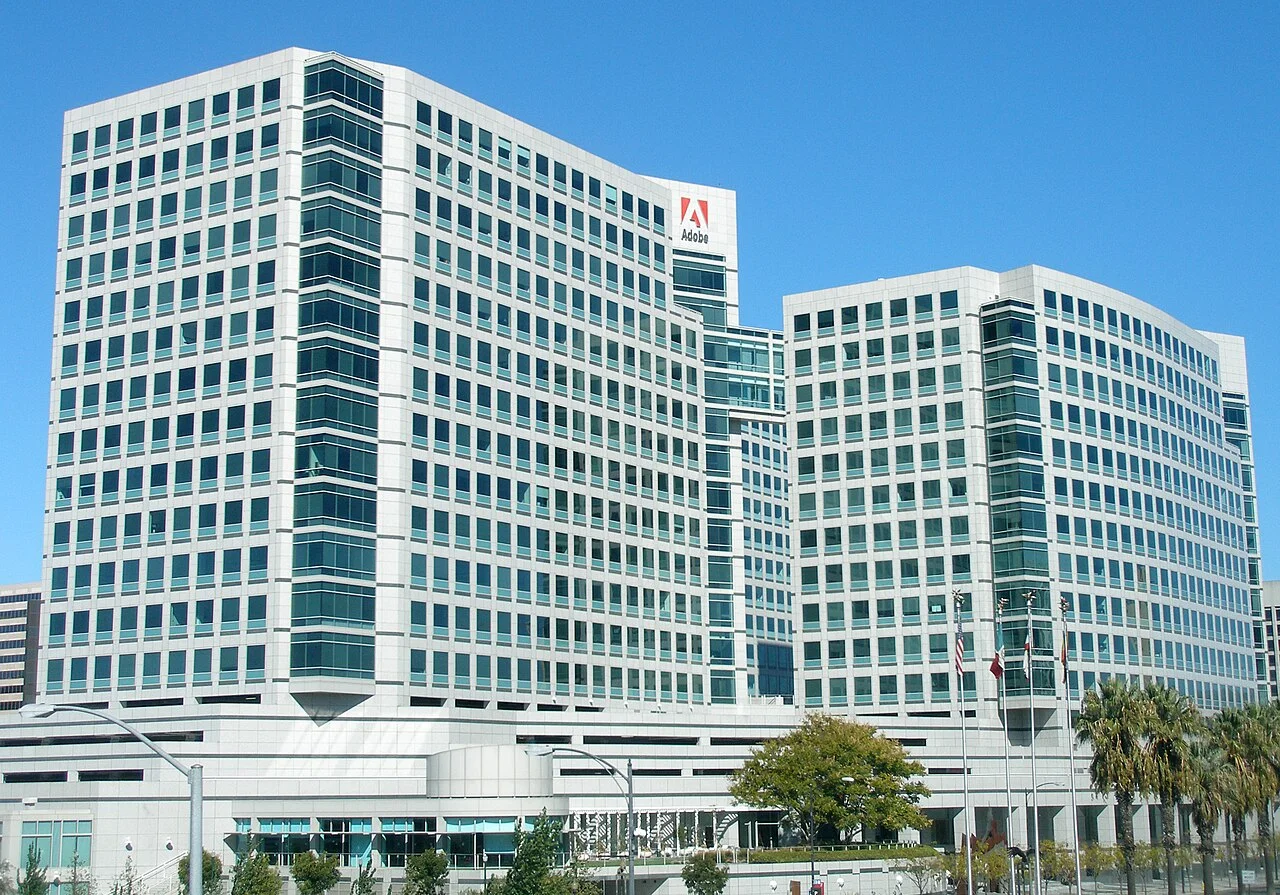
The case has drawn attention from Indian tech firms that rely on global technology suppliers, including Nvidia, which is a key player in AI and data processing. Indian companies have increasingly adopted Nvidia's GPUs for cloud computing and AI research. The U.S. enforcement of export laws could lead to stricter compliance requirements for Indian firms, potentially increasing operational costs and delays in accessing critical hardware.
Many Indian startups and research institutions depend on Nvidia’s technology to develop cutting-edge solutions. The recent case has led to increased scrutiny of export practices, with some Indian firms now reassessing their supply chains and partnerships with U.S. tech companies. This could affect the pace of innovation in India’s growing tech sector.
Impact on Local Communities and Economy
Communities in India that rely on tech-driven industries, such as Bangalore and Hyderabad, could face ripple effects from this case. If export controls lead to reduced access to advanced computing hardware, it may slow down AI and data science projects that are critical for local economic growth. Small and medium enterprises (SMEs) that depend on cloud infrastructure could also be affected.
Local job markets in tech hubs are closely tied to global supply chains. Any disruption in the availability of advanced hardware could lead to reduced investment in local tech startups, affecting employment opportunities and innovation. The case also raises concerns about the broader implications of U.S.-China tech tensions on India's digital economy.
Community Response and Calls for Transparency
Community leaders in tech hubs like Bengaluru have called for greater transparency and support for local firms navigating the complex web of international trade regulations. Some have urged the Indian government to strengthen its own export compliance frameworks to protect local businesses from potential fallout.
There is also growing public interest in understanding how international legal actions affect everyday citizens. Tech workers and entrepreneurs are increasingly aware of the geopolitical dimensions of their industry, and this case has intensified discussions on how India can balance innovation with regulatory compliance.
What to Watch Next
The case is still under investigation, and more details may emerge about the extent of the alleged violations and the role of the server company involved. Indian tech firms are closely monitoring the situation, as it could set a precedent for future export regulations and compliance standards.
For Indian citizens, the case underscores the interconnectedness of global technology markets and the need for proactive measures to safeguard local industries. As the U.S. continues to enforce strict export controls, India may need to adapt its policies to ensure that its tech sector remains competitive and resilient.