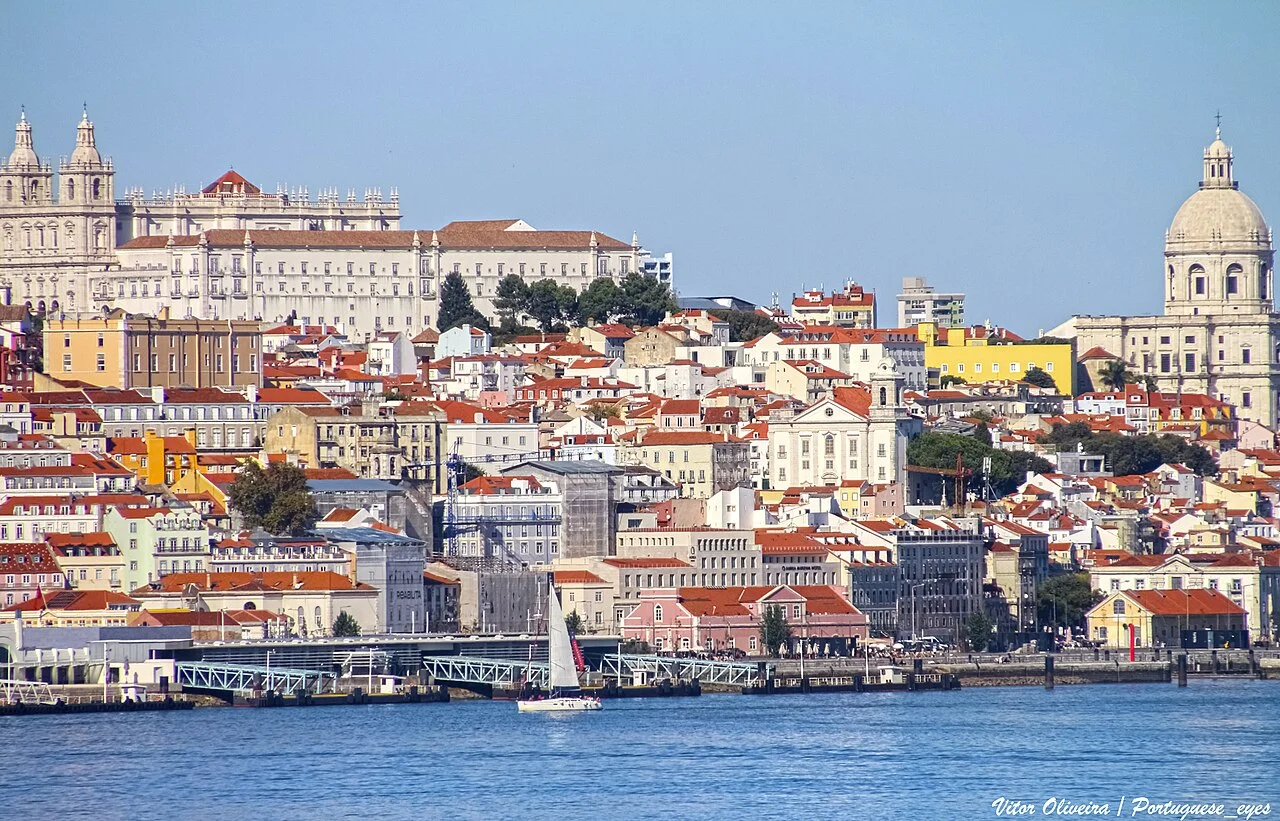
Nuno Botelho, a prominent local figure, has declared that Porto has the potential to become a major capital of the northwest region, sparking discussions among residents and policymakers. His comments come amid growing interest in the city’s economic and cultural development, with many wondering how this vision will translate into tangible benefits for the community.
Porto’s Strategic Position

Porto, located in northern Portugal, is known for its historic architecture, rich cultural heritage, and growing industrial base. Botelho highlighted the city’s access to the Atlantic, its strong trade links, and its strategic location near the Spanish border as key assets. He argued that with the right investments, Porto could become a major economic and political hub for the northwest region.
Local officials have acknowledged the potential but stressed the need for coordinated efforts between public and private sectors. “Porto has all the ingredients for success,” said one city council member. “But we need to ensure that growth benefits all residents, not just a select few.”
Economic Implications for Residents
The prospect of Porto rising as a regional capital has raised hopes for job creation and improved infrastructure. Many residents, particularly in surrounding towns, are eager for more investment in transportation, education, and healthcare. A recent survey by a local think tank showed that 68% of respondents believed Porto’s growth could bring more opportunities to the region.
However, concerns remain about the cost of living and potential gentrification. Some community leaders warn that without proper planning, the city’s expansion could displace lower-income families. “We need to ensure that development is inclusive,” said a representative from a local housing group. “Otherwise, the benefits will be limited to a small segment of the population.”
Community Response and Local Concerns
Community leaders have called for greater transparency in how Porto’s development plans will be implemented. Many residents are looking for clearer communication from local authorities and more involvement in decision-making processes. “We want to be part of the conversation,” said a local business owner. “It’s our city, and we have a stake in its future.”
There are also calls for more investment in cultural and social initiatives. Some believe that Porto’s identity as a historic and creative city should not be overshadowed by economic ambitions. “We need to balance growth with preservation,” said a cultural organizer. “Porto’s charm is part of what makes it special.”
What’s Next for Porto?
As Botelho’s vision gains traction, the next step will be to see how local and national authorities respond. A series of public forums are planned to gather input from residents, and a new task force is expected to be formed to oversee the city’s development strategy. The outcome of these discussions will be closely watched by both locals and investors.
For now, the focus remains on ensuring that Porto’s growth is sustainable, equitable, and aligned with the needs of its people. As one resident put it, “We want a future that works for everyone, not just for the powerful.”