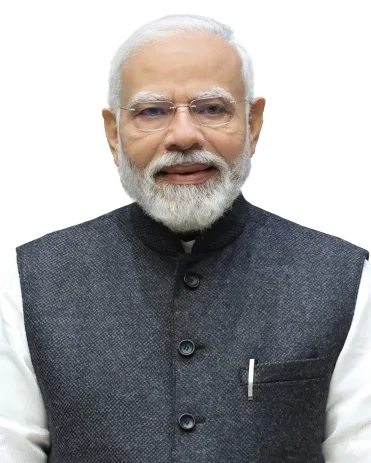
Prime Minister Narendra Modi has made history by becoming India’s longest-serving head of a democratically elected government, completing 8,931 days in office. His tenure, which began in 2014, has seen significant policy shifts and political realignments across the country, with the state of Gujarat—his former home and political base—experiencing both direct and indirect effects. The milestone has sparked discussions on governance, development, and the long-term implications for citizens and communities in the region.
Modi’s Record-Breaking Tenure
Modi’s 8,931 days in power, as calculated by the Prime Minister’s Office, surpasses the previous record held by former Prime Minister Indira Gandhi, who served 7,288 days. His leadership has been marked by major economic reforms, digital initiatives, and a strong emphasis on national security. The milestone comes amid ongoing elections in several states, including Sikkim, where the ruling party continues to hold sway. The record has been widely celebrated in official circles, with supporters highlighting his focus on development and governance.
However, critics argue that the prolonged tenure has led to a concentration of power and limited political diversity. In Gujarat, where Modi served as Chief Minister from 2001 to 2014, the state’s political landscape has seen a shift towards centralized decision-making. Local leaders and analysts note that while the state has seen infrastructural growth, concerns about democratic accountability remain.
Gujarat’s Political and Economic Landscape
Gujarat, often referred to as the "jewel of India’s economy," has seen significant investment and development under Modi’s leadership. The state has consistently ranked high in ease of doing business and has attracted major industrial projects. The Gujarat government, currently led by Chief Minister Bhupendra Patel, has continued several of Modi’s policies, including the push for renewable energy and infrastructure modernization.
Local businesses and entrepreneurs in Gujarat have expressed mixed views on Modi’s long-term impact. While some credit his policies for fostering a business-friendly environment, others say that the state’s political climate has become increasingly insular. In cities like Ahmedabad and Surat, where Modi’s influence is still strong, there is a sense of pride in his achievements, but also a growing demand for more inclusive governance.
Impact on Daily Life in Gujarat and Sikkim
For citizens in Gujarat, Modi’s policies have translated into tangible changes. The state has seen improvements in healthcare, education, and digital connectivity. The “Digital India” initiative, launched during his tenure, has had a lasting impact on rural areas, where access to government services has improved significantly. However, some residents in smaller towns and villages feel that the benefits of these policies are unevenly distributed.
In Sikkim, where the ruling Sikkim Democratic Front (SDF) has maintained control, Modi’s influence is more indirect. The state has adopted several central government initiatives, particularly in infrastructure and education. However, local leaders emphasize that Sikkim’s unique geographical and cultural identity has shaped its development trajectory. Residents in Sikkim report that while Modi’s policies have brought some benefits, they have not directly altered their daily lives in the same way as in Gujarat.
Community Response and Political Dynamics
Community responses to Modi’s record tenure vary widely. In urban areas, there is a strong sense of support, driven by the visible improvements in public services and infrastructure. In rural regions, however, there are concerns about the slow pace of development and the lack of grassroots engagement. Local activists in Gujarat argue that while Modi has brought national attention to the state, more needs to be done to address local issues.
Politically, the long tenure has led to a consolidation of power within the ruling party. In Gujarat, where the BJP has maintained a strong presence, there are fears that the political landscape could become increasingly homogenized. In Sikkim, the opposition remains vocal, with leaders calling for more transparency and accountability in governance.
What Comes Next for Modi and the Region?
As Modi continues his record-breaking tenure, the focus will shift to how his policies evolve and how they impact the country’s political and economic future. In Gujarat, the next few years will be crucial in determining whether the state can maintain its growth trajectory while addressing growing concerns about governance. In Sikkim, the upcoming elections will test the strength of the ruling party and the effectiveness of Modi’s policies at the state level.
For citizens across the region, the long-term implications of Modi’s leadership remain a topic of discussion. While his record is a significant achievement, the challenge now lies in ensuring that the benefits of his policies reach all sections of society. As the political landscape continues to shift, the impact of Modi’s leadership on daily life and community development will remain a key concern for many.