Sri Lanka has rejected a US request to allow its military aircraft to land at the country’s airbases, citing national sovereignty and regional security concerns. The move comes amid growing geopolitical tensions in South Asia and has raised questions about the island nation’s foreign policy stance. The decision has immediate implications for local communities and the broader regional dynamics, especially for India, which shares close strategic ties with Sri Lanka.
Sri Lanka's Sovereignty Stance
The Sri Lankan government confirmed it had turned down the US offer, which was reportedly aimed at enhancing regional air connectivity and support for military operations. Officials stated that the country would not compromise its sovereignty to accommodate foreign military activities. The refusal has been framed as a defensive measure against external interference, a sentiment that resonates with many citizens who have long been wary of foreign influence.
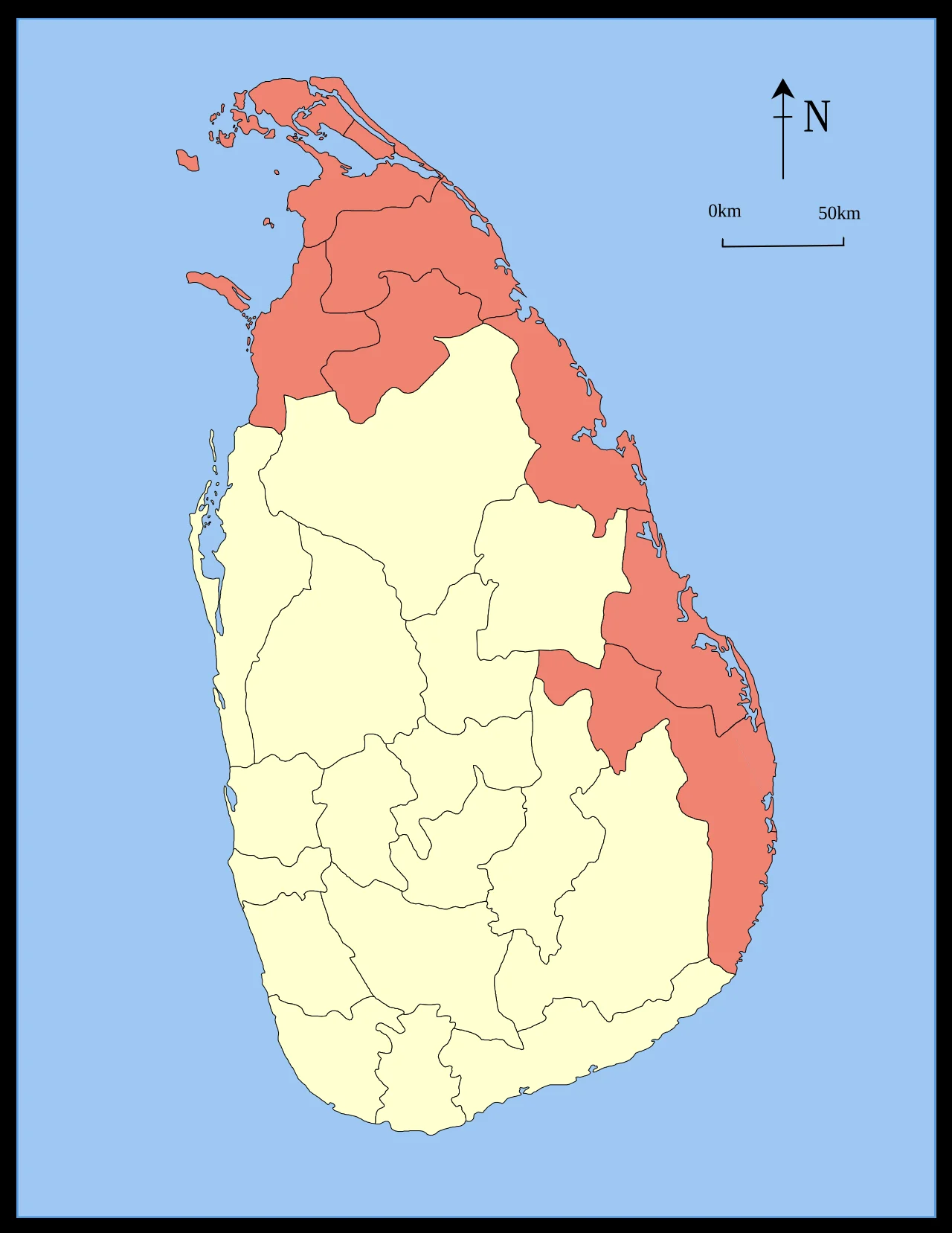
Local media in Sri Lanka has highlighted the decision as a show of independence, with some analysts noting that the country is trying to balance its relationships with multiple global powers. However, the move has also raised concerns about potential disruptions to existing air traffic and logistical support for regional operations. For communities near the airbases, the decision could mean changes in local employment and infrastructure development.
Impact on Regional Security
The refusal has sparked discussions among regional security experts about the implications for South Asian stability. Sri Lanka's strategic location makes it a key player in maritime and air operations in the Indian Ocean. The US had reportedly sought access to the country’s airbases to support regional security initiatives, including surveillance and humanitarian missions. By denying this, Sri Lanka may be signaling a shift in its strategic alignment.
India, which has historically maintained close military and diplomatic ties with Sri Lanka, is closely watching the situation. Some analysts believe that the move could affect India’s regional security strategy, particularly in the context of China’s growing influence in the Indian Ocean. For Indian citizens, the development underscores the importance of maintaining strong bilateral relations with Sri Lanka to ensure regional stability.
Local Economy and Daily Life
While the decision is primarily a political one, its effects are already being felt at the local level. Airports near major cities have reported changes in flight schedules, with some commercial and military flights being rerouted. This has led to increased costs for airlines and potential disruptions for travelers. In areas where military activity was previously common, there are concerns about reduced economic activity and job losses.
Local businesses, particularly those reliant on tourism and trade, are also monitoring the situation. While the immediate impact may be limited, the long-term consequences of reduced foreign military presence could affect infrastructure investment and development projects. For communities that have depended on these activities, the shift could lead to economic uncertainty.
Community Response and Public Opinion
Public reaction in Sri Lanka has been mixed. Some citizens have praised the government for standing firm on sovereignty, seeing it as a necessary step to protect national interests. Others, however, are concerned about the potential consequences, including reduced access to international support and aid. Social media discussions have highlighted the divide between those who prioritize independence and those who fear the economic and security implications of the decision.
Community leaders in coastal and military-adjacent areas have expressed concerns about the future of local economies. While the government has not provided detailed plans for addressing these issues, there are calls for more transparency and dialogue with affected regions. For many, the decision represents a complex balance between national pride and local well-being.