South African rosé has become a top seller in UK supermarkets, with major retailers reporting a surge in demand for the region's wines. The trend, driven by a growing preference for lighter, refreshing wines, has seen South African brands like KWV and Spice Route gain significant market share. This development is not just a win for South African producers but also has ripple effects on global trade and consumer preferences.
The rise of South African rosé in the UK is part of a broader shift in consumer tastes, with younger drinkers increasingly opting for wines that are easy to drink and pair well with a range of meals. According to a recent report by the South African Wine Industry, exports to the UK have increased by 12% in the past year, with rosé accounting for a large portion of this growth. This success is being celebrated by local winemakers, who see it as a sign of the region's growing international recognition.
Impact on South African Wine Producers
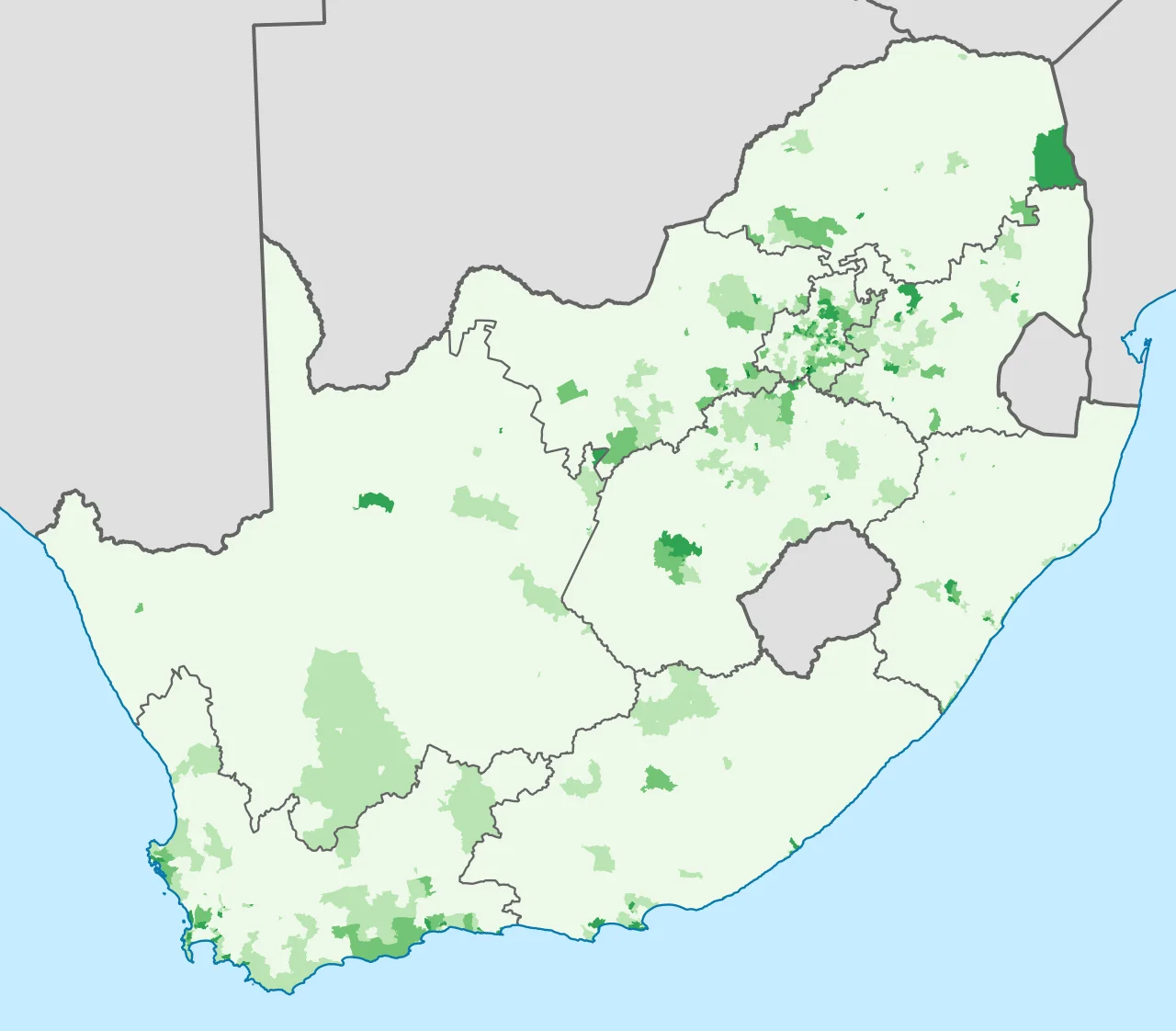
South African wine producers are reaping the benefits of the UK market's growing appetite for their products. The increased demand has led to higher production volumes and greater investment in vineyards, particularly in regions like Stellenbosch and Paarl. This has created new job opportunities and stimulated local economies, particularly in rural areas where viticulture is a key industry.
Winemakers are also focusing on sustainability and innovation to meet the expectations of UK consumers. Many are adopting eco-friendly practices, such as water conservation and organic farming, to appeal to environmentally conscious buyers. This shift not only enhances the reputation of South African wines but also aligns with global trends in responsible consumption.
Effect on the UK Market
UK consumers are increasingly turning to South African rosé for its affordability and quality. Retailers like Tesco and Sainsbury’s have reported that South African wines are among the fastest-selling in their ranges, with many customers praising the balance of fruitiness and acidity. This has led to a wider variety of South African wines being stocked in supermarkets, making it easier for consumers to explore the region's offerings.
The influx of South African wines into the UK market has also sparked interest in other South African products, including food and beverages. Local restaurants and bars are beginning to feature South African wines on their menus, further boosting the region's visibility. This trend is expected to continue as more UK consumers become familiar with the quality and diversity of South African wines.
Broader Implications for Global Trade
The success of South African rosé in the UK highlights the growing influence of emerging wine-producing regions in the global market. Traditionally dominated by France, Italy, and Spain, the wine industry is now seeing increased competition from countries like South Africa, which are leveraging their unique climates and terroirs to create distinctive products.
This shift has implications for global trade policies and market dynamics. As demand for South African wines grows, there may be increased pressure on trade agreements to support the export of agricultural products. This could lead to more opportunities for other developing nations to enter the global wine market, potentially reshaping the industry in the coming years.
What’s Next for South African Wines?
With the UK market showing strong interest, South African wine producers are looking to expand their reach to other international markets. Countries in Asia, particularly China and India, are emerging as potential growth areas, with growing middle classes showing an interest in premium wines. This could lead to a more diversified export strategy for South African winemakers.
As the popularity of South African rosé continues to rise, it will be important for producers to maintain quality and consistency while adapting to changing consumer preferences. This will require ongoing investment in research, marketing, and distribution networks. For now, the UK market remains a key driver of growth, offering a glimpse into the future of South African wines on the global stage.