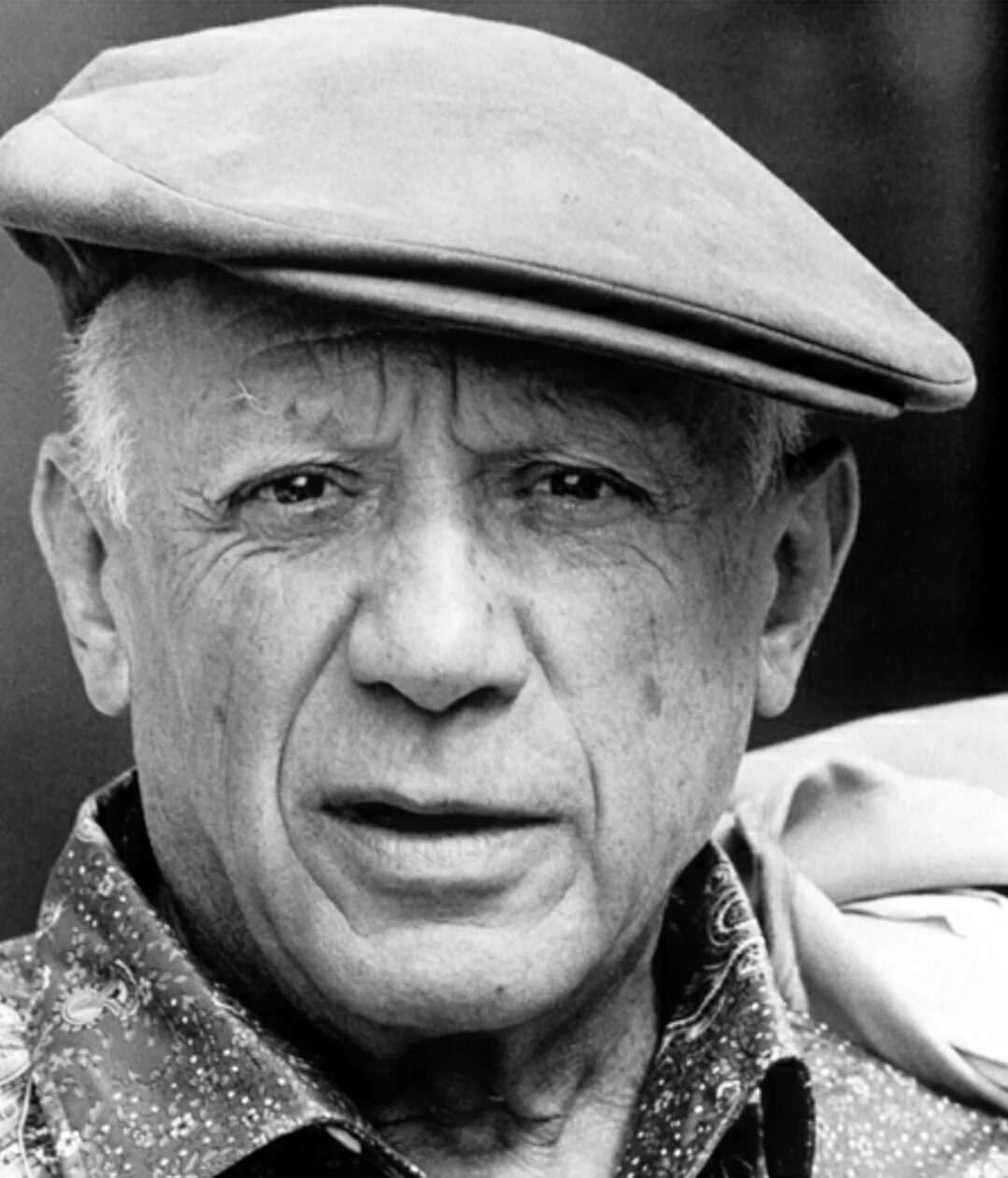
Lisbon's mayor, Paulo Mota Pinto, has demanded that a recorder be used in all meetings with the far-right party Chega, following recent tensions over transparency and accountability. The move comes as the city grapples with rising political friction and concerns about the influence of radical groups on local governance. The decision has sparked a debate among residents and political analysts about the implications for civic participation and democratic processes in the region.
Presidente's Stance on Transparency
Paulo Mota Pinto, the Presidente of Lisbon, has made it clear that any discussions with Chega must be recorded to ensure transparency. "I will not allow any meetings to take place without a recorder," he stated in a recent press conference. The demand follows a series of contentious interactions between the city administration and the party, which has been gaining traction in local elections. Mota Pinto argues that recording meetings is essential to protect the integrity of public discourse and prevent misinformation.
The move has been welcomed by some citizens who believe it will promote accountability. "It's about making sure that what is said in meetings is documented and not later distorted," said Ana Ferreira, a local resident and community organizer. However, critics argue that the decision could be seen as an overreach, potentially limiting open dialogue with political parties. The situation has raised questions about the balance between transparency and the freedom of political expression in public governance.
Chega's Response and Political Tensions
Chega, a far-right party that has been gaining influence in Lisbon, has not yet responded publicly to Mota Pinto’s demand. However, internal sources suggest that the party is considering legal challenges to the requirement. "We believe that the mayor is overstepping his authority," said one Chega representative, who spoke on condition of anonymity. The party has been vocal in its criticism of the city administration, accusing it of being biased against right-wing political views.
The tensions between Mota Pinto and Chega have been escalating since the party's recent success in local elections. Chega's growing presence has led to concerns among some residents about the direction of the city's policies, particularly regarding immigration and public safety. The party's influence is now a key factor in the political landscape of Lisbon, and the mayor's decision to demand recordings is seen as a direct challenge to its rising power.
Impact on Daily Life and Community Dynamics
The political friction between the mayor and Chega has begun to affect the daily lives of Lisbon residents. Community leaders report that some neighborhoods are divided, with residents taking sides in the debate over transparency and political influence. "There is a growing sense of distrust in local governance," said Miguel Costa, a local council member. "People are worried about how decisions are being made and who is involved."
Businesses in the city have also expressed concerns about the political climate. Some local entrepreneurs say that the rising tensions are creating uncertainty, which could affect investment and economic growth. "We need stability, not more political battles," said Sofia Almeida, owner of a small café in the city center. The situation has prompted calls for dialogue and a return to collaborative governance, but the path forward remains unclear.
What Comes Next for Lisbon?
As the standoff between Mota Pinto and Chega continues, the next steps will be closely watched by residents and political analysts alike. The city administration is expected to proceed with the recording requirement, but the response from Chega and its supporters could shape the future of political engagement in Lisbon. "This is a critical moment for the city," said Ana Ferreira. "We need to find a way to ensure that all voices are heard without undermining the principles of democracy."
Residents are now looking to local leaders to mediate the conflict and restore a sense of unity. The outcome of this dispute could set a precedent for how political tensions are managed in the region. As the city continues to navigate this complex situation, the focus remains on how these developments will impact the daily lives of its citizens and the long-term stability of the community.