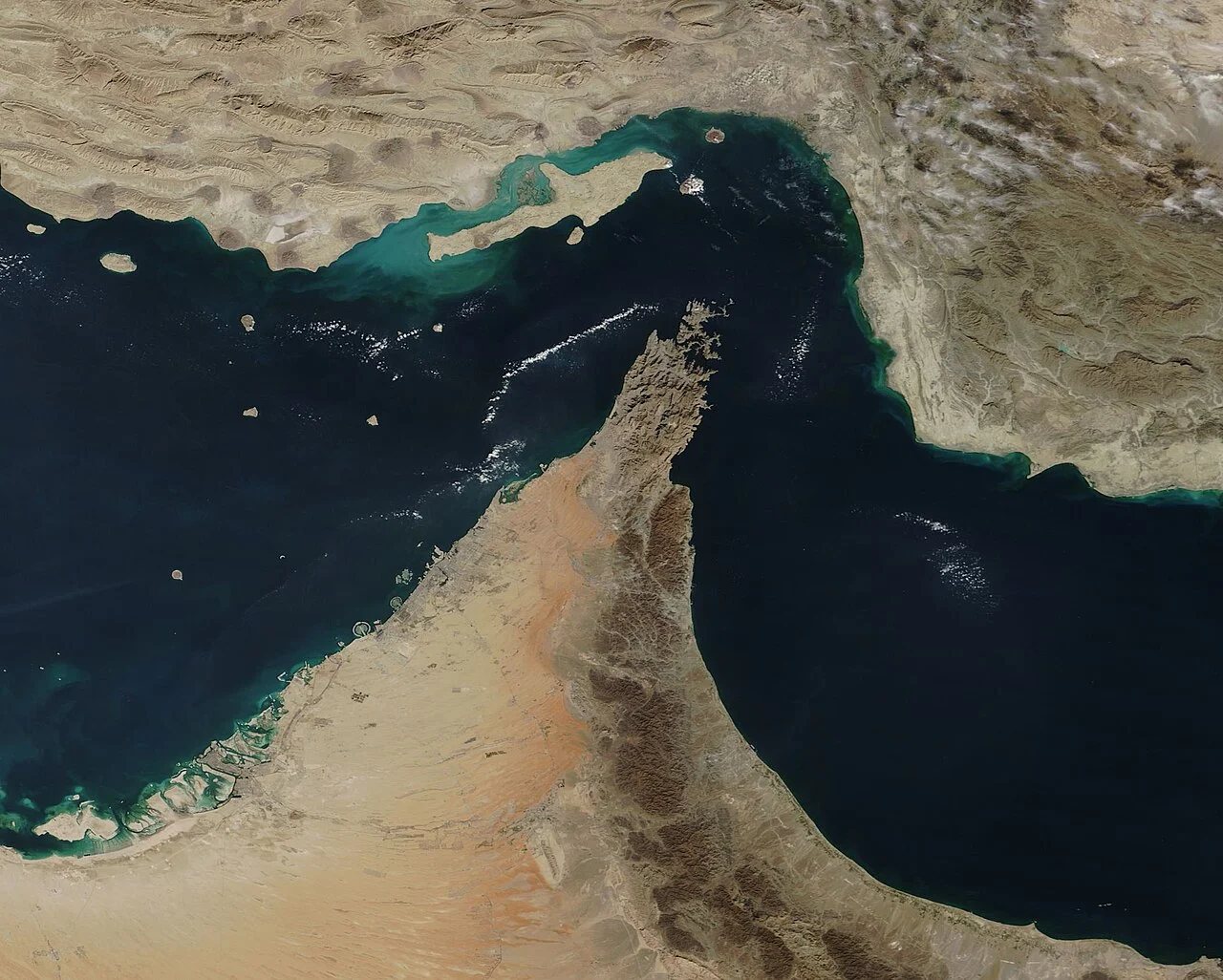
Oman's decision to temporarily shut down oil exports through the Strait of Hormuz has triggered a major energy supply shock, sending global oil prices soaring and raising concerns about regional stability. The move, announced on Tuesday, came after a series of tensions between Oman and Iran, which has led to a disruption in one of the world's most critical maritime trade routes. The Strait of Hormuz, a narrow waterway between the Arabian Peninsula and Iran, sees nearly 20% of global oil shipments pass through it daily, making it a strategic chokepoint.
Oman's Strategic Move and Immediate Consequences
The Omani government cited security concerns and the need to protect its territorial waters as the reason for the shutdown. This decision has directly impacted the flow of oil from the Persian Gulf to global markets, with major oil companies like ExxonMobil and Shell reporting delays in their supply chains. The Strait of Hormuz, which is only 21 miles wide at its narrowest point, has long been a focal point of geopolitical tension, particularly between Iran and its regional rivals.
Oil prices on global markets surged by over 5% within hours of the announcement, with Brent crude reaching a six-month high. The move has also raised concerns about inflation and fuel costs in India, where a significant portion of energy imports pass through the Strait. Analysts warn that the disruption could lead to higher costs for consumers and businesses in the region, particularly in states that rely heavily on imported fuel.
Impact on India's Energy Security
India, which imports around 85% of its oil needs, is particularly vulnerable to disruptions in the Strait of Hormuz. The country’s energy security is closely tied to the stability of this region, and any prolonged closure could lead to fuel shortages and increased prices. With the Indian economy already facing inflationary pressures, the sudden spike in oil prices could further strain household budgets and affect the cost of goods and services.
Experts from the Indian Institute of Management, Ahmedabad, have warned that the situation could lead to a rise in the price of diesel and LPG, which are critical for both urban and rural communities. “This is not just a regional issue—it has direct implications for millions of Indians who depend on affordable fuel for daily life,” said Dr. Ravi Kumar, an energy policy analyst.
Regional Tensions and Community Responses
The tension in the Strait of Hormuz has not only affected global markets but has also sparked concern among local communities in Oman and the surrounding regions. In Muscat, residents have reported increased anxiety over the potential for further instability. Local businesses, particularly those involved in trade and transportation, are bracing for the impact of the disruption.
Community leaders in Oman have called for dialogue and de-escalation, emphasizing the need for regional cooperation to prevent further damage. “We must avoid a situation where innocent people suffer because of political tensions,” said a local council member in Salalah. The government has also urged international bodies to mediate and ensure the safe passage of ships through the strait.
What Comes Next for the Region?
As the situation in the Strait of Hormuz continues to unfold, the focus remains on whether the shutdown will be short-term or a precursor to more prolonged disruptions. The Indian government has already begun exploring alternative supply routes, including increased imports from the Middle East and Southeast Asia. However, these options come with their own challenges, including higher costs and logistical complexities.
For now, the region is on high alert, with both regional and international players watching closely. The impact on daily life, the economy, and the environment remains to be seen, but one thing is clear: the Strait of Hormuz is a vital lifeline for global energy, and any disruption has far-reaching consequences.