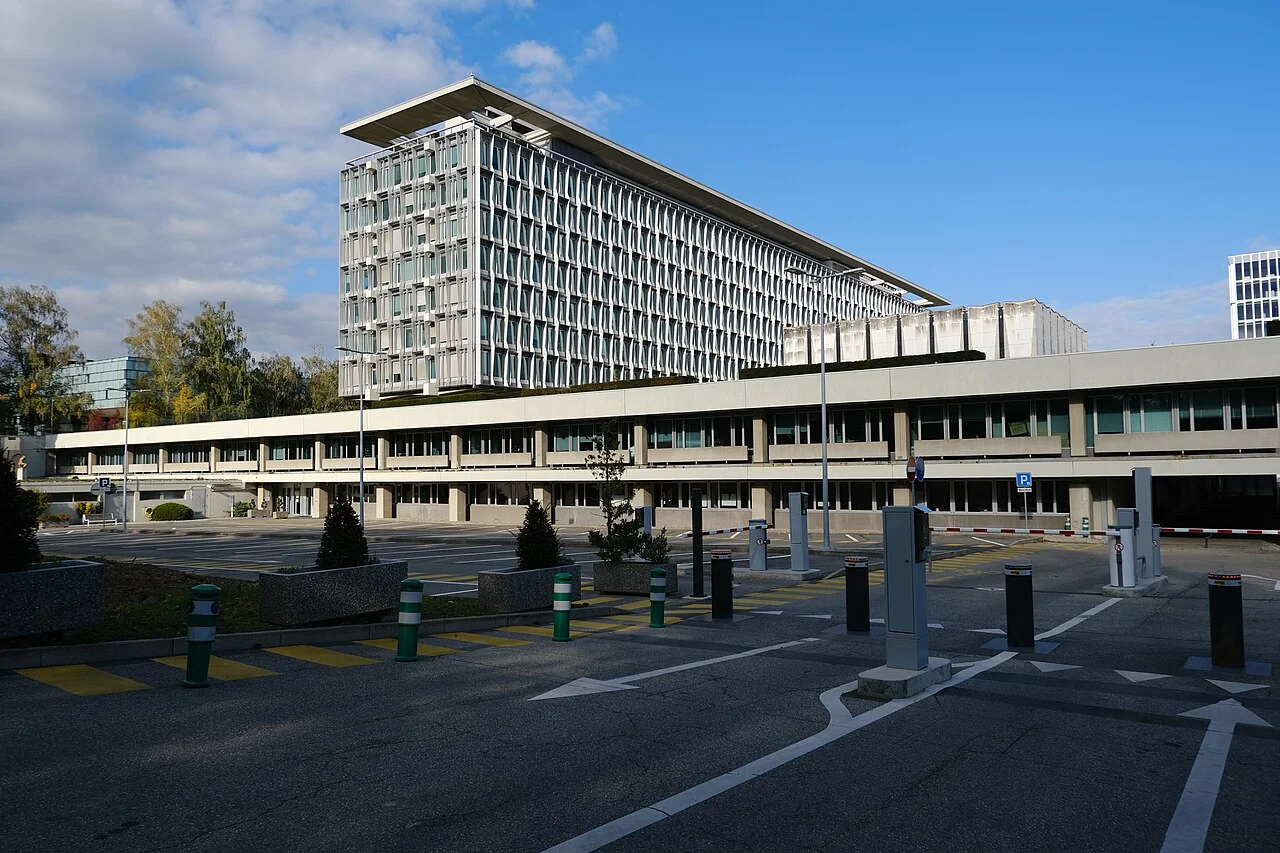
The National Health Service (NHS) in England has reported a significant rise in hospital waiting times, with patients across multiple regions facing extended delays for routine and urgent care. The data, released by NHS England, highlights growing concerns about the strain on the healthcare system, particularly in areas with limited resources and rising patient demand. This development is raising alarms among local communities, who are increasingly struggling to access timely medical treatment.
Regional Disparities in Waiting Times
According to the latest NHS report, the average waiting time for non-urgent procedures has increased by 12% compared to the same period last year. In regions such as the North East and Yorkshire, patients are waiting over 60 days for certain treatments, far exceeding the national target of 18 weeks. The disparity is particularly pronounced in rural areas, where healthcare facilities are fewer and the population is aging. Local GP surgeries have also reported higher patient loads, with some clinics operating beyond capacity.

Dr. Sarah Mitchell, a GP in Newcastle, said: “We are seeing more patients than ever before, and the waiting times are becoming unbearable. Many of our patients are having to travel long distances for specialist care, which adds to their stress and financial burden.” This situation is not only affecting individual patients but also putting pressure on families and local support networks, who often have to manage care responsibilities while maintaining their own jobs and daily routines.
Impact on Daily Life and Local Economy
The increase in waiting times is having a ripple effect on the daily lives of citizens. Many individuals are delaying necessary treatments, which can lead to more severe health complications down the line. This not only affects their well-being but also impacts their ability to work and contribute to the local economy. Employers in several regions have reported higher absenteeism rates due to health-related issues, with some businesses struggling to maintain productivity.
Local businesses, especially in the retail and service sectors, are also feeling the impact. With more people staying home due to health concerns or long waits for medical appointments, footfall in town centres has dropped. In cities like Manchester and Birmingham, local shop owners have expressed concerns about declining sales and the long-term viability of their businesses. This has sparked discussions about the need for better healthcare infrastructure to support both public health and economic stability.
Community Response and Calls for Action
Community groups and patient advocacy organisations have begun to mobilise in response to the rising waiting times. In Leicester, a local campaign group called “Healthcare for All” has been holding meetings to raise awareness and pressure local authorities to improve access to care. They argue that the current system is failing vulnerable groups, including the elderly and those with chronic illnesses.
“We need urgent investment in healthcare facilities and more staff to reduce waiting times,” said Priya Patel, a community leader in Leicester. “This isn’t just about medical care—it’s about dignity and quality of life.” These calls for action are gaining traction, with several local politicians pledging to address the issue in upcoming council meetings. However, many citizens remain sceptical about whether these promises will translate into real change.
Looking Ahead: What’s Next for NHS and Patients?
As the NHS continues to grapple with rising demand and limited resources, the focus is turning to potential solutions. Some experts suggest expanding telehealth services and investing in community-based care to reduce the pressure on hospitals. Others advocate for greater public funding and better staffing strategies to improve efficiency.
For now, patients across the region are left waiting, hoping for a system that can meet their needs. The story of rising waiting times is not just a healthcare issue—it’s a reflection of broader societal challenges, from resource allocation to public policy. As the debate continues, the impact on everyday lives remains clear, and the need for action is more urgent than ever.