A Beirut-based cafe, a local hub for artists and residents, has been forced to close as Israeli military activity intensifies near the city, raising fears of wider regional instability. The closure of Al-Maadi, a historic establishment in the Gemmayzeh district, underscores the growing threat to daily life in Lebanon, where citizens grapple with the dual crises of economic collapse and geopolitical conflict. The cafe’s owner, Samir Farah, described the situation as “a death sentence for small businesses,” as Israeli strikes target areas near the border, disrupting trade and livelihoods.
Impact on Daily Life in Beirut
The cafe’s closure is emblematic of the fragile existence faced by Beirut’s residents, who now navigate heightened security alerts and disrupted routines. Al-Maadi, known for its art exhibitions and community events, had become a rare sanctuary for locals seeking respite from the city’s crumbling infrastructure. “We used to host poetry nights and cultural debates here,” said Farah. “Now, the only thing we hear is the sound of planes overhead.” The Israeli military’s recent operations near the southern suburbs have led to power cuts, water shortages, and a surge in panic, further straining a population already reeling from hyperinflation and a 2020 port explosion.
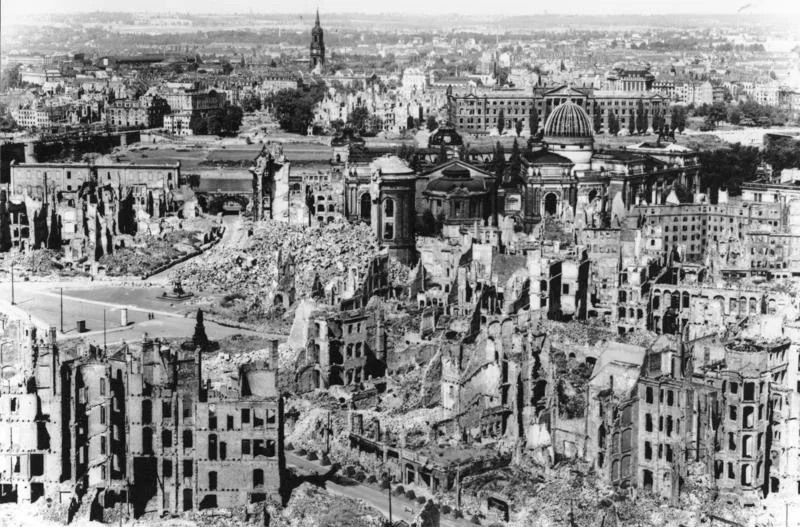
Residents in nearby neighborhoods report heightened surveillance and checkpoints, with many fearing collateral damage. “We’re living in a state of constant uncertainty,” said Layla Khoury, a mother of three. “Every day feels like a gamble.” The cafe’s closure has left over 20 employees without income, compounding the struggles of a workforce already hit by Lebanon’s economic meltdown, where the currency has lost 90% of its value since 2019.
Local Economy Under Siege
The closure of Al-Maadi highlights the broader economic fallout of regional tensions. Small businesses in Beirut, already struggling with a 50% unemployment rate, face renewed threats as supply chains falter and consumer spending plummets. The cafe’s owner estimates that 70% of his suppliers are now unreachable due to border closures, forcing him to halt operations. “We’re not just losing a business—we’re losing a piece of our community’s identity,” Farah said.
The Israeli-Lebanon conflict, which has escalated since 2023, has also disrupted cross-border trade, a lifeline for many Lebanese families. According to the Lebanese Association of Chambers of Commerce, 60% of small enterprises in the south have reported a 40% drop in revenue since January. The economic strain is particularly acute in areas near the Israeli border, where farmers and merchants rely on regional markets. “This isn’t just a military issue—it’s an economic disaster waiting to happen,” said economist Rana El-Khatib.
Social Fabric Fraying
Communities in Beirut and southern Lebanon are experiencing a deepening sense of isolation as fear of conflict spreads. Al-Maadi’s closure has left a void in the cultural landscape, with local artists and activists losing a critical space for expression. “The cafe was a place where we could talk freely, share ideas, and resist despair,” said poet Nadine Salameh. “Now, we’re all just waiting for the next explosion.”
Local NGOs report a surge in mental health crises, with many residents suffering from anxiety and trauma. “The constant threat of violence is eroding our ability to rebuild,” said Dr. Hassan Mroueh, a psychologist in Sidon. “Even when there’s no direct attack, the fear is paralyzing.” Community leaders are urging international intervention to de-escalate tensions, but with global attention diverted to other conflicts, Lebanon’s plight remains underreported.
Regional Tensions and Global Implications
The situation in Beirut reflects the broader instability in the Middle East, where Israeli actions are closely scrutinized by neighboring countries and global powers. Analysts warn that the conflict risks drawing in Hezbollah, Lebanon’s armed group, which has a history of clashes with Israel. “This isn’t just a local issue—it’s a flashpoint for regional war,” said geopolitical expert Youssef Nasser. “Every strike near the border increases the risk of a wider confrontation.”
For Indian readers, the conflict underscores the interconnectedness of global geopolitics. India, which maintains diplomatic ties with both Israel and Lebanon, has a vested interest in regional stability. The Indian government has called for “diplomatic solutions” to prevent escalation, but experts argue that more proactive engagement is needed. “The humanitarian and economic fallout will eventually reach beyond the Middle East,” said Nasser. “India cannot afford to ignore this.”