The escalating tensions between Iran and regional adversaries have sent shockwaves through global oil markets, directly impacting India’s economy and everyday citizens. As Middle East developments intensify, India’s reliance on oil imports has left households and businesses vulnerable to soaring energy costs, inflation, and disrupted supply chains. This crisis underscores how distant geopolitical conflicts can reshape local livelihoods, from rising fuel prices to food shortages.
Global Oil Markets React to Regional Unrest
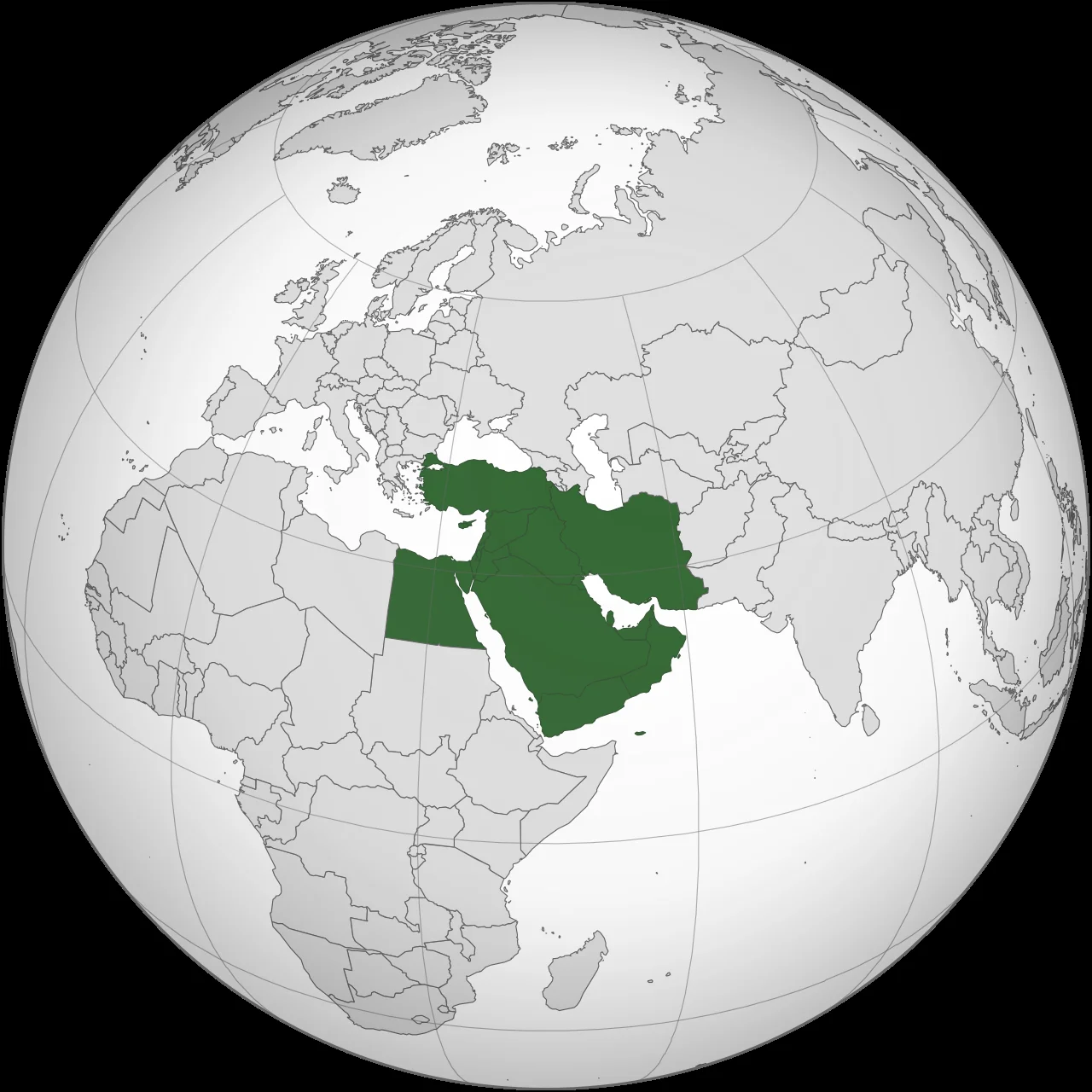
Since Iran’s recent military posturing in the Middle East, global oil prices have surged by over 12%, according to the International Energy Agency (IEA). The conflict, centered on Iran’s nuclear ambitions and clashes with Israel, has disrupted shipping routes in the Strait of Hormuz, a critical artery for 20% of the world’s oil. India, which imports 85% of its crude oil, faces immediate pressure as prices climb. “Every $1 increase in oil prices translates to a 0.3% rise in India’s inflation rate,” says Rajiv Biswas, chief economist at S&P Global. This directly affects consumers, as fuel costs ripple into transportation, manufacturing, and groceries.
The Indian government has attempted to mitigate the impact by securing long-term oil contracts with Gulf nations. However, geopolitical volatility has limited these efforts. In February 2024, the price of Brent crude hit $92 per barrel, the highest since 2023, forcing state-owned oil firms to raise domestic fuel prices by 8% in a single month. This has left middle-class families, who spend 15-20% of their income on energy, struggling to afford basic necessities.
Impact on Indian Households and Local Businesses
For daily wage workers in cities like Mumbai and Delhi, rising fuel costs mean higher commuting expenses and reduced take-home pay. “My bus fare has gone up by 20%, and I can’t afford to buy vegetables anymore,” says Priya Mehta, a domestic worker in Mumbai. Small businesses, which account for 30% of India’s GDP, are also feeling the strain. A survey by the Confederation of Indian Industry (CII) found that 65% of small retailers have increased prices by 5-10% to offset higher logistics costs, further squeezing consumer budgets.
The agricultural sector, a cornerstone of India’s economy, is particularly vulnerable. Diesel prices, which power irrigation pumps and farm machinery, have risen by 18% since January 2024. Farmers in states like Punjab and Haryana report reduced profits, with some abandoning crop cultivation due to unaffordable input costs. “We’re paying more for seeds and fuel, but our produce prices haven’t kept up,” says Ravi Singh, a farmer from Haryana. This threatens food security and could lead to higher prices for staples like rice and wheat.
Economic Vulnerabilities Exposed
India’s economic resilience is being tested as the crisis highlights long-standing dependencies on foreign oil. Despite efforts to boost renewable energy, the country still derives 70% of its energy from fossil fuels. The government’s recent push for solar and wind projects faces delays due to funding shortages, leaving the energy gap unfilled. “India’s energy policy is still stuck in the 20th century,” says Dr. Anjali Sharma, a policy analyst at the Observer Research Foundation. “Without diversification, we’ll remain hostage to Middle East politics.”
The financial sector is also bracing for fallout. The Reserve Bank of India (RBI) has raised interest rates by 0.5% to curb inflation, increasing loan repayments for millions. Homebuyers and small entrepreneurs, already burdened by high debt, now face tighter credit conditions. Meanwhile, foreign exchange reserves, which stood at $600 billion in 2023, are under pressure as import bills swell. This could weaken the rupee, making imports even more expensive and exacerbating inflation.
Community Responses and Adaptations
Local communities are finding creative ways to cope. In rural areas, farmers are adopting water-saving techniques and switching to drought-resistant crops. In cities, cooperatives are promoting carpooling and electric vehicle adoption to reduce fuel dependence. “We’ve started a community kitchen to share food costs,” says Meera Patel, a resident of Ahmedabad. “It’s small, but it helps.”
NGOs and grassroots organizations are also stepping in. The NGO Prayas has launched a campaign to educate households on energy conservation, while state governments are offering subsidies for solar-powered irrigation. However, these efforts are patchwork solutions. “We need systemic change, not temporary fixes,” says Arjun Kapoor, a social activist in Bangalore. “The government must prioritize energy independence and protect vulnerable populations.”
What’s Next for India’s Economy?
The coming months will determine how deeply the Middle East crisis impacts India. Analysts warn that if tensions persist, oil prices could hit $100 per barrel, pushing inflation beyond the RBI’s 6% target. This could trigger a slowdown in consumer spending, affecting sectors from retail to construction. The government faces a delicate balancing act: maintaining fiscal discipline while supporting struggling citizens.
Experts emphasize the need for long-term strategies. “India must accelerate its transition to renewables and strengthen strategic oil reserves,” says Biswas. “Without this, we’ll remain exposed to global shocks.” For now, citizens are left navigating a volatile landscape, where distant conflicts dictate their daily lives. As the Middle East developments unfold, the true cost of the Iran war is being felt not in headlines, but in the pockets of ordinary Indians.