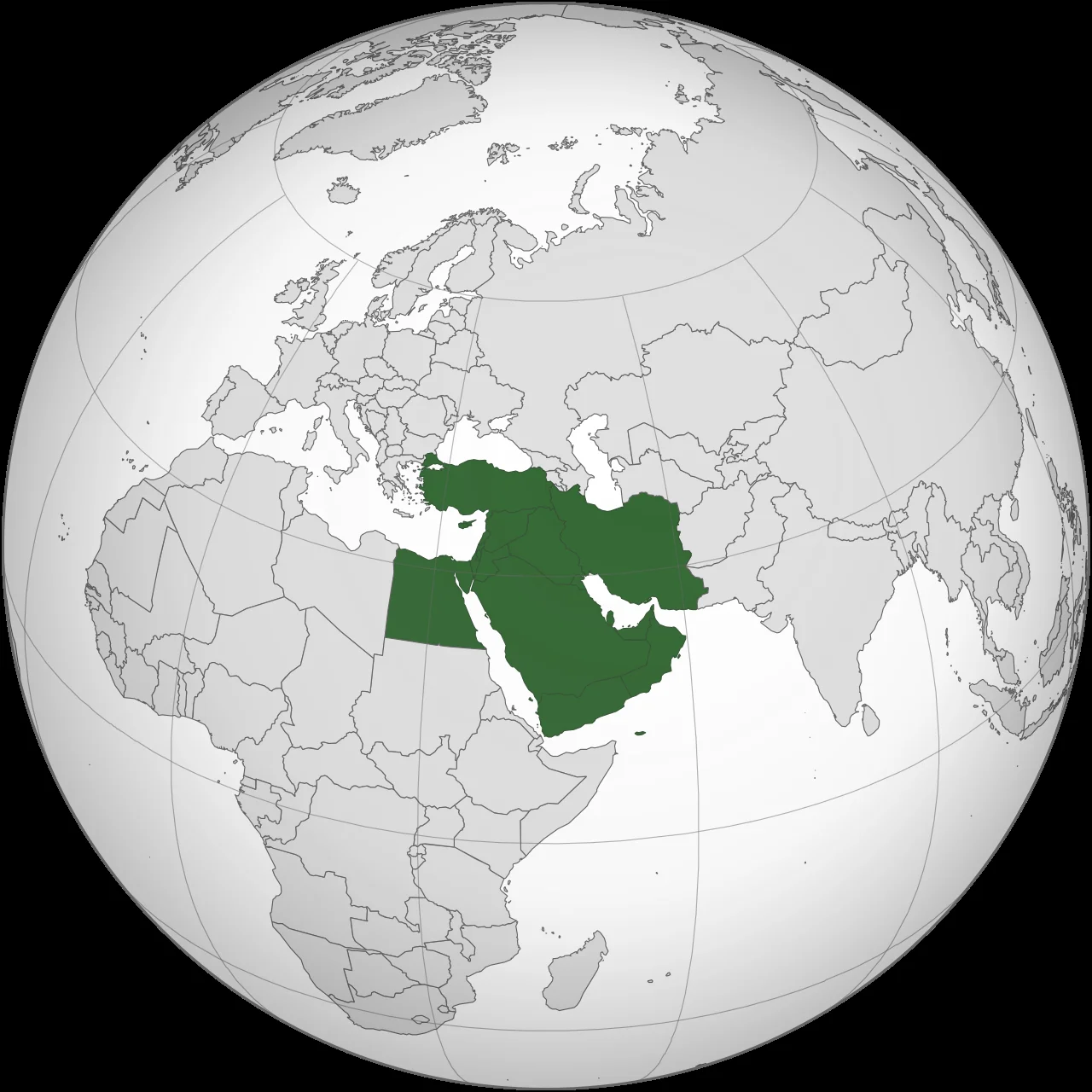
The Reserve Bank of India (RBI) has warned that it may raise interest rates if global oil price volatility triggered by escalating tensions in Iran persists, directly impacting inflation and household budgets across the country. Policymakers are closely monitoring the situation as rising energy costs threaten to destabilize the local economy, with consumers already feeling the pinch at fuel pumps and grocery stores.
Iran Conflict Sparks Global Supply Chain Fears
The ongoing conflict in Iran has disrupted critical oil shipments through the Strait of Hormuz, a vital route for 20% of global oil trade. This has pushed crude prices to a six-month high, raising concerns about imported inflation in India, which relies on oil imports for 85% of its energy needs. The RBI’s Monetary Policy Committee (MPC) highlighted that sustained price shocks could erode purchasing power, particularly for low-income families in urban and rural areas.
“The situation in Iran is a wild card for global markets,” said Dr. Anjali Sharma, an economist at the Indian Institute of Finance. “Even a 5% increase in oil prices could add 0.8% to India’s inflation rate, compounding existing pressures from food shortages and currency fluctuations.”
India's Consumer Prices Hit 7-Month High
Recent data shows India’s consumer price index (CPI) rose to 6.8% in April, driven by higher fuel and food costs. In states like Maharashtra and Tamil Nadu, where 40% of households spend over 30% of income on essentials, the impact is acute. Small businesses, particularly in the transport and manufacturing sectors, are struggling with rising operational costs, leading to fears of wage cuts or layoffs.
“We’re paying 20% more for diesel, but our customers can’t afford to pay more for goods,” said Ramesh Patel, a truck owner in Pune. “This is a crisis for ordinary people, not just policymakers.”
Policymakers Race to Stabilize Economy
Finance Minister Nirmala Sitharaman has directed the RBI to prioritize price stability while balancing growth. The central bank is considering a 25-basis-point rate hike in its next meeting, a move that could increase loan EMIs for homebuyers and car purchasers. However, critics argue that higher rates may stifle investment in an economy already growing at a 6.5% annual pace.
“Policymakers are caught between a rock and a hard place,” said Arjun Mehta, a political analyst. “Raising rates could curb inflation but risk slowing down recovery. Lowering them might ease borrowing but fuel further price hikes.”
Community Response and Long-Term Concerns
Local communities are adapting to the crisis through informal networks, with farmers in Punjab pooling resources to buy fertilizers at bulk discounts. In Mumbai’s slums, families are cutting back on non-essentials, while traders in Delhi’s Chandni Chowk report a 15% drop in footfall. Experts warn that without targeted subsidies or alternative energy investments, the burden will fall hardest on the most vulnerable.
The RBI has reiterated its commitment to transparency, stating that any rate decisions will be based on “data-driven assessments.” However, with geopolitical risks looming, citizens remain anxious about the future. As one Delhi resident put it: “We’re not just paying more for oil—we’re paying for a world that’s spinning out of control.”