The United States has confirmed its decision to maintain fuel exports, a move that has intensified concerns among Indian citizens and businesses about escalating energy prices and economic instability. The announcement, made by the US Department of Energy in late 2023, comes amid global supply chain disruptions and geopolitical tensions, directly impacting India’s energy security. As a major importer of crude oil and refined fuels, India’s reliance on US exports has become a critical factor in its domestic energy policy and inflation rates.
US Export Policies and Global Energy Markets
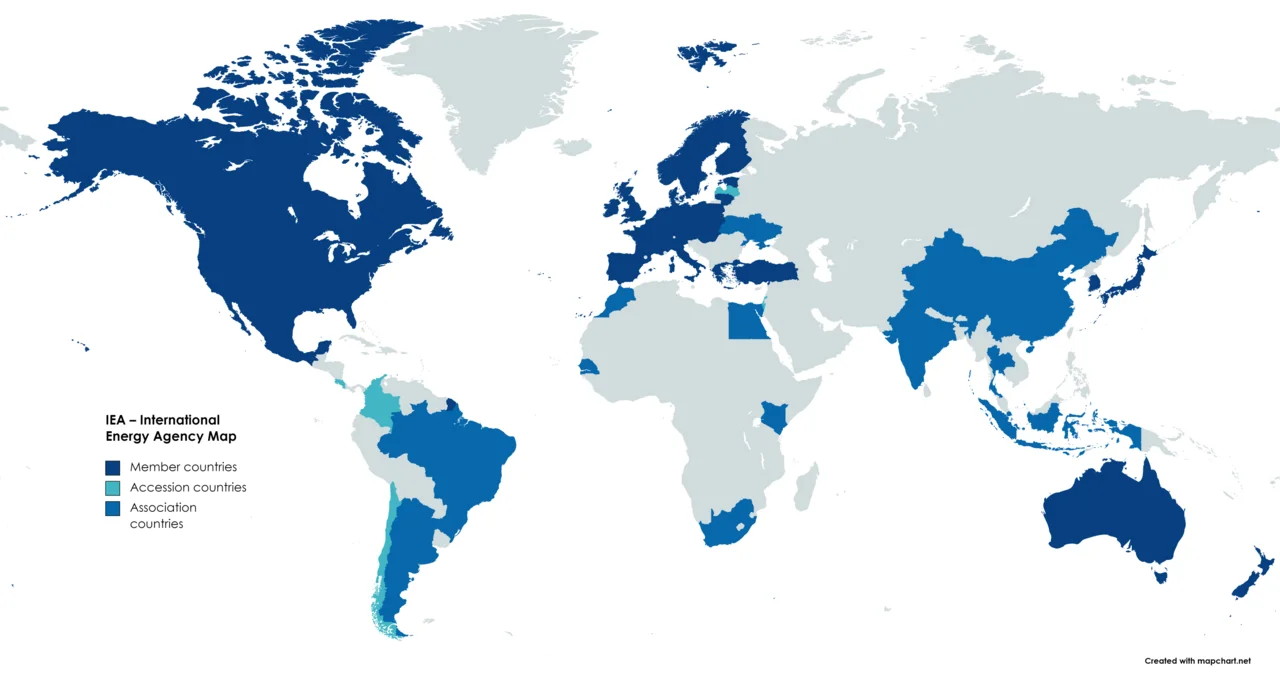
The US decision to sustain fuel exports aligns with its broader strategy to strengthen energy partnerships in the Indo-Pacific region. According to a 2023 report by the International Energy Agency (IEA), the US accounts for 12% of global crude oil exports, with significant volumes directed to Asia. This shift has altered traditional trade routes, reducing dependency on Middle Eastern suppliers but increasing vulnerability to US market fluctuations. For India, which imports over 85% of its oil needs, the policy means higher import costs and limited negotiating power.
Industry analysts note that the US has prioritized domestic energy production under recent administrations, leading to a surplus of fuels like diesel and liquefied natural gas (LNG). While this boosts global availability, it also creates price volatility. In India, this has translated to a 15% year-on-year rise in fuel prices since 2022, according to the Ministry of Petroleum. "The US is a key player, but its policies are not always aligned with the needs of emerging markets," said Dr. Anjali Mehta, an energy economist at the Indian Institute of Technology.
Impact on Indian Consumers and Industries
For everyday Indians, the surge in fuel prices has eroded purchasing power, particularly in urban centers. Delhi, Mumbai, and Kolkata have seen a 20% increase in public transport fares, while households report higher expenses for cooking gas and electricity. Small-scale industries, which rely heavily on diesel-powered machinery, face reduced profit margins. A survey by the Confederation of Indian Industry (CII) found that 68% of manufacturers in Gujarat and Tamil Nadu are considering relocating operations to regions with cheaper energy access.
The agricultural sector is also feeling the strain. Diesel-dependent irrigation systems and farm equipment have become costlier, pushing farmers toward unsustainable practices. In Punjab, where 70% of crops depend on mechanized farming, many have switched to cheaper but less efficient alternatives, risking long-term soil degradation. "We’re trapped between rising costs and falling yields," said Ravi Singh, a farmer from Ludhiana. "The government’s subsidies aren’t enough to cover the gap."
Economic Strain on Indian Households
The ripple effects of higher fuel prices are evident in India’s inflation rate, which hit a 6.5% annual peak in 2023. This has disproportionately affected low-income families, with the National Sample Survey Office (NSSO) reporting that 40% of households now allocate over 30% of their income to energy and transportation. In rural areas, where access to alternatives like solar power is limited, the burden is even steeper.
The government has introduced measures such as fuel subsidies and price caps on essential commodities, but these have proven insufficient. A 2023 audit by the Comptroller and Auditor General (CAG) found that 35% of subsidy funds were misallocated due to bureaucratic delays. "The system is failing the people it’s meant to protect," said activist Priya Deshmukh, who leads a coalition for energy equity in Maharashtra. "We need immediate, transparent solutions."
Community Responses and Government Actions
Local communities have begun organizing to mitigate the crisis. In Bangalore, a cooperative of auto-rickshaw drivers has pooled resources to purchase solar-powered vehicles, reducing dependency on petrol. Similarly, in Kerala, farmers are adopting drip irrigation systems to cut energy use. However, these initiatives remain small-scale, highlighting the need for centralized support.
The Indian government has pledged to diversify its energy sources, investing in renewable projects and negotiating with alternative suppliers like Russia and Iran. While these moves aim to reduce reliance on US exports, they face geopolitical hurdles. "We’re balancing short-term survival with long-term strategy," said Energy Minister Raj Kumar. "Every decision has trade-offs."
What’s Next for India’s Energy Strategy?
Experts warn that without a coordinated approach, India’s energy challenges will persist. The Ministry of Energy is drafting a national energy security plan, which includes expanding solar capacity and boosting domestic oil production. However, these measures require time and significant investment. In the interim, citizens and businesses must navigate a landscape of uncertainty.
As the US continues to shape global energy dynamics, India’s ability to adapt will determine the extent of the impact on its communities. For now, the focus remains on immediate relief and long-term resilience. "The clock is ticking," said Dr. Mehta. "If we don’t act decisively, the cost of inaction will be borne by the most vulnerable."