The Supreme Court of India has issued a landmark ruling in a maternity rights case, stating that women in the workforce often bear the brunt of longer working hours compared to men, particularly during and after pregnancy. The decision, which comes amid growing debates over gender equality in the workplace, has sparked immediate reactions from employers, employees, and advocacy groups across the country. The case, heard by a bench of three justices, centred on a challenge to existing maternity leave policies that critics argue fail to address systemic disparities in workload distribution.
The Ruling and Its Immediate Implications
The court’s verdict highlighted that women frequently take on additional responsibilities at work to compensate for societal expectations, leading to extended hours. This finding emerged from a case involving a software engineer in Bengaluru, who argued that her employer mandated overtime during her maternity leave, violating labor laws. The judges cited data from the National Sample Survey Office (NSSO), which revealed that 62% of working women in India report working more than 40 hours weekly, compared to 54% of men. The ruling mandates employers to audit workload distribution and ensure compliance with the Maternity Benefit Act, 1961.
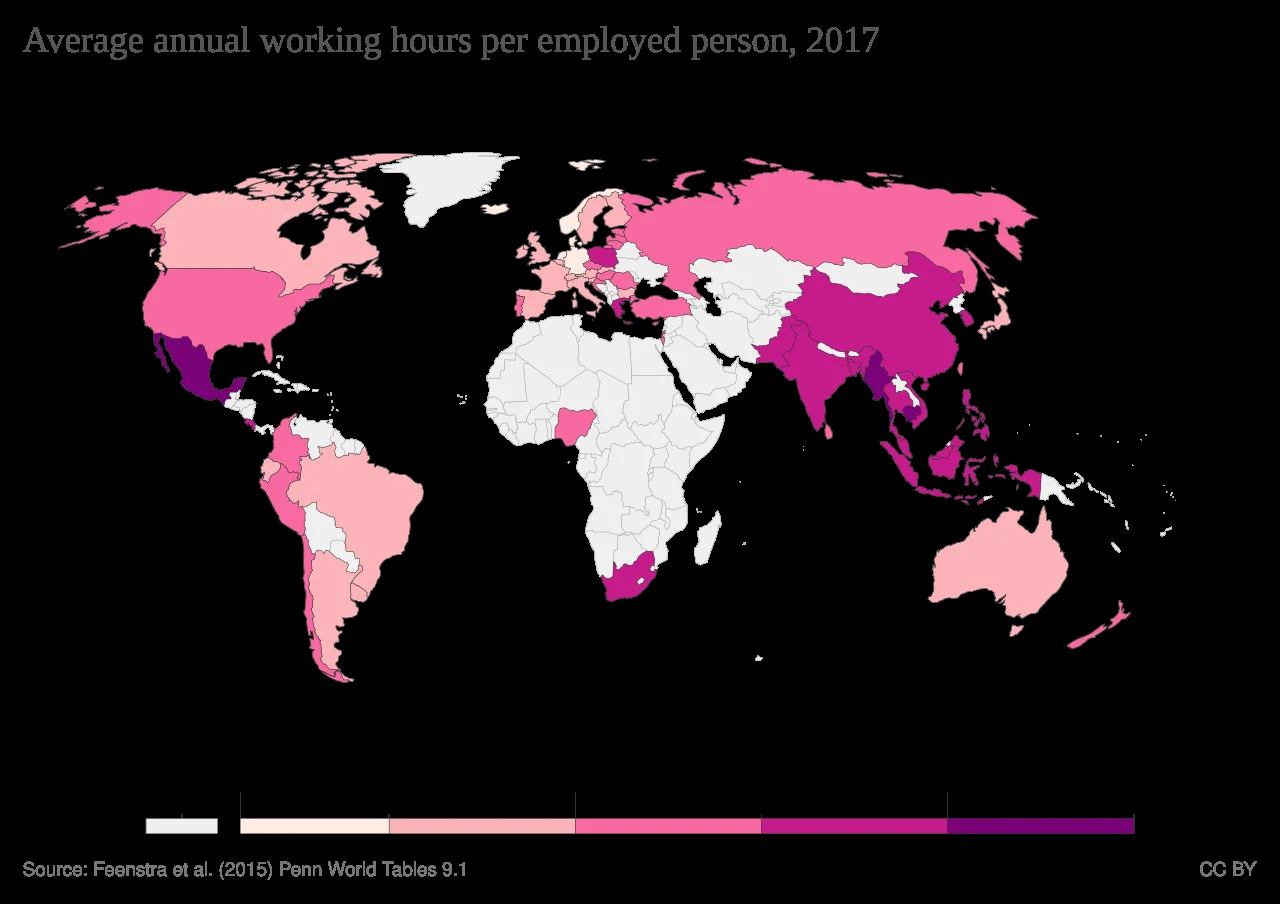
Legal experts say the decision could force companies to re-evaluate their policies. “This isn’t just about leave; it’s about restructuring workloads to prevent burnout,” said Priya Malhotra, a labor law professor at Delhi University. The ruling also directs the Ministry of Labour to draft revised guidelines within six months, a move welcomed by women’s rights organizations but met with skepticism by some business associations.
Economic Impact on Local Businesses
Small and medium enterprises (SMEs) in cities like Ahmedabad and Pune are already feeling the pressure. Ravi Mehta, owner of a textile firm in Gujarat, said the ruling could increase operational costs. “We’ll need to hire more staff or redistribute tasks, which isn’t feasible for us,” he said. However, some entrepreneurs see opportunities. “This is a chance to build a more inclusive workplace,” argued Anjali Sharma, founder of a startup in Hyderabad. She plans to introduce flexible hours and remote work options, which she claims have boosted productivity by 20%.
The National Association of Software and Services Companies (Nasscom) warned that the ruling might deter foreign investment if compliance costs rise. Yet, industry analysts note that 75% of Indian women in tech already work remotely, suggesting adaptability. The government has pledged to offer tax incentives for companies adopting gender-sensitive policies, though the details remain unclear.
Social Reactions and Community Responses
Women in rural and urban areas have expressed mixed reactions. In Jaipur, a group of female farmers shared how the ruling could ease their dual burden of work and family. “We’ve always worked 14-hour days, but now there’s a legal push to recognize this,” said Meera Singh, 38. Conversely, in Kolkata, some male workers voiced concerns about perceived gender bias. “Why should women get special treatment?” asked Rajesh Kumar, a construction worker. Activists counter that the ruling addresses systemic inequities, not privileges.
Community organizations are stepping in to support affected workers. In Chennai, the Tamil Nadu Women’s Collective has launched free workshops on workplace rights, while in Mumbai, a local NGO is lobbying for childcare facilities near industrial zones. These efforts reflect a grassroots push to translate judicial mandates into tangible benefits.
What Comes Next?
The ruling’s success hinges on enforcement. While the Supreme Court has directed state governments to monitor compliance, critics point to weak implementation of previous labor laws. “We need stricter penalties for non-compliance,” said activist Nidhi Sharma. The government has also faced pressure to expand maternity benefits to gig workers, a sector excluded from the 1961 Act. Meanwhile, legal challenges are expected, with some arguing the court overstepped its role. As the debate continues, the focus remains on balancing corporate interests with the rights of millions of women navigating India’s complex labor landscape.