A regional council in New South Wales (NSW) has abandoned its plan to stop flying the Aboriginal flag after community backlash, reaffirming its commitment to recognizing Indigenous heritage. The decision came as residents and local leaders argued that removing the flag would undermine efforts to address racism, with one community member stating, “Removing flags doesn’t stop racism.” The move highlights the ongoing dialogue about cultural representation in public spaces across the region.
Community Reaction to the Reversal
The council’s initial proposal to limit the flag’s display sparked discussions about the significance of Indigenous symbols in daily life. Local Aboriginal groups, including the Wiradjuri and Gamilaraay communities, emphasized that the flag is a vital part of their identity and history. “It’s not just a flag; it’s a statement of belonging,” said a representative from the NSW Aboriginal Land Council. The community’s response underscored the deep connection between cultural symbols and social cohesion in the region.
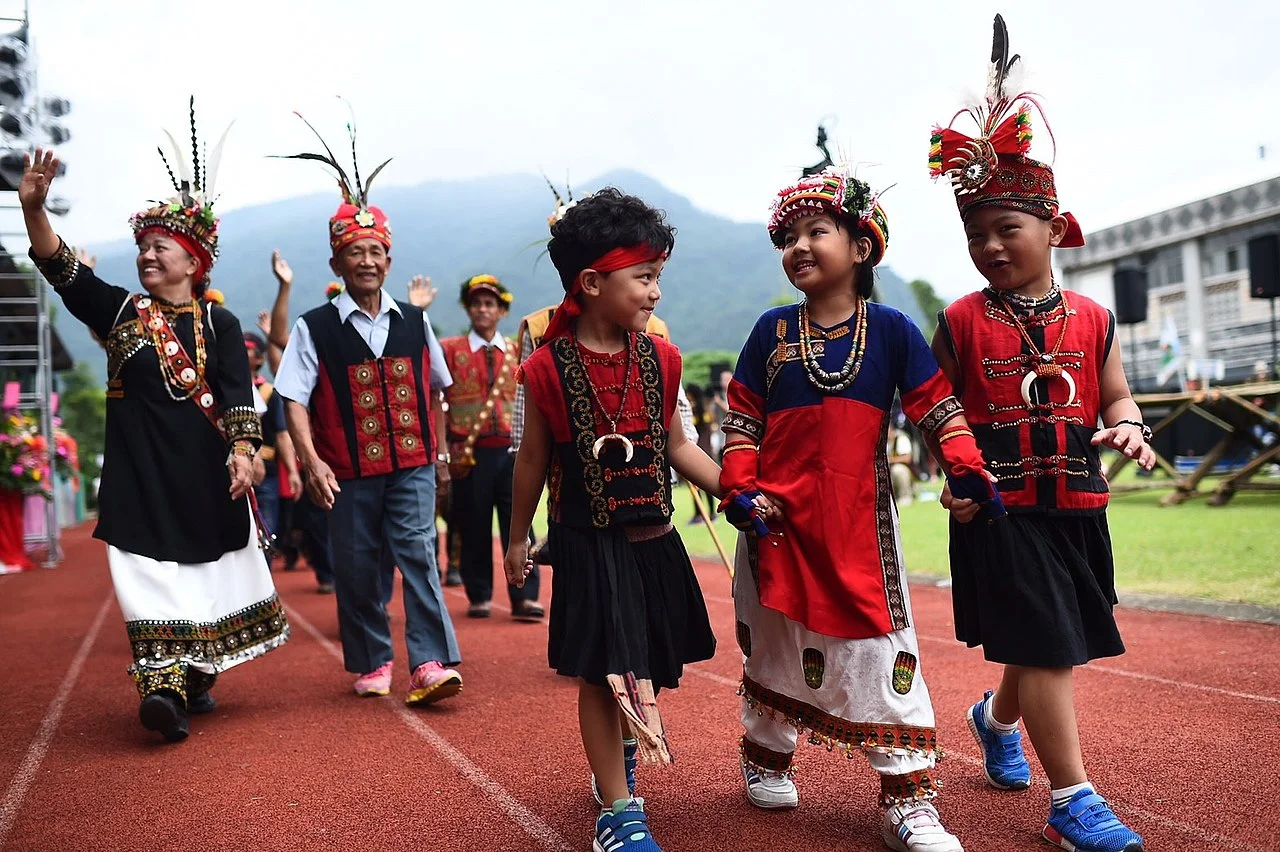
Residents also highlighted the emotional impact of the decision. Schools in the area reported increased student engagement in Indigenous studies following the debate, while local businesses noted a growing interest in Aboriginal art and heritage. “People want to see their history reflected in public spaces,” added a shop owner in Dubbo, a key town in the region. The reversal has been seen as a step toward fostering inclusivity.
Historical Context of Flag Displays
The Aboriginal flag, designed in 1971 by Harold Thomas, has long been a symbol of unity for Indigenous Australians. In NSW, its display in public institutions has faced periodic scrutiny, particularly during debates about colonial legacies. The recent council decision reflects a broader national trend of reevaluating how Indigenous heritage is represented. “This isn’t just about a flag; it’s about acknowledging the past and shaping the future,” said an Indigenous historian based in Sydney.
Local councils across the state have increasingly adopted policies to celebrate Indigenous culture, including funding for cultural centers and partnerships with Aboriginal organizations. The Dubbo council’s reversal aligns with these efforts, reinforcing the role of public institutions in preserving heritage. “It’s a reminder that progress often comes from community voices,” the historian added.
Impact on Local Economy and Social Life
The debate over the flag has had tangible effects on the local economy. Tour operators in the region reported a surge in visitors interested in Indigenous history, with some businesses reporting a 20% increase in bookings. Cultural festivals, which often feature Aboriginal art and storytelling, have also seen higher attendance. “The flag’s presence draws people in and supports local tourism,” said a festival organizer.
Socially, the discussion has sparked renewed interest in Indigenous issues among younger generations. Schools in the area have incorporated more lessons on Aboriginal history, and community groups have launched initiatives to promote cultural awareness. “It’s about creating a shared understanding,” a teacher noted. The council’s decision has been credited with strengthening these efforts.
Future Steps and Broader Implications
With the flag’s display now secured, the council plans to review its cultural policies to ensure broader representation of Indigenous voices. This includes consultations with local Aboriginal leaders and updates to public signage. “We want to reflect the diversity of our community,” a council spokesperson said. The outcome of these discussions could set a precedent for other regional councils.
The incident also underscores the importance of grassroots advocacy in shaping policy. As Indigenous leaders continue to highlight the need for recognition, the debate over symbols like the Aboriginal flag remains a focal point. “This is part of a larger conversation about respect and representation,” the spokesperson concluded. For residents, the decision is a testament to the power of community action in preserving cultural heritage.