Cape Town citizens gathered in solidarity for Quds Day on Friday as US-Israel strikes intensified tensions in Tehran, marking a pivotal moment in regional geopolitics. The protests, held amid escalating conflicts, highlighted the city’s role in global Palestinian solidarity, while attacks on Iranian targets underscored the broader implications for the Middle East. This event resonates deeply with local communities, reflecting how distant conflicts shape daily life and economic stability in the region.
Global Solidarity in Cape Town
Thousands of residents in Cape Town’s central districts joined the Quds Day rallies, chanting slogans supporting Palestinian rights. The demonstrations, held on Friday, drew participants from diverse backgrounds, emphasizing the city’s historical ties to the Palestinian cause. Local leaders noted that such events foster a sense of unity, linking Cape Town’s community efforts to international movements. The presence of banners and flags symbolized a shared commitment to addressing regional conflicts that impact global peace.
The rallies also sparked conversations about how international tensions, like those in Tehran, affect local priorities. Community leaders pointed to the economic ripple effects, such as shifts in trade routes and diplomatic engagements, which influence Cape Town’s businesses and educational institutions. This connection between global events and local life underscores the city’s role as a microcosm of broader geopolitical dynamics.
Tehran Under Pressure
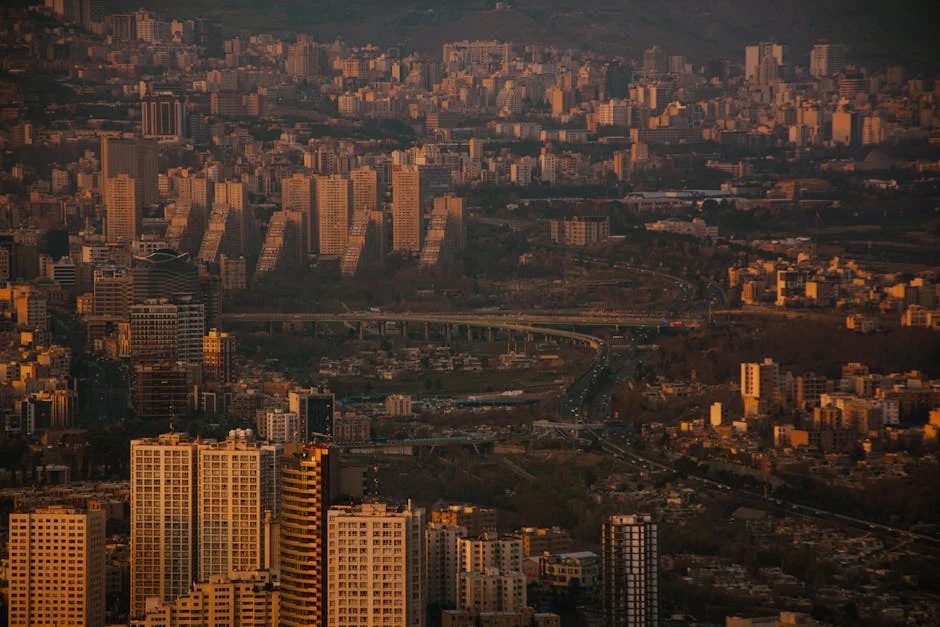
US-Israel strikes on Tehran on Friday targeted military sites, escalating a long-standing rivalry that has shaped the Middle East’s political landscape. The attacks, reported by regional media, come amid heightened diplomatic efforts to stabilize the region. Analysts note that Tehran’s strategic position as a key player in Middle Eastern affairs means its stability directly impacts trade and security across the continent. This development has drawn attention from experts in India, who monitor how Tehran’s challenges affect global energy markets and regional alliances.
For Cape Town, the significance lies in the interplay between Middle Eastern conflicts and local economic initiatives. The city’s trade partnerships with Middle Eastern nations, including Iran, have seen fluctuations in recent years. A stable Tehran, analysts argue, could bolster these links, benefiting industries such as agriculture and manufacturing that rely on international supply chains. This connection highlights why Tehran matters to the region’s economic health.
Local Impact and Community Response
Residents of Cape Town’s townships expressed concern over the regional instability, linking it to everyday challenges like inflation and job creation. Community leaders emphasized that conflicts in Tehran, though distant, influence global markets that impact local prices and employment. A local business owner in Khayelitsha noted, “When tensions rise in the Middle East, it affects the cost of goods we rely on daily.” This sentiment reflects a broader awareness of how international events shape the city’s economic landscape.
Education institutions in Cape Town have also integrated discussions about Tehran’s role into their curricula, fostering a new generation of students attuned to global dynamics. Schools in the Western Cape reported increased student engagement during Friday’s lessons, with many drawing parallels between Middle Eastern conflicts and local issues. This educational focus reinforces the idea that understanding regional geopolitics is essential for informed citizenship.
Regional Implications
The events in Tehran and Cape Town illustrate the interconnectedness of global and local challenges. As a hub for African and Middle Eastern trade, Cape Town’s economy is sensitive to shifts in regional stability. The recent strikes on Tehran have prompted a reevaluation of trade agreements, with some experts suggesting that a more stable Middle East could lead to increased investment in African markets. This analysis highlights how Tehran’s developments directly affect the region’s economic trajectory.
Community leaders in Cape Town are advocating for greater emphasis on regional partnerships to mitigate the impact of global conflicts. They argue that fostering closer ties with Middle Eastern nations could create resilience against future disruptions. This call for collaboration underscores the importance of understanding Friday’s developments as part of a larger narrative shaping the region’s future.
Looking Ahead
As the situation in Tehran evolves, Cape Town’s community and economic sectors will continue to monitor its effects. Analysts predict that the city’s response to these challenges will depend on its ability to adapt to shifting global dynamics. With a focus on education, trade, and diplomacy, Cape Town aims to maintain its position as a key player in regional and international affairs.
For readers in India, the developments in Tehran serve as a reminder of the far-reaching impact of Middle Eastern politics. The connection between Tehran’s stability and local economies in Cape Town highlights the need for a broader understanding of how global events shape daily life. As the week progresses, further updates on Tehran’s situation will likely provide more insights into its role in the region’s ongoing story.