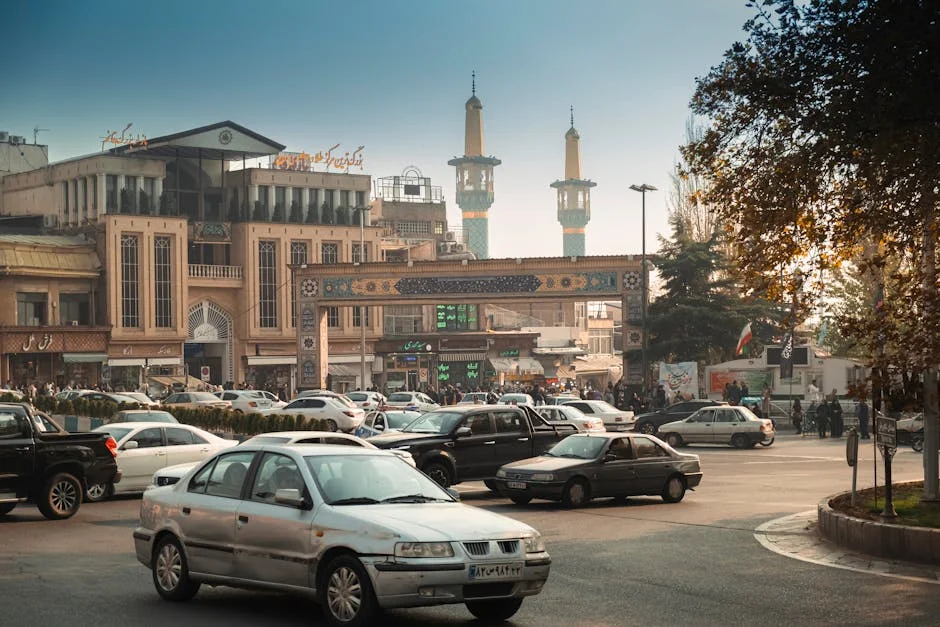
The ongoing conflict in the Middle East has placed the region's vital water resources at significant risk, potentially affecting millions of citizens and altering the daily lives of communities across the area.
Rising Tensions Affect Water Security
The Middle East, home to some of the world's oldest civilizations, is now facing new challenges as a result of its geopolitical conflicts. These tensions not only impact the political landscape but also threaten the availability and accessibility of water, a crucial resource for the region’s inhabitants.
According to recent reports, the ongoing war has led to disruptions in water supply systems, affecting both rural and urban areas. This includes damage to infrastructure such as dams, reservoirs, and pipelines, which are essential for delivering water to homes and businesses.
Water Scarcity Becomes More Acute
The Middle East is already known for its arid climate and limited freshwater resources. The additional strain caused by the war exacerbates an already precarious situation, making water scarcity even more acute for many communities.
In countries like Syria and Iraq, where the conflict has been particularly intense, residents have reported difficulties accessing clean drinking water. This has led to increased health risks and economic hardship, as families spend more money on purchasing bottled water or alternative sources.
Impact on Daily Life and Economy
The effects of the water crisis extend beyond just basic needs, impacting the broader daily lives and economies of the affected regions. In cities like Damascus and Baghdad, the disruption to water supply has caused significant inconvenience and frustration among residents, who rely on regular access to water for hygiene, cooking, and sanitation.
Furthermore, the agricultural sector, which is a major contributor to the local economy, has suffered due to reduced water availability. Farmers report lower crop yields and financial losses, which can ripple through the entire food production chain and affect the prices of staple foods in local markets.
Community Response and Resilience
Faced with these challenges, Middle Eastern communities have shown remarkable resilience and adaptability. Many have turned to traditional water management practices and have implemented innovative solutions to address their immediate needs.
In some areas, local governments and non-governmental organisations have worked together to provide temporary water sources and repair damaged infrastructure. Additionally, there has been a rise in community-led initiatives to conserve water and share resources more effectively.
Looking Ahead
The long-term impact of the water crisis will depend on how quickly and effectively the region can address the infrastructure damage and manage its water resources. Continued support from international aid and cooperation between neighbouring countries will be crucial in ensuring that the people of the Middle East can maintain access to safe and sufficient water.
As the war continues, the importance of securing water supplies remains a top priority for both local authorities and international observers. Ensuring a stable water supply is not only essential for the health and well-being of the population but also for the economic stability and future prosperity of the region.