Nigerian households braced themselves for extended power cuts as gas supplies to the country's electricity grid dropped significantly, according to reports from the Daily Trust.
Daily Life Disrupted by Shortages
The reduction in natural gas supply is causing widespread disruption to Nigerians’ daily routines. With fewer resources available to generate electricity, many families find themselves relying more heavily on alternative sources such as generators. This shift means increased costs for fuel and maintenance, putting additional financial strain on already tight household budgets.
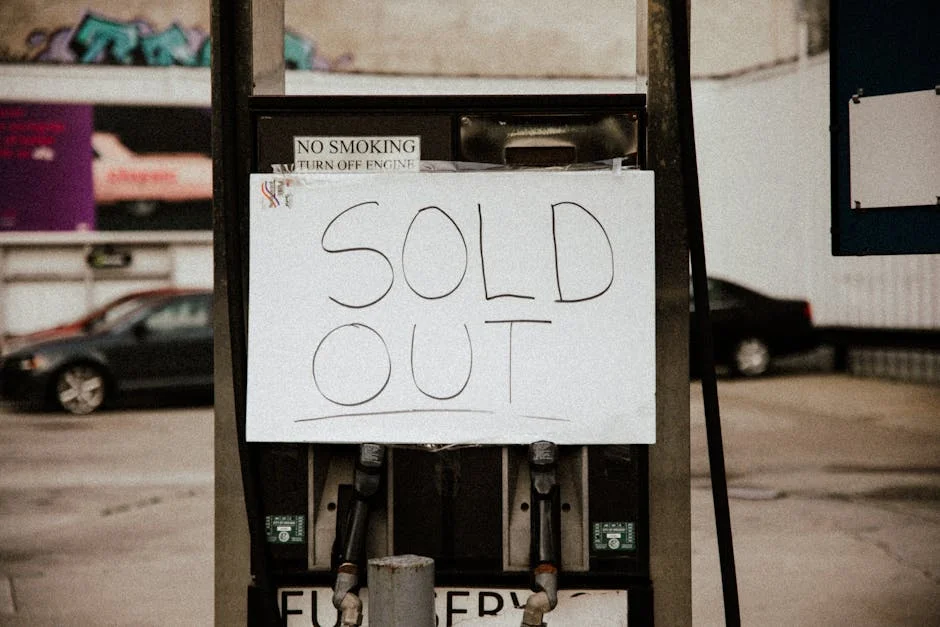
In urban areas like Lagos and Abuja, where large populations depend on regular power supply for work and commerce, the impact is particularly noticeable. Businesses have reported delays in operations and reduced productivity due to frequent blackouts. Schools and healthcare facilities also face challenges, with some resorting to backup systems to ensure continuity of services.
Economic Impact on Local Markets
The shortage of natural gas has affected not just individual homes but also the broader local economy. Manufacturers and industrial sectors that rely on steady power supply for production processes have seen their operations disrupted. This slowdown in manufacturing activity could lead to job losses and decreased output, further impacting the local market.
Small traders and vendors who operate primarily during daytime hours have noticed a drop in footfall, as shoppers prefer to stay indoors where there is better lighting and cooler temperatures provided by air conditioning. The reduced economic activity could have long-term effects on local businesses if the situation persists.
Social Impacts on Community Life
The shortage of gas has had notable social impacts on Nigerian communities. In neighbourhoods without access to reliable electricity, residents often gather in communal spaces equipped with generators to watch movies or listen to music. These shared experiences help to strengthen bonds within the community despite the challenges they face.
However, the reliance on generators also brings its own set of problems. Noise pollution from running engines can be disruptive, especially at night when people are trying to sleep. Additionally, the risk of accidents increases as more people handle fuel and generator equipment.
Community Responses and Adaptations
Faced with the ongoing power crisis, Nigerian communities have shown resilience and creativity in adapting to the new conditions. Many households now keep extra batteries and candles on hand, ensuring they have light even when the main power source fails. Others have invested in solar panels and other renewable energy solutions to provide a more stable power supply.
Local governments and non-governmental organisations have stepped up to support affected communities. They have organised distribution of essential items like food and water, and provided temporary shelter for those displaced by extreme weather events exacerbated by the lack of proper heating and cooling.
Looking Ahead: What’s Next?
As Nigeria continues to grapple with the shortage of natural gas, experts predict that the situation may worsen before it improves. However, there is hope that increased investment in renewable energy sources and infrastructure upgrades will help to alleviate the problem over time. For now, Nigerians remain resourceful and determined, finding ways to thrive despite the challenges posed by the power crisis.