Namibia’s ambitious plans to expand its green energy sector could have a significant impact on the local penguin population, raising concerns among conservationists and prompting calls for careful planning to protect the unique coastal ecosystem.
Namibia Aims High with Renewable Energy Goals
Namibia has set an ambitious target to generate 70% of its electricity from renewable sources by 2030. This goal is part of the country’s broader strategy to reduce carbon emissions and become a leader in green technology across southern Africa. The plan includes the construction of several large-scale solar and wind farms along the coast, which will help the nation tap into its abundant natural resources.
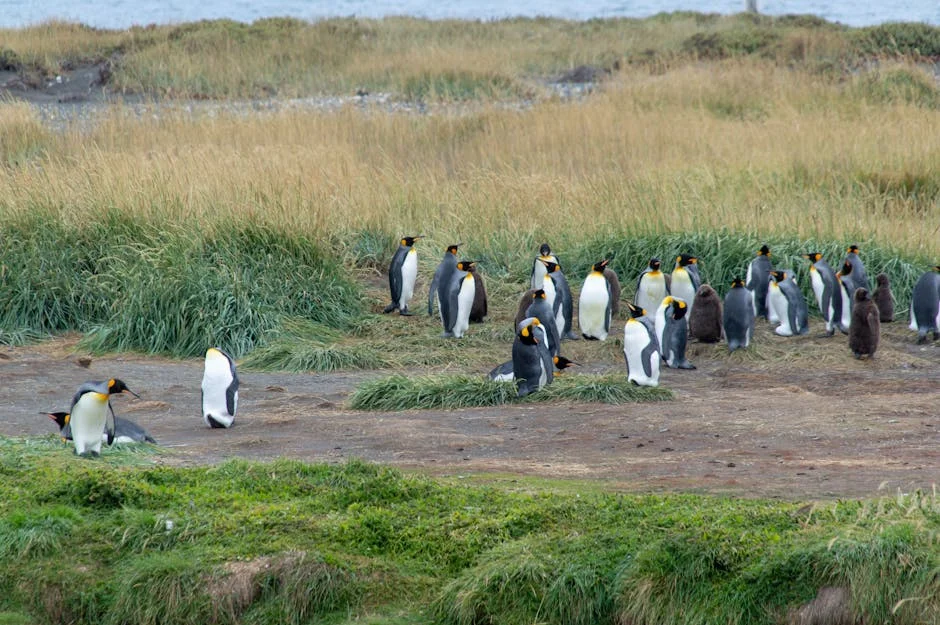
The coastal regions, particularly around Walvis Bay and Lüderitz, are rich in sunshine and wind, making them ideal locations for these new installations. However, this development also brings challenges, especially for the local wildlife, such as the African penguins that call these areas home.
Penguins at Risk Due to Development
The expansion of green energy infrastructure poses a threat to the penguins’ nesting and feeding grounds. Conservationists warn that construction activities and increased human traffic could disturb the penguins, potentially leading to a decline in their already vulnerable populations. The penguins are known to nest in burrows near the shore, and any disruption to these habitats could have long-lasting effects on the species.
In addition to the immediate physical impact, there are concerns about potential pollution from the construction process, such as runoff from building sites and noise pollution from machinery, which can interfere with the penguins’ ability to communicate and navigate.
Community Response and Conservation Efforts
The local community, including residents and tourists, has shown strong support for protecting the penguins. Many people enjoy visiting the beaches to see the penguins up close and take part in eco-tourism activities. These visits contribute significantly to the local economy, generating income for businesses such as hotels, restaurants, and tour operators.
To address these concerns, the Namibian government and conservation groups are working together to implement measures that balance the needs of both humans and wildlife. This includes designating protected areas where penguins can nest without disturbance and ensuring that construction takes place during times when the penguins are less active.
Economic Impact and Future Prospects
The growth of the green energy sector is expected to bring numerous economic benefits to Namibia, including job creation, technological advancements, and increased foreign investment. For example, the construction of new solar and wind farms will require skilled workers, providing employment opportunities for locals. Additionally, the development of green technologies may inspire innovation in related industries, such as manufacturing and research and development.
However, the success of these projects hinges on careful planning and management to mitigate environmental impacts. By safeguarding the penguins and their habitats, Namibia can maintain its status as a prime destination for nature lovers and eco-tourists, ensuring that the local economy continues to thrive alongside the green energy sector.
Looking Ahead
The future of Namibia’s green energy ambitions is closely tied to the health of its coastal ecosystems. As the country moves forward with its plans, continued monitoring and adaptive management will be crucial to ensure that the penguins and other wildlife can coexist with the new energy infrastructure. By striking a balance between progress and protection, Namibia can set an example for sustainable development in the region and beyond.