Khamenei's Aide Reveals Why Supreme Leader Didn’t Seek Shelter - Explaining Impact on Iran’s Citizens
Khamenei's Decision Not To Go Into Bunker Surprises Iranians
The recent decision by Ayatollah Ali Khamenei, Iran’s Supreme Leader, not to seek shelter in a bunker during a period of heightened tensions has raised eyebrows among the Iranian public. This unusual choice was explained by his close aide, who shed light on the reasons behind Khamenei's actions.
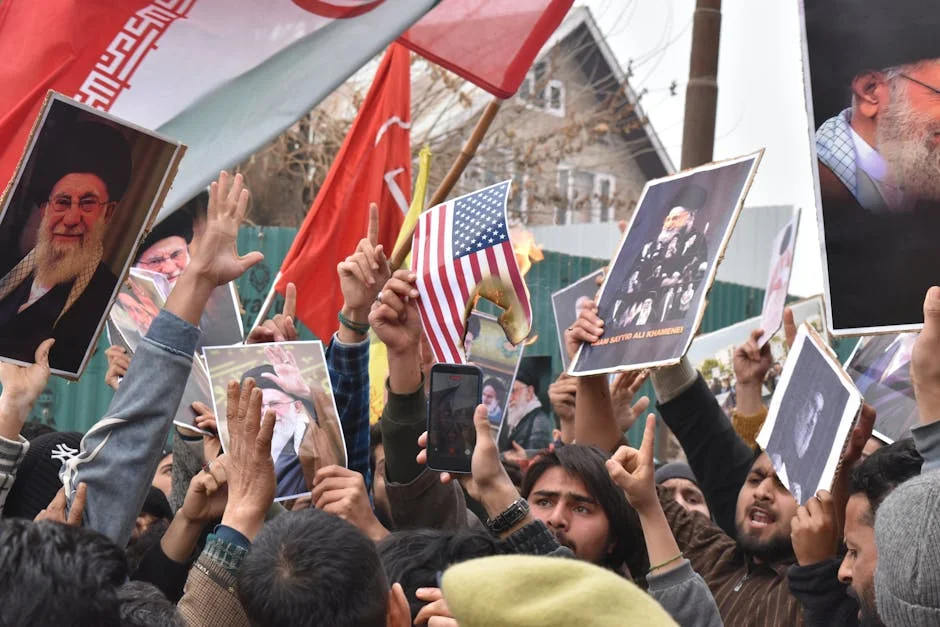
The aide noted that Khamenei felt confident in the country’s security measures and believed there was no immediate threat that required him to take such precautions. This revelation has sparked discussions about the state of national security and the confidence of the leadership in Iran.
Influence on Daily Life and Public Perception
The decision not to go into a bunker has had a noticeable effect on the daily lives of Iranian citizens. It has boosted public morale, as many Iranians feel reassured knowing that their leader is not taking extra safety measures. This sense of normalcy can help ease concerns about potential threats and instability.
Moreover, the public perception of Khamenei as a figure who trusts the system he leads has been reinforced. This trust is crucial for maintaining the stability and unity of the nation, especially during times of external pressure or internal challenges.
Economic Impact and Community Response
The economic situation in Iran has been a point of concern for some time, with sanctions and fluctuations in oil prices affecting the local economy. Khamenei's decision to remain in his usual residence rather than seeking refuge in a bunker sends a positive signal to the business community and investors, potentially stabilising financial markets and encouraging more economic activity.
Communities across Iran have responded with a mix of pride and curiosity. Many feel proud of their leader’s confidence, while others are eager to learn more about the security arrangements that allowed Khamenei to stay put.
Social Impact and Cultural Significance
The cultural significance of Khamenei’s decision cannot be understated. In Iranian culture, the Supreme Leader holds a revered position, and his actions are closely watched and interpreted. By choosing not to go into a bunker, Khamenei demonstrated a level of comfort and trust in the current conditions, which resonates deeply with the population.
This move also highlights the interconnectedness of political and social life in Iran, where the actions of the leaders often influence the mood and outlook of the entire nation.
Looking Ahead and What to Watch For
As Iran continues to navigate its geopolitical landscape, the public will be watching closely for any further developments related to national security and leadership decisions. The next steps could include additional measures to strengthen the economy, improve international relations, or address internal challenges.
The response from citizens and communities will be crucial in shaping the overall narrative and perception of Khamenei’s leadership, and may influence future policy directions in Iran.