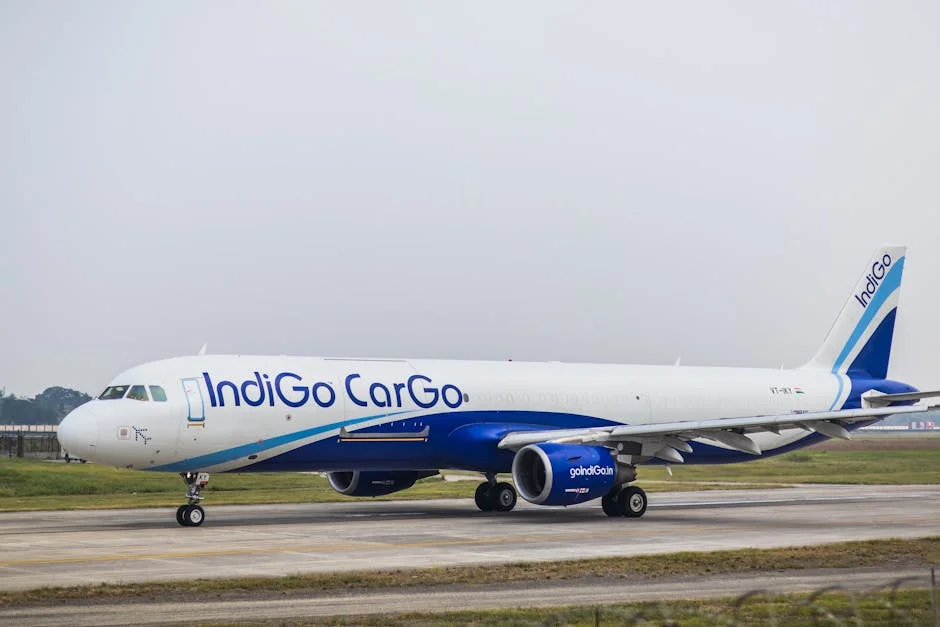
Iran allows India-bound vessels to navigate through the Strait of Hormuz following China's recent actions, easing tensions in a key maritime chokepoint.
China's Strategic Move
Recent developments in the Persian Gulf have seen China take a significant step by sending its naval fleet through the Strait of Hormuz, a narrow waterway that connects the Arabian Sea to the Gulf. This strategic move by China has been widely interpreted as an assertion of its growing influence in the Middle East. The Chinese fleet's passage through the strait was met with cautious optimism from Indian officials, who see it as a potential opportunity for their country to enhance trade links with the region.

India's Diplomatic Efforts
The Indian Foreign Minister, S. Jaishankar, has been closely monitoring the situation in the Strait of Hormuz. His efforts to maintain strong ties with both China and Iran have been pivotal in ensuring that India's interests in the region are safeguarded. With China's recent actions, Jaishankar has found an opening to strengthen India’s position in the Gulf, particularly in terms of securing vital energy supplies and enhancing trade routes.
Iranian Response
In response to China's move, Iran allowed several India-bound vessels to pass through the Strait of Hormuz. This decision is seen as a diplomatic victory for Jaishankar, who had been advocating for smoother navigation through the strait for Indian ships. It also marks a significant shift in Iran’s approach to the strait, which had previously been more restrictive due to regional tensions and geopolitical considerations.
Economic Impact on Local Communities
The easing of restrictions in the Strait of Hormuz has a direct impact on the daily lives of people in the region, particularly those living in coastal areas. Local fishermen and traders benefit from increased maritime traffic, as it brings more business opportunities and boosts the local economy. Additionally, the smoother flow of goods and services through the strait supports the overall economic stability of the region, contributing to a better quality of life for residents.
Regional Trade and Commerce
The Strait of Hormuz is crucial for global trade, especially for oil-rich countries in the region. With Iran allowing India-bound vessels to pass freely, it signals a positive development for regional trade and commerce. This not only benefits India but also other nations in the Gulf Cooperation Council (GCC) that rely on the strait for their economic activities. The increased traffic could lead to more robust trade partnerships and potentially new investment opportunities in the area.
Diplomatic Relations and Future Prospects
The current scenario in the Strait of Hormuz highlights the complex interplay between China, India, and Iran. As these nations continue to engage diplomatically and economically, there is potential for further cooperation and mutual benefits. For India, maintaining strong relationships with both China and Iran is crucial for its long-term strategic goals. Meanwhile, Iran's willingness to accommodate India-bound vessels demonstrates its flexibility in navigating regional dynamics, which could set the stage for more favourable conditions in the future.