New data from Guarda Nacional Republicana reveals an alarming rise in electric scooter accidents across Portugal, prompting urgent calls for enhanced safety measures.
Rising Accident Rates Raise Alarm Bells
According to the latest statistics released by the Guarda Nacional Republicana (GNR), Portugal has witnessed a significant increase in accidents involving electric scooters. In the past year alone, the number of incidents has surged by over 30%, leading to growing concerns among local communities about the safety of this popular mode of transport.
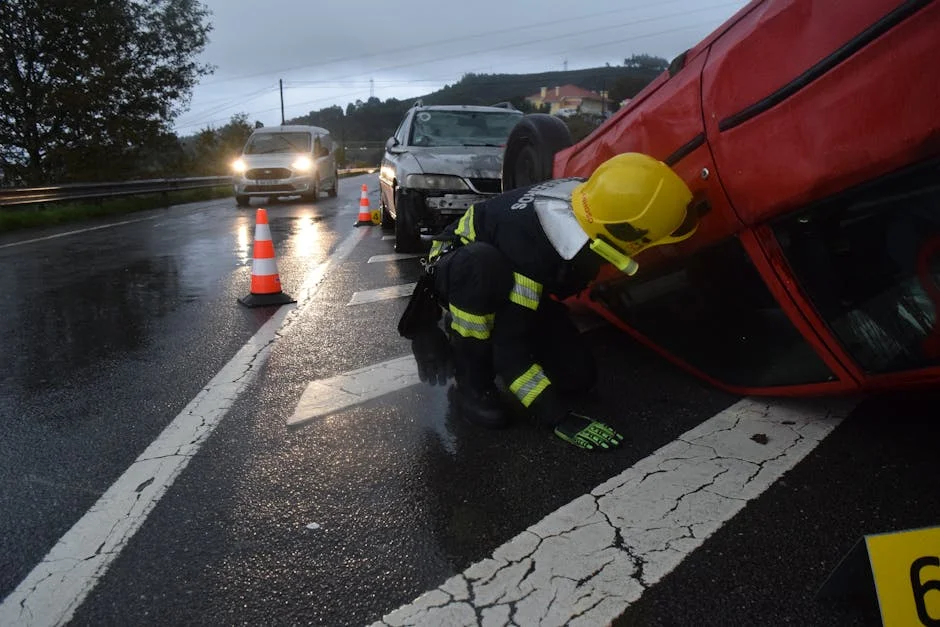
These figures highlight a troubling trend as more citizens opt for electric scooters, viewing them as a convenient alternative to traditional transportation. However, the lack of proper regulations and infrastructure for their safe use has resulted in an alarming number of accidents, raising questions about the responsibility of local authorities.
Impact on Daily Life and Local Communities
The rise in electric scooter accidents directly affects the daily lives of residents in urban areas, where these vehicles are becoming increasingly common. Communities are now grappling with the consequences, including injuries to pedestrians and riders alike, and the subsequent strain on local healthcare services.
In many neighbourhoods, the influx of scooters has created a sense of unease among citizens. Reports of near-misses and accidents are causing residents to reconsider their daily routines, particularly in busy pedestrian zones where scooters share space with foot traffic.
Economic Implications for Local Businesses
The uptick in accidents is not only a public safety concern but also poses economic challenges for local businesses. Shops and cafes situated in high-traffic areas are reporting a decline in foot traffic due to fears of accidents, which could lead to decreased revenue.
Furthermore, the potential for increased insurance costs for businesses and individuals involved in accidents may lead to a ripple effect throughout the local economy. As safety concerns mount, businesses may need to invest in additional safety measures or even contribute to community safety initiatives to regain customer trust.
Community Responses and Initiatives
In response to these alarming statistics, several community groups and local councils are advocating for stronger regulations concerning electric scooter use. Initiatives such as awareness campaigns promoting safe riding practices and stricter enforcement of existing traffic laws are being proposed to mitigate the risks associated with electric scooters.
Additionally, some municipalities are exploring the implementation of dedicated scooter lanes and improved signage to enhance safety for all road users. Community forums are being organised to discuss potential solutions, with citizens actively participating in shaping the future of electric scooter use in their neighbourhoods.
Looking Ahead: The Future of Electric Scooters in Portugal
The surge in electric scooter usage in Portugal reflects a broader trend towards sustainable urban mobility. However, as the GNR's data suggests, without adequate safety measures and community engagement, the benefits of this trend could be overshadowed by the associated risks.
As Portugal navigates this evolving landscape, it will be crucial for local authorities to prioritise safety and infrastructure development to ensure that electric scooters can be a viable and safe transportation option for all citizens. The ongoing dialogue between community members and local governments will play a pivotal role in shaping the future of urban mobility in the region.